What SIAVS 2026 Revealed About Poultry Farm Automation in South America
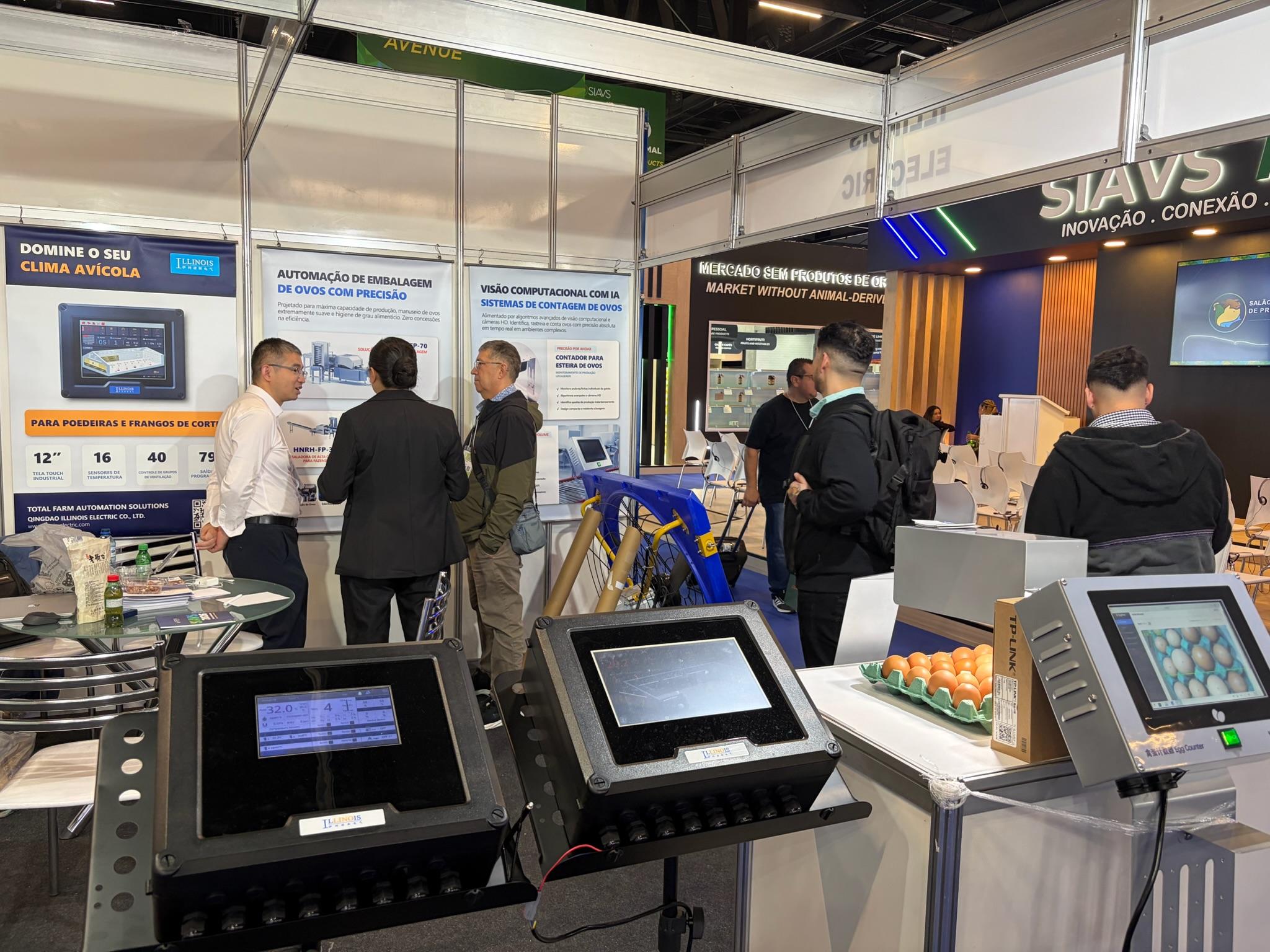
SIAVS 2026, a major event for Brazil's animal protein industry, was held from August 4 to 6, 2026, at Distrito Anhembi in São Paulo. At the event, our team met poultry farm owners, equipment distributors, system integrators and agricultural project contractors from Brazil and other Latin American markets.
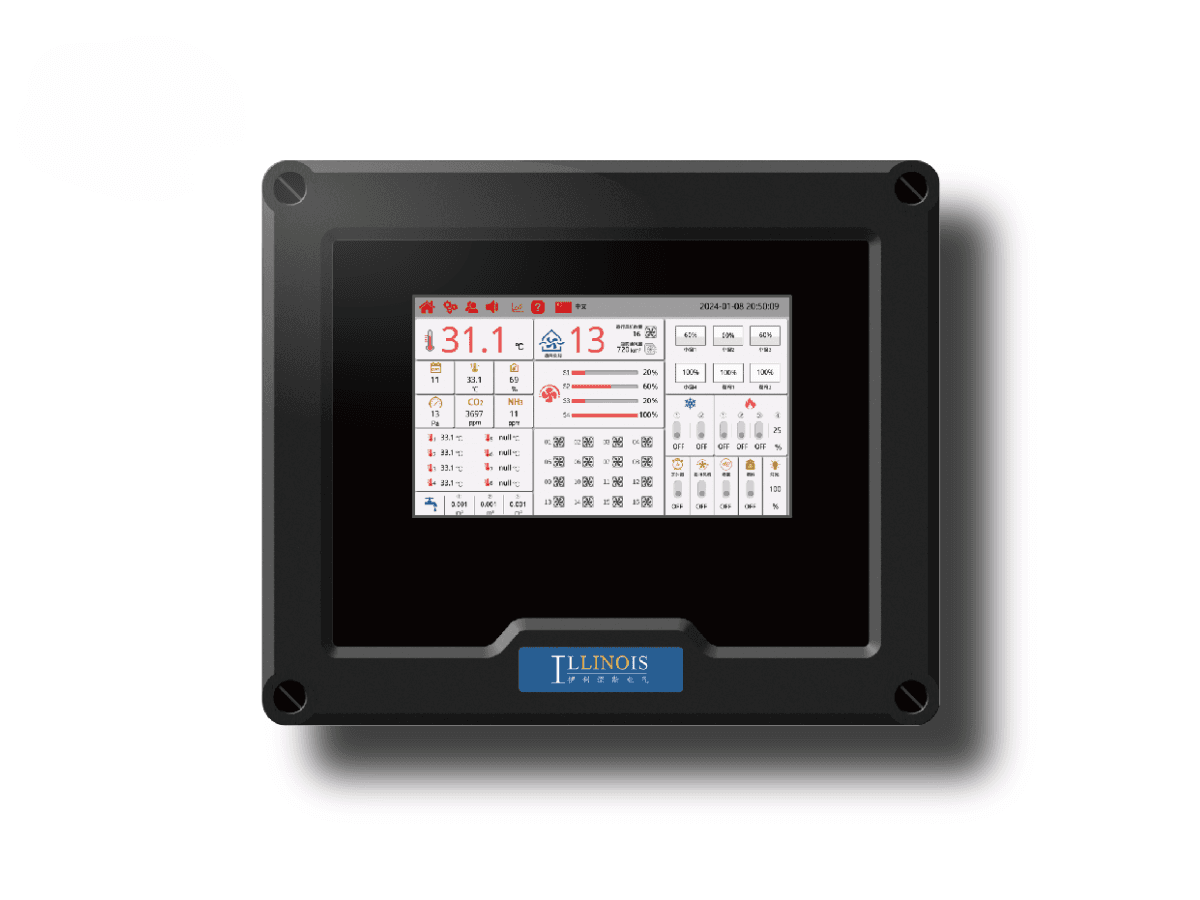
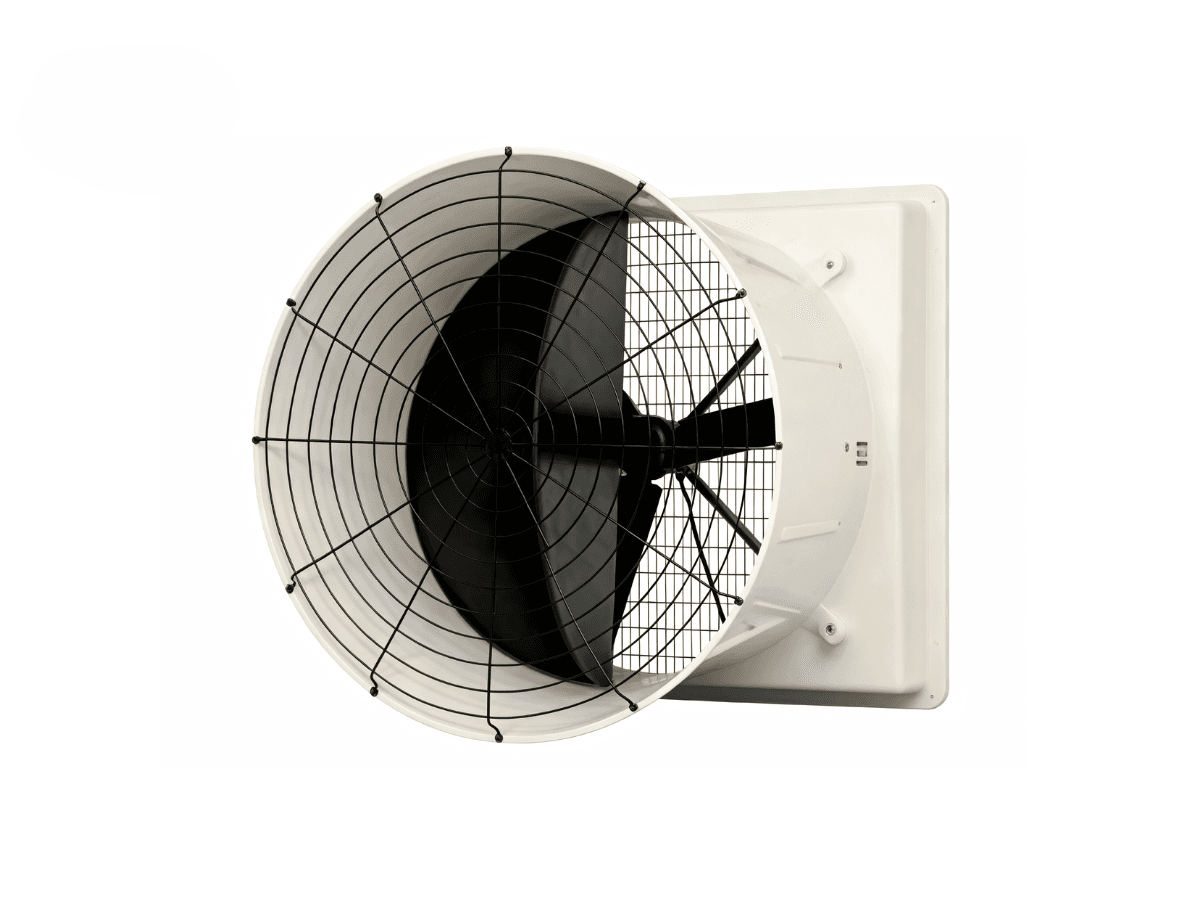
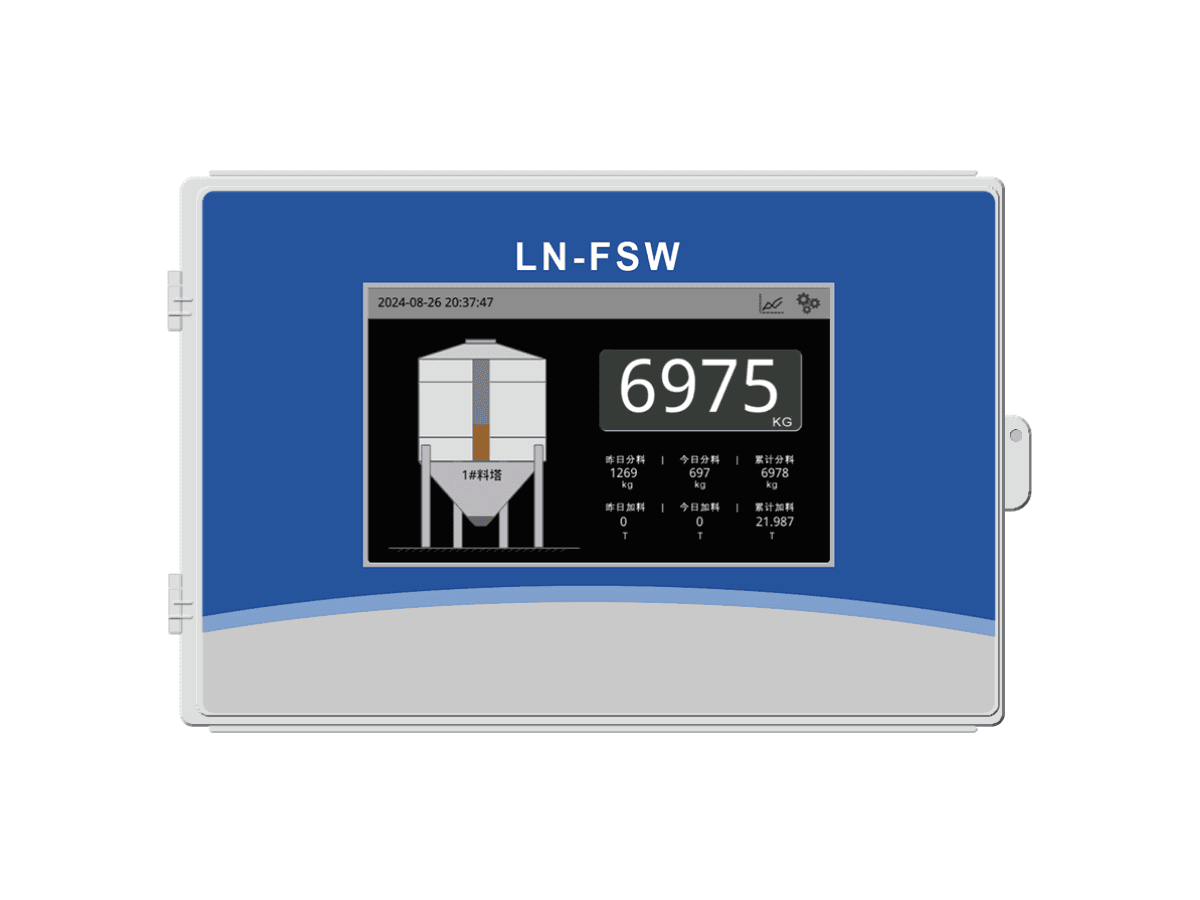
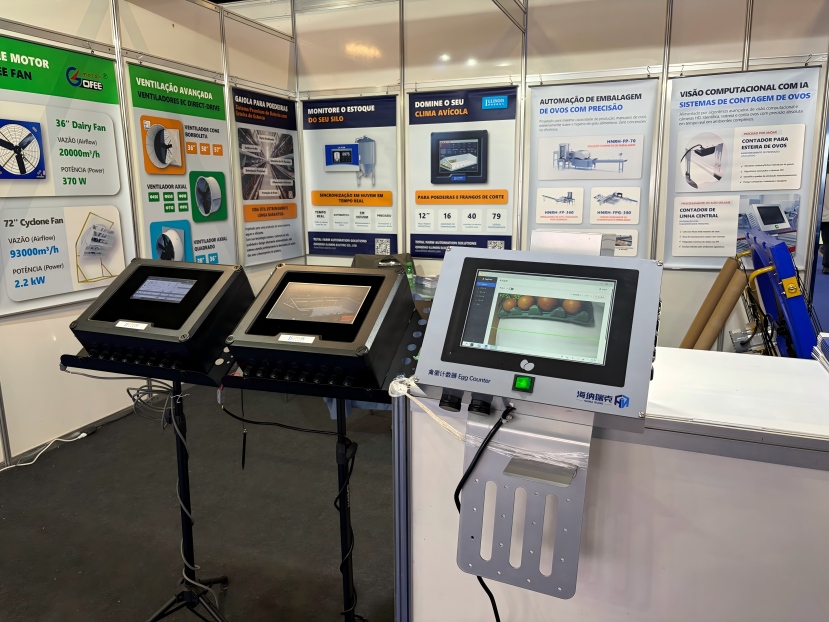
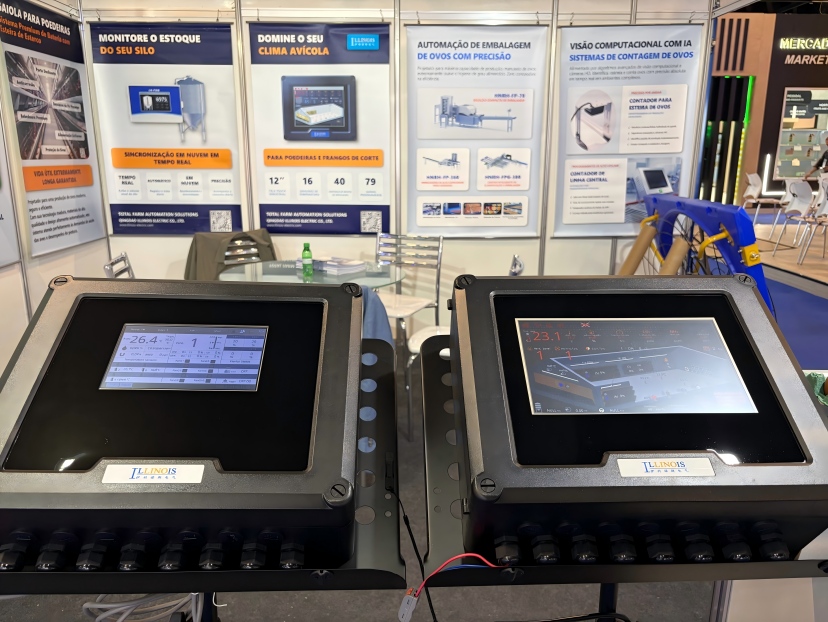
This time, we did not rely only on brochures or product catalogues. We brought working poultry equipment directly to the exhibition floor, including environmental controllers, several EC ventilation fan models, HNRK-EC visual egg counters, feed-silo monitoring equipment and other farm automation components.
Visitors could operate the touchscreens, examine the equipment interfaces and discuss how each system could be adapted to an existing poultry house.
The event provided something that online communication cannot fully replace: direct access to the operational problems faced by local poultry farms.
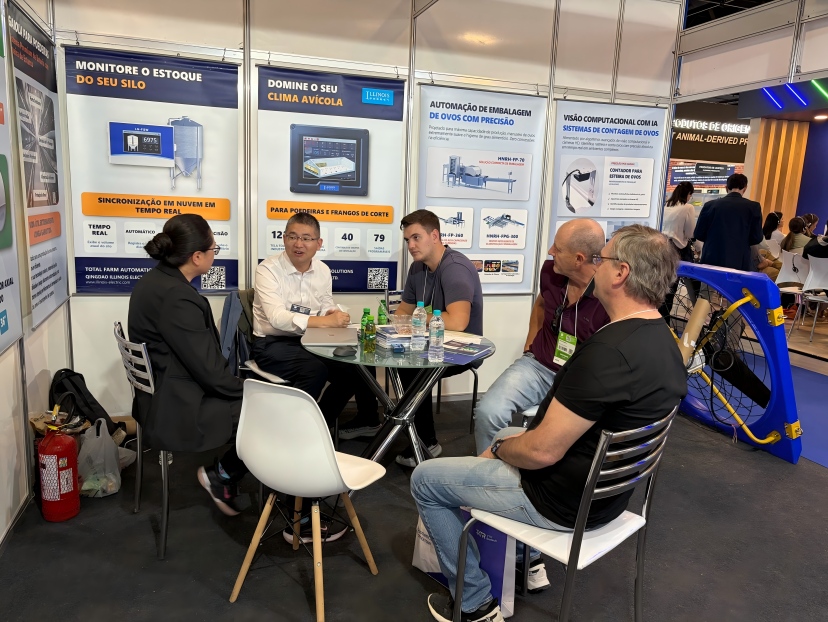
During conversations at our booth in Hall H4, customers repeatedly raised concerns about ventilation energy consumption, unstable farm power supplies, dust resistance, manual egg counting, spare-parts availability, equipment localization and overseas technical support.
These discussions revealed a clear direction for poultry farm automation in South America. Buyers are not simply searching for more equipment. They are looking for systems that can reduce operating costs, improve production data, withstand demanding farm environments and remain serviceable after installation.
SIAVS 2026 Focused on Practical Livestock Production Challenges
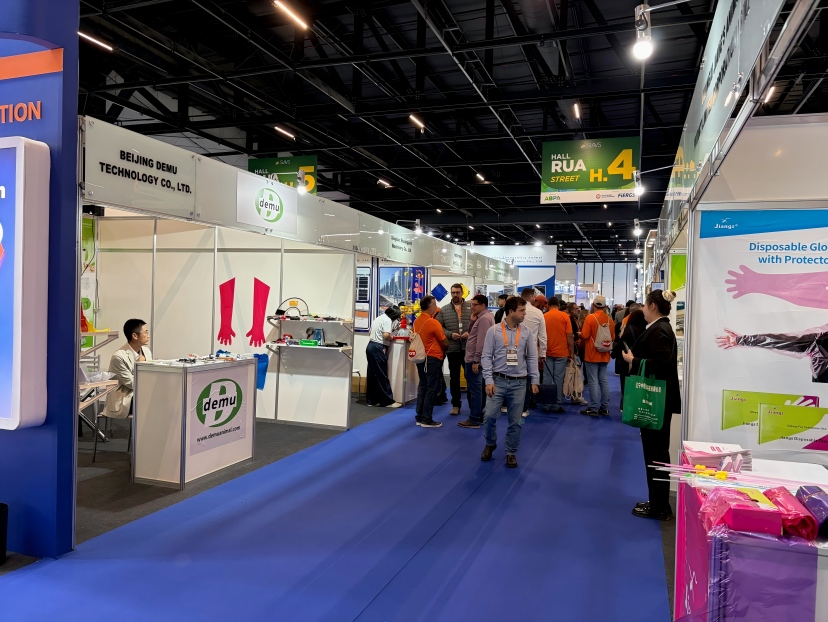
The atmosphere inside the exhibition reflected the scale and diversity of the South American livestock industry.
Alongside equipment booths, the SIAVS Talks area hosted discussions on subjects including antibiotic-free production, farm efficiency, automation upgrades and energy management. Visitors used simultaneous interpretation headsets to follow the presentations and exchange ideas with industry specialists.
The questions raised at our booth showed that many visitors were attending with active projects rather than only collecting market information.
Poultry farm owners wanted to understand how automation could address:
· high ventilation electricity costs;
· unreliable environmental control;
· labour-intensive egg counting;
· incomplete farm production records;
· ageing equipment;
· slow technical support for imported systems.
Equipment distributors and project integrators were more focused on product compatibility, local voltage standards, OEM branding, bulk supply, technical documentation and after-sales support.
These two groups may ask different questions, but their objective is similar: they need poultry equipment that can be integrated into real farm operations rather than equipment designed only for catalogue presentation.
By displaying functioning hardware, we could move the discussion away from general marketing claims and toward actual operating conditions.
Customers were able to see the control interfaces, review system functions and discuss how the equipment could be configured for different poultry-house layouts.
Why Ventilation Efficiency Is a Priority for Brazilian Poultry Farms
Ventilation was one of the most frequently discussed subjects during the exhibition.
Many commercial poultry houses in Brazil have wide building spans, high stocking densities and long periods of hot weather. Under these conditions, ventilation fans may operate for extended hours and must move large volumes of air consistently.
Several visitors explained that older poultry houses still use conventional AC ventilation fans. Over time, these farms may face rising electricity consumption, unstable performance and increasing maintenance requirements.
As a result, many customers first asked about EC poultry fans.
Their questions were highly practical:
· What is the actual airflow?
· How much power does the fan consume?
· Can the motor tolerate voltage fluctuations?
· Can the speed be controlled independently?
· How quickly can spare parts be supplied?
· Can the fan operate continuously in a hot poultry house?
These questions demonstrate why poultry ventilation equipment should not be selected only by fan diameter or maximum airflow.
A reliable ventilation solution must also consider house length, static pressure, air-inlet design, cooling-pad resistance, temperature patterns and the farm’s operating schedule.
EC motor technology supports variable-speed operation and can allow the ventilation system to respond more closely to actual environmental demand. Instead of operating every fan continuously at full capacity, the controller can coordinate fan stages and speed according to the poultry-house conditions.
However, equipment efficiency still depends on proper system design. An efficient fan installed in an unsuitable layout will not automatically create an efficient poultry house.
For airflow calculations, fan quantity and inlet planning, buyers can review our poultry house ventilation design and equipment selection guide before comparing equipment.
At SIAVS 2026, we introduced different EC and direct-drive ventilation options for commercial poultry applications. For high-capacity commercial houses, a 57-inch high-capacity poultry ventilation fan is one related option to evaluate against airflow, static pressure and local voltage requirements. We also explained how these fans can work together with a poultry environmental control system.
This integrated approach is particularly valuable for poultry equipment distributors and engineering contractors. When the fans, controllers and electrical requirements are planned together, installation and commissioning become more predictable.
What Local Buyers Expect from Poultry Climate Control Systems
Environmental control was another major area of discussion.
A modern poultry controller may need to coordinate ventilation fans, air inlets, cooling pads, heaters, alarms, lighting and multiple environmental sensors. However, many older farms still use controllers with limited functions or control logic that does not match local climate conditions.
Customers at SIAVS asked whether our poultry climate control equipment could support:
· wide input-voltage ranges;
· prolonged operation in hot environments;
· protection against poultry-house dust;
· multiple fan groups and ventilation stages;
· integration with existing electrical panels;
· remote parameter adjustment;
· localized technical documents;
· Portuguese operating interfaces or instructions.
These questions show that a poultry environmental controller is more than a touchscreen.
Its long-term value also depends on hardware protection, input and output capacity, communication functions, alarm design, sensor compatibility and technical support.
A controller that works well in one region cannot always be copied directly into a different market. South American farms may have different power conditions, house designs, operating practices and maintenance resources from farms in Southeast Asia or Central Asia.
Before recommending a controller, the supplier should understand:
· poultry type;
· house dimensions;
· fan quantities;
· ventilation stages;
· air-inlet configuration;
· cooling and heating equipment;
· required sensors;
· local voltage and frequency;
· communication requirements.
Farm planners can review our environmental control guide for layer chicken farming for a broader explanation of temperature, humidity, ventilation and alarm coordination.
Accurate project information allows the controller and expansion modules to be configured before shipment.
This reduces the risk of discovering missing outputs, incompatible signals or unsuitable control logic during installation.
For farms requiring a 10-inch operator-centered platform, the LINO Touch MAX poultry environmental controller is a related configuration option that should be matched to the approved equipment list and control requirements.
For distributors managing local poultry projects, remote technical support is also important. The ability to review parameters, assist with commissioning and diagnose faults remotely can reduce delays when a new control system is introduced to the market.
Why AI Vision Egg Counting Attracted Layer Farm Owners
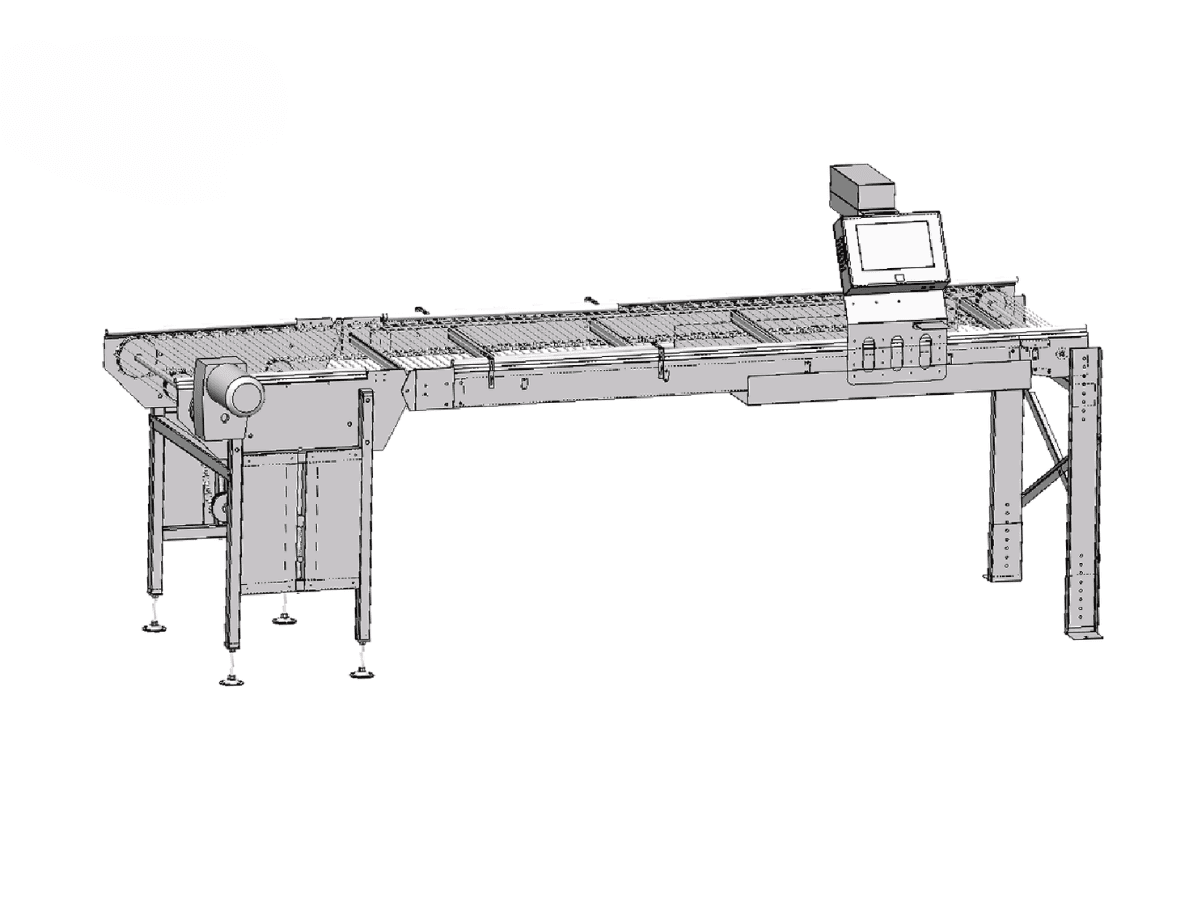
The HNRK-EC AI vision egg counter generated considerable interest among layer farm owners and poultry equipment distributors.
Many layer farms in South America still depend on workers to count eggs at the end of collection lines. This process requires labour, creates opportunities for missed or repeated counts and makes it difficult to store production data automatically.
Some farms have introduced conventional photoelectric egg counters. These systems generally count an egg when it interrupts a light beam.
Although the principle is simple, performance may be affected when:
· several eggs pass closely together;
· eggs overlap on the conveyor;
· dust or feathers cover the sensor;
· broken eggs or shell fragments enter the detection area;
· conveyor speed changes.
An AI egg counter uses a different method.
An industrial camera captures the moving eggs, while the recognition system identifies and separates individual egg outlines within the image. Depending on the validated conveyor conditions, the system can recognise closely positioned eggs and support additional functions such as visible damaged-egg identification and production-data storage.
At the exhibition, visitors could see the HNRK-EC interface operating in real time. The demonstration led to detailed questions about conveyor width, line speed, lighting, mounting height, camera angle and dust accumulation.
These are important questions because a visual egg counter should not be selected only by a published accuracy figure.
Actual performance depends on how the camera and algorithm are matched to the production line.
Before configuring an AI vision egg counter for layer farms, buyers should provide:
· conveyor width;
· normal and maximum operating speed;
· typical egg spacing;
· line height;
· installation photos;
· videos showing actual egg flow;
· required data functions.
The system can then be configured according to the real conveyor rather than treated as a universal sensor.
The strong interest at SIAVS also showed that egg counting is becoming part of a broader data-management requirement.
Farm managers increasingly want:
· hourly egg output;
· daily accumulated production;
· historical production records;
· Excel report export;
· line-by-line comparison;
· data that can support flock-performance analysis.
For these farms, the egg counter is no longer only a counting device. It becomes part of the layer farm’s production-data system.
For a detailed overview of installation, data collection and production-management use, see our automatic egg counting system guide for commercial layer farms.
South American Poultry Equipment Requires Local Adaptation
One of the clearest lessons from SIAVS 2026 was that local adaptation matters more than simply exporting a standard model.
System integrators asked whether equipment could operate under unstable power conditions. Farm owners wanted to know whether controllers and motors could tolerate high temperatures and dust. Distributors focused on OEM branding, production capacity, Portuguese documentation and remote technical assistance.
These requirements cannot be solved by shipping a standard product and leaving the local partner to manage every technical issue.
For distributors and integrators, selecting a poultry equipment OEM supplier for Latin America also requires attention to voltage standards, localized documentation, spare-parts planning, remote support and OEM branding.
A suitable Brazil poultry equipment supplier should support several areas.
Electrical and environmental configuration
The equipment should be configured according to local voltage, frequency, temperature, dust conditions and installation environment.
Localized technical documentation
Manuals, wiring diagrams, parameter sheets and installation instructions should be understandable to local technicians.
Spare-parts planning
The distributor should know which components may need local stock and how quickly replacements can be supplied.
Remote commissioning support
Controllers, monitoring systems and visual-recognition equipment often require parameter adjustment after installation. Remote support can help local partners complete commissioning more efficiently.
OEM and private-label cooperation
Some distributors want to develop their own local brands. They may require customized labels, packaging, technical documents and product configurations.
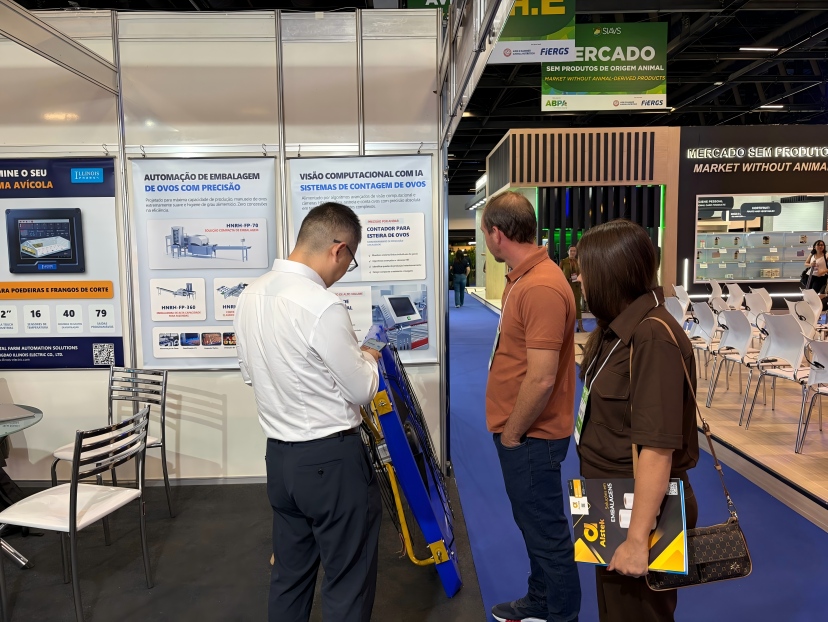
During the exhibition, our team explained the production process, OEM workflow, technical-document support, delivery coordination and remote service model.
Several local partners requested follow-up proposals based on their poultry-house conditions and market plans.
From Individual Machines to Complete Poultry Farm Automation
The discussions in Brazil also confirmed that many buyers prefer coordinated equipment packages rather than isolated products.
A complete poultry farm automation solution may include:
· poultry environmental controllers;
· EC or direct-drive ventilation fans;
· air-inlet and cooling control;
· egg counting systems;
· LN-FSW feed silo weighing system for inventory monitoring;
· electrical control cabinets;
· alarms and remote monitoring.
The main advantage of this approach is compatibility.
When sensors, controllers, ventilation equipment and monitoring systems are planned together, project contractors can reduce interface problems and establish a clearer commissioning process.
The equipment combination will differ according to the farm type.
A broiler project may focus on ventilation, temperature control, cooling, feed monitoring and alarms.
A layer farm may require the same systems together with egg counting, egg handling and production-data management.
At SIAVS 2026, we presented these products as parts of a connected farm system rather than unrelated machines.
The objective was to demonstrate how automation can support:
· environmental stability;
· lower manual workload;
· more consistent production records;
· equipment coordination;
· farm-management decisions;
· long-term operating efficiency.
For distributors, a coordinated product portfolio also creates opportunities to move beyond single-product sales and participate in complete poultry-house construction or renovation projects.
A separate Thailand broiler farm automation project illustrates how environmental control, ventilation equipment and poultry weighing can be coordinated within one farm system.
What We Learned from Face-to-Face Customer Conversations
Online enquiries usually begin with a product model or a request for price.
Face-to-face conversations often begin with the problem.
At SIAVS, poultry farmers described the issues they were already experiencing:
· ventilation fans consumed too much electricity;
· manual egg counting produced inconsistent records;
· old environmental controllers did not match local climate conditions;
· imported equipment took too long to repair;
· technical support became difficult after delivery.
These comments help identify where equipment and service models must improve.
Improving a ventilation fan is not only about increasing airflow. Motor efficiency, voltage compatibility, speed control, protective design and spare-parts supply must also be considered.
Improving an egg counter is not only about counting one separated egg. The system must respond to dust, closely grouped eggs, conveyor-speed changes and farm data requirements.
Improving a controller is not only about adding more functions. The interface, control logic, alarm settings, documentation and technical support must be understandable to local users.
This is why SIAVS was more than a product exhibition for our team. It was also an opportunity to collect practical market information and understand how poultry automation equipment should be adapted for Latin America.
Supporting Poultry Equipment Distributors in Latin America
Following the exhibition, our team continued follow-up discussions with farms, distributors and project partners interested in South American markets.
The opportunities are significant, but long-term cooperation requires more than competitive pricing.
Local distributors contribute:
· market knowledge;
· customer relationships;
· installation resources;
· import experience;
· local after-sales capability.
Manufacturers contribute:
· product development;
· production capacity;
· equipment customization;
· technical documentation;
· testing and export preparation.
A successful cooperation model should combine these strengths while protecting the local partner’s customer relationship.
For qualified distributors, cooperation may include:
· standard equipment supply;
· OEM or private-label production;
· project-specific configuration;
· Portuguese marketing materials;
· technical training;
· remote commissioning support;
· spare-parts planning;
· follow-up support for farm renovation projects.
The next step after SIAVS 2026 is to review each enquiry according to the farm’s climate, existing equipment, electrical standards and project schedule.
This allows the proposed solution to reflect the actual application rather than relying on a generic export quotation.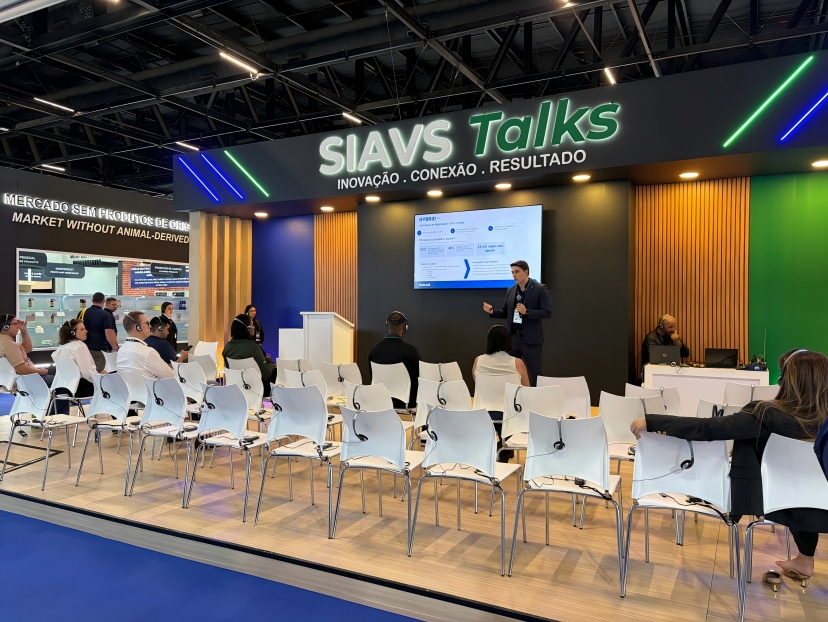
Frequently Asked Questions
What poultry automation equipment attracted the most interest at SIAVS 2026?
Visitors showed strong interest in poultry environmental controllers, EC ventilation fans, AI vision egg counters and farm weighing and monitoring systems. Most questions focused on energy use, voltage compatibility, dust resistance, data functions and technical support.
Are EC fans suitable for hot-climate poultry houses?
EC fans can support variable-speed ventilation and more flexible energy management. Their suitability still depends on airflow requirements, static pressure, house dimensions, local voltage and environmental control configuration.
Can an AI vision egg counter replace a photoelectric counter?
A visual egg counter can provide advantages when eggs travel closely together or when farms require production-data storage. Final performance must be calibrated according to conveyor width, speed, lighting and camera position.
Can poultry equipment be customized for the Brazilian market?
Yes. Depending on the project, equipment may be configured for local voltage, environmental conditions, language requirements, OEM branding and installation needs.
Do you support poultry equipment distributors in South America?
Yes. Cooperation can include standard supply, OEM production, localized documents, project configuration, spare-parts planning and remote technical support.
What information is needed for a poultry automation proposal?
Buyers should provide the poultry type, house dimensions, bird capacity, existing equipment, electrical standards, ventilation layout, required sensors and current project stage. Photos, drawings and operating videos are also helpful.
Conclusion
SIAVS 2026 offered a direct view of the priorities shaping poultry farm automation in South America.
Brazilian and regional buyers are seeking equipment that can reduce energy consumption, improve production-data accuracy, operate reliably in demanding farm environments and receive effective support after shipment.
The event also reinforced an important principle: exporting poultry equipment is not simply a matter of moving the same product from one market to another.
Successful projects require local operating conditions to be understood, technical configurations to be adapted and distributors to receive the documentation and support needed to serve their customers.
Our team will continue following up with the poultry farms, equipment partners and project contractors we met in São Paulo. We will also continue sharing technical observations about poultry climate control, EC ventilation, egg counting and farm monitoring in Latin America.
For farms, distributors and engineering contractors seeking poultry farm automation solutions for South America, our technical team can review your current equipment, operating conditions and project objectives before preparing a suitable configuration.
Planning a Poultry Automation Project in South America?
Share your farm type, house dimensions, electrical standards, existing equipment and automation requirements with our technical team.
Discuss Your Poultry Automation Project
Request a Distributor Cooperation Proposal