How to Optimize Environmental Control and Management for Layer Chicken Farming
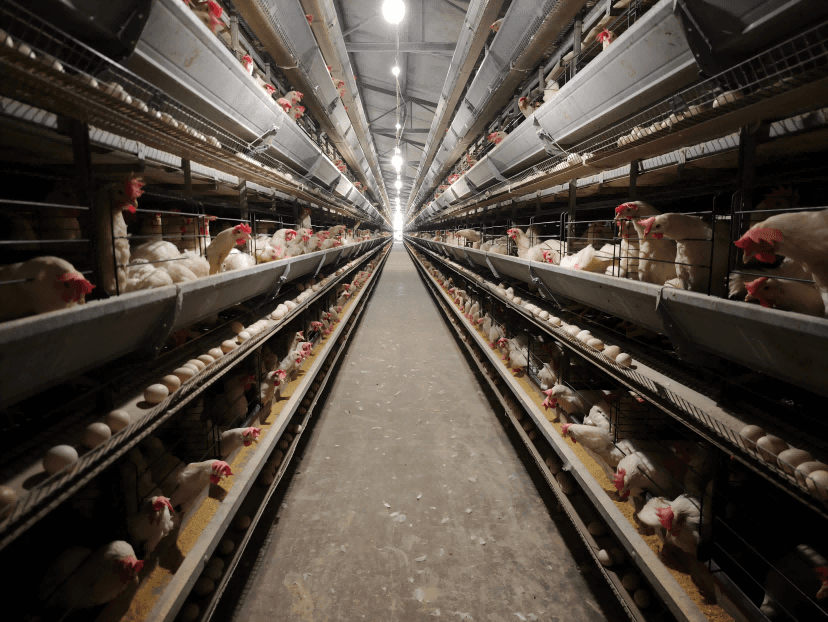
Layer chicken farming is a vital segment of the animal husbandry industry. Its production performance directly affects the stable supply and quality safety of poultry eggs in the market. During the breeding process, environmental factors including temperature, humidity, light intensity and air quality, which is why a reliable LINO Touch MAX environmental controller matters exert a direct impact on the physiological status, egg production performance and disease resistance of layer chickens. Excessively high or low temperature will reduce feed intake and cause fluctuating egg production rates. Excessive humidity facilitates the breeding of pathogenic microorganisms, while poor ventilation leads to the accumulation of harmful gases and triggers respiratory diseases. At present, many farms still face problems such as vague environmental parameter control and formalistic management, which eventually lower breeding benefits. This paper focuses on the key links of environmental control and management in layer chicken farming, refines operational standards and implementation procedures, and provides practical technical support for on-site breeding work.
1. Precision Regulation of Basic Environmental Factors in Layer Chicken Housing
Basic environmental factors including temperature, humidity and light determine the physiological condition and egg production capacity of layer chickens. Chickens at different growth stages have distinct environmental requirements. Precise regulation and stage-specific parameter setting are the primary measures to ensure healthy growth and stable egg production.
1.1 Gradient Temperature Control for Layer Chickens at Different Growth Stages
The optimal temperature for layer chickens gradually decreases from the brooding stage to the laying stage, requiring staged temperature standards and accurate adjustment.
Brooding stage (0 to 6 weeks old): Young chicks have poor heat retention capacity. The indoor temperature should be maintained between 32℃ and 35℃. Reduce the temperature by 2℃ to 3℃ every week via combined floor heating and heat lamps. Ensure even temperature in the activity area with a local temperature difference no more than 2℃.
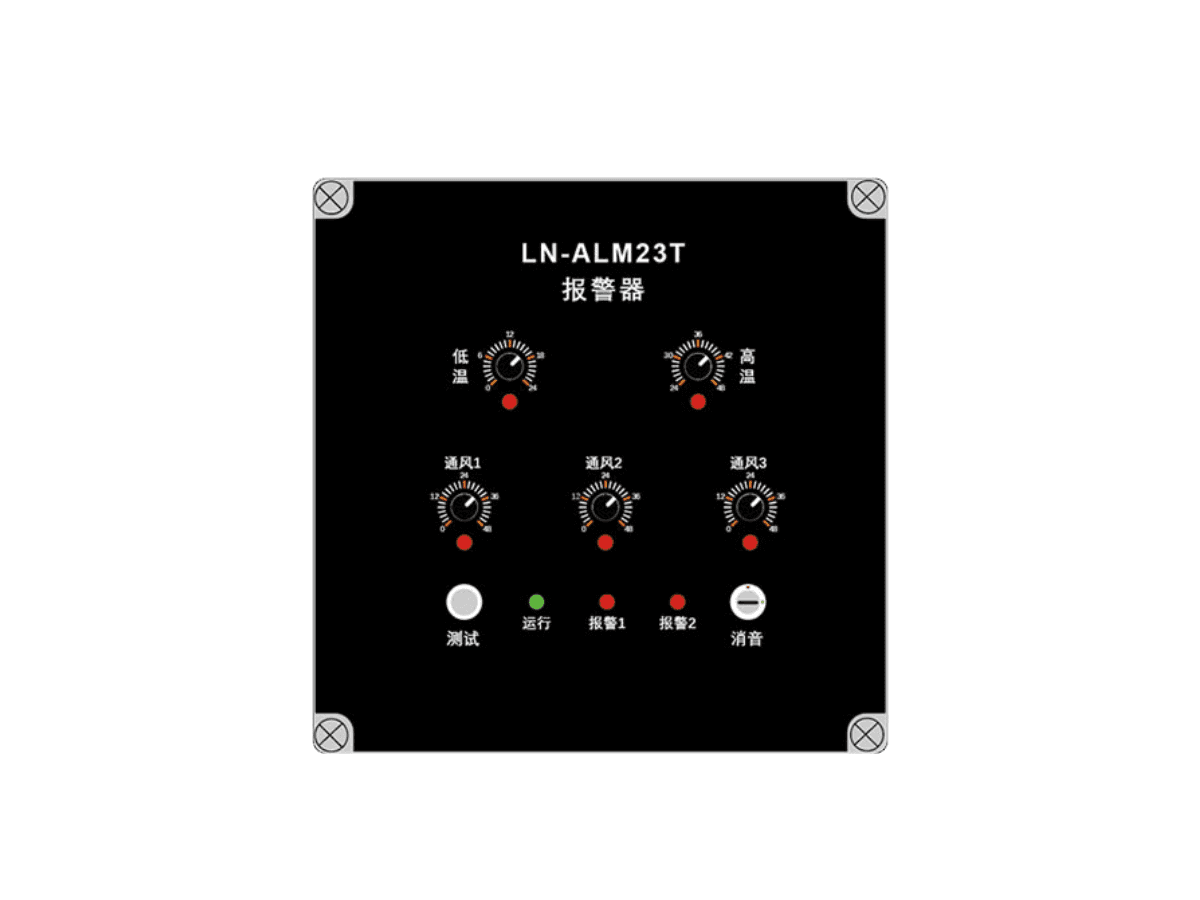
Rearing stage (7 to 18 weeks old): Keep the temperature stable at 18℃ to 22℃. An independent temperature alarm provides an extra safety layer for overnight or off-hours monitoring. Collaborate 50-inch PM ventilation fans and heating equipment for temperature control. Use fans for cooling in summer, and turn off partial fans and activate heaters in winter to avoid a temperature drop exceeding 3℃.
Laying stage (19 weeks old and above): Maintain the temperature within 18℃ to 25℃, the ideal range for egg production. Activate the cooling pad system when the outdoor temperature exceeds 30℃ to keep indoor temperature below 28℃. Add thermal insulation materials and reduce ventilation frequency when the outdoor temperature drops below 10℃, preventing the indoor temperature from falling under 15℃.
1.2 Dynamic Humidity Balance Management for Chicken Housing
Excessively high humidity results in wet litter and germ propagation, while low humidity dries out the respiratory mucosa of chickens. Humidity shall be adjusted dynamically according to growth stages and seasons.
- Brooding stage (0 to 6 weeks old): Control relative humidity at 60% to 65%. Place water basins beside heating facilities to raise humidity, and reduce the number of basins if litter clumps due to over-humidity.
- Rearing stage (7 to 18 weeks old): Adjust humidity to 55% to 60%. Strengthen ventilation and replace damp litter around the housing every 3 days in hot and humid summer. Hang wet curtains to increase humidity in cold and dry winter, and keep humidity above 50%.
- Laying stage (19 weeks old and above): Stabilize humidity at 50% to 55%. Check wall condensation every morning and increase ventilation if condensation occurs. Conduct atomization humidification 1 to 2 times a day for 5 minutes each time with clean tap water when excessive dust appears indoors.
1.3 Light Duration and Intensity Regulation for the Laying Cycle
Light is a core factor affecting hormone secretion related to egg production. Standardized light management throughout the laying cycle is essential to avoid reduced egg production caused by unstable light conditions.
- 0 to 3 days old: Provide 24-hour continuous light with intensity of 20 to 30 lux to help chicks adapt to the environment and eat normally.
- 4 to 6 weeks old: Gradually shorten light duration to 16 hours and lower light intensity to 10 to 15 lux to prevent premature sexual maturity.
- 7 to 17 weeks old: Maintain 8 to 10 hours of light with intensity of 5 to 10 lux to inhibit premature development of reproductive organs.
Pre-laying period (18 weeks old): Increase light duration by 0.5 to 1 hour every week until reaching the stable standard of 16 hours for peak laying period, and raise light intensity to 15 to 20 lux. Adopt 20-watt LED lamps hung at 2.5 meters high, with one lamp per 10 square meters. Ensure even light distribution with intensity difference less than 5 lux.
Late laying period (50 weeks old and above): Extend light duration to 17 hours while keeping light intensity unchanged to sustain the egg production rate.
2. Ventilation System Optimization and Pollutant Control for Layer Chicken Housing
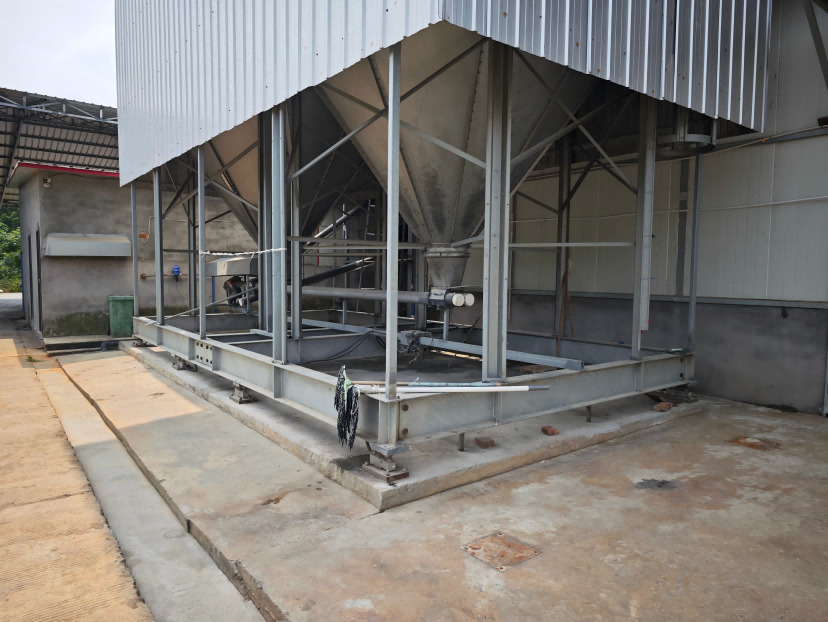
The ventilation system serves as the core of environmental regulation in chicken coops, governing air circulation and pollutant discharge. Optimize system selection and layout, dynamically control pollutant concentration, and coordinate ventilation with temperature and humidity adjustment to create a sound indoor environment.
2.1 Selection and Layout Design of Ventilation Systems
Ventilation solutions shall match farm scale and local climate to balance ventilation efficiency and energy consumption.
Small-scale farms (fewer than 5,000 chickens): Combine natural ventilation and mechanical ventilation. Install adjustable ventilation windows (1.2m high, 0.8m wide) on both sides and skylights (1m wide, one per 10 meters) on the roof. Equip 4 to 6 negative pressure ventilation fans (0.75kW, air volume 15,000 cubic meters per hour) for enhanced ventilation in hot weather.
Medium and large-scale farms (more than 10,000 chickens): Adopt full mechanical negative pressure ventilation ventilation. Calculate fan quantity based on 10 to 12 cubic meters of air demand per chicken per hour. Install fans at one end of the housing and air inlets at the opposite end, equipped with 15cm-thick cooling pads (10 square meters of pads per 100 square meters of breeding area).
Layout requirements: Set fan spacing at 3 to 4 meters. Keep air inlets at 0.8 meters high, level with the chickens’ backs, to eliminate air dead zones and local pollutant accumulation.
2.2 Dynamic Ventilation Frequency Adjustment Based on Pollutant Concentration
Strictly control the concentration of ammonia, hydrogen sulfide and dust inside the coop. Adjust ventilation frequency through regular monitoring to prevent health risks and excessive energy consumption.
Monitor ammonia concentration three times daily at 8:00, 12:00 and 18:00 with portable detectors (accuracy: 0.1 ml/L). Take samples at three points (front, middle and rear) 0.8 meters above the ground. Add one fan for every 5 ml/L increase when ammonia exceeds 15 ml/L, and reduce one fan when the concentration drops below 10 ml/L.
Test hydrogen sulfide concentration once a week, with the safety standard below 5 ml/L. Increase ventilation and clean manure twice a day if the concentration exceeds the limit.
Activate dust suppression spray for 3 minutes and raise fan speed by 20% when floating dust is visible indoors.
2.3 Coordinated Regulation of Ventilation and Other Environmental Factors
Ventilation operation must be linked with temperature and humidity control to avoid environmental imbalance.
- Summer: Start fans first and turn on cooling pads 5 minutes later. Turn off one-third of the cooling pads when indoor temperature drops to 25℃ while keeping fans running.
- Winter: Apply intermittent ventilation: ventilate for 15 minutes every hour. Turn on heaters 10 minutes in advance to raise indoor temperature by 2℃ to 3℃ before ventilation.
- Spring (high humidity): Run dehumidifiers from 10:00 to 14:00 together with 2 operating fans to maintain humidity around 55%.
- Autumn (dry climate): Run atomization spray for 2 minutes every 30 minutes during ventilation to keep humidity above 50%.
3. Refined Daily Operations for Layer Chicken Environmental Management
Standardized daily work ensures the full implementation of environmental management measures. Standardize parameter monitoring, equipment inspection and staff training to maintain a stable breeding environment.
3.1 Standard Procedures for Timely Monitoring and Recording of Environmental Parameters
Conduct fixed-point and regular monitoring to provide data support for environmental regulation.
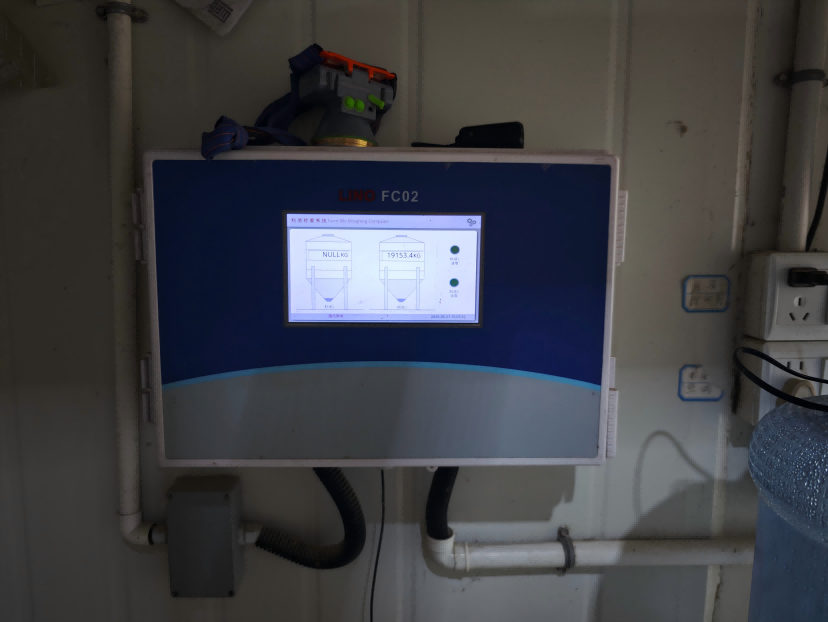
Perform three daily monitoring sessions at 7:00, 12:00 and 18:00 to record temperature, humidity and ammonia concentration with calibrated instruments. Fill in the Chicken Coop Environmental Monitoring Log, which shall be signed by on-duty breeders and managers.
Conduct comprehensive weekly monitoring covering light intensity, hydrogen sulfide and dust concentration. Compile weekly reports and explain abnormal parameter fluctuations over 5%.
Summarize monthly data, draw variation curves of key indicators and adjust monitoring plans according to seasonal changes.
3.2 Daily Inspection and Maintenance Rules for Environmental Control Equipment
Implement a three-level maintenance system: daily inspection, weekly maintenance and monthly overhaul to guarantee stable equipment operation.
Daily inspection (6:00 every morning): Check fan operation, water supply of cooling pads, heating performance and LED light conditions. Fix faults immediately once detected.
Weekly maintenance (Sunday afternoon): Clean fan blades, wash cooling pad filters, calibrate detection instruments and clear obstacles around air inlets.
Monthly overhaul (last day of each month): Invite professional technicians to inspect motor insulation, pipeline tightness and circuit aging. Replace worn parts and debug equipment operating parameters.
3.3 Standardized Training for Breeding Staff on Equipment Operation
Breeders are the direct implementers of environmental management. Systematic training is required to standardize operations.
Theoretical training (2 hours per month): Explain environmental standards, equipment principles and abnormal risk identification with pictures and video cases.
Practical training (1 hour per week): Conduct on-site demonstration and assessment. All staff must pass operational assessment before taking post.
Establish a post responsibility system. Assign a principal breeder for each coop to take charge of daily monitoring and equipment management. Launch incentive mechanisms to encourage standardized operation.
4. Emergency Management and Long-term Optimization of Layer Chicken Breeding Environment
Complete emergency plans, performance evaluation systems and technology upgrading strategies can effectively reduce breeding risks and promote sustainable development.
4.1 Emergency Response Plans for Sudden Environmental Incidents
- Power failure: Equip standby generators with 1.2 times the total power of core equipment. Start the generator within 5 minutes and prioritize power supply for fans and lights. Activate temporary spray cooling and open emergency windows if the indoor temperature exceeds 28℃.
- Extreme high temperature (outdoor temperature above 35℃): Fully activate cooling pads and all fans. Place ice blocks inside the coop and add electrolytes to drinking water. Monitor temperature every 2 hours until it returns to the safe range.
- Extreme low temperature (outdoor temperature below -10℃): Turn on all heating devices and add temporary thermal insulation boards. Ventilate for 5 minutes every hour to prevent harmful gas accumulation and avoid chicken crowding and extrusion.
Organize quarterly drill exercises to optimize emergency procedures.
4.2 Environmental Management Performance Evaluation Based on Production Data
Evaluate management effects by linking environmental parameters with production indicators including egg production rate, egg quality and chicken morbidity.
Adjust temperature and ventilation strategies if the monthly egg production rate drops by more than 3% month-on-month caused by drastic temperature change or excessive ammonia.
Calibrate light systems if eggshell breakage rate exceeds 2%, and increase humidity if sandy-shell eggs appear.
Enhance ventilation and dust removal if respiratory disease incidence exceeds 1%, and strengthen dehumidification for frequent intestinal diseases.
Conduct quarterly comprehensive assessment to analyze the correlation between environmental factors and production performance, and optimize management priorities.
4.3 Technology Iteration Strategies for Environmental Management
- Pilot smart IoT environmental monitoring and automatic control equipment on a small scale, and promote large-scale application after effect verification.
- Organize field visits to advanced farms every six months to learn mature management experience.
- Cooperate with agricultural universities and research institutions to solve targeted technical difficulties with professional guidance.
- Follow the principle of pilot test → effect evaluation → full promotion to avoid blind technology investment.
Environmental control and management for layer chicken farming is a systematic project forming a closed-loop management system with basic factor regulation as the core, ventilation optimization as the guarantee, refined daily operation as the foundation, and emergency & long-term optimization as the supplement. All management measures are interconnected. Only by implementing precise regulation and refined management throughout the whole breeding cycle can we maintain a stable coop environment, ensure chicken health and sustainable egg production.
Smart farming technology will drive the industry towards automatic monitoring, precise regulation and data-driven evaluation in the future. Regardless of technological upgrades, practical implementation and result-oriented management will always be the core. Combining advanced technology with on-site breeding conditions will further boost the high-quality development of the layer chicken industry.
Related Guides & Projects
For more in-depth guidance, continue reading our related guide on layer farm egg production management guide.
For real-world application references, see our project case studies such as smart poultry feeding system for Malaysia farms.
Read our Ontario layer farm field insight on maintainable climate-control automation for a real-world reference.