How to Source Livestock Climate Control and Power Distribution Equipment for Oman Projects
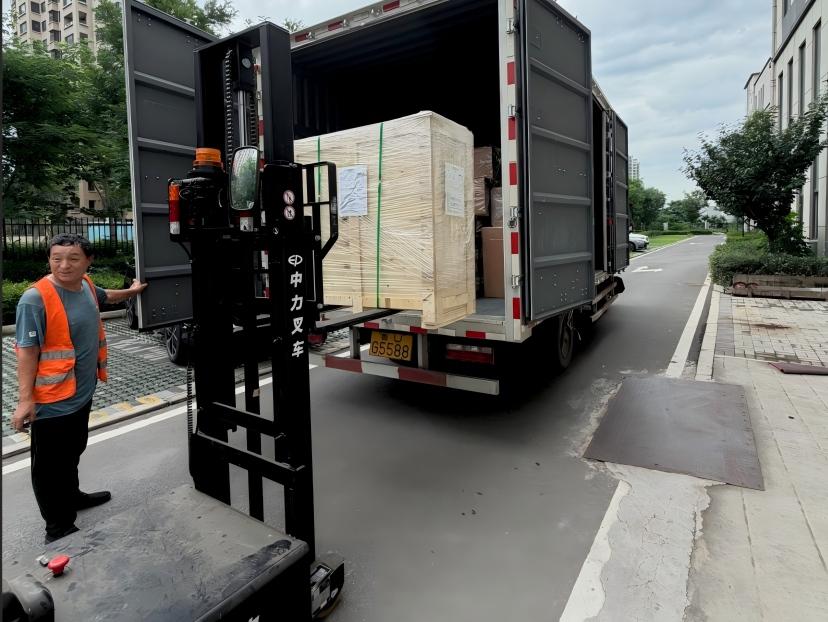
Sourcing livestock climate control equipment for Oman projects involves more than selecting ventilation fans or purchasing an electrical control cabinet separately.
High ambient temperatures, airborne dust, continuous equipment operation and long-distance transportation can all affect how livestock climate control equipment performs after installation. Equipment buyers therefore need to consider system compatibility, enclosure materials, electrical protection, factory testing and export packaging for livestock equipment before confirming an order.
A recent shipment prepared for a livestock equipment procurement partner in Oman included negative-pressure ventilation equipment, environmental control components, stainless steel power distribution cabinets, variable-frequency control modules and installation accessories.
The end customer and detailed project information remain confidential. However, the preparation process provides a practical reference for distributors and engineering contractors researching how to source livestock climate control equipment for Oman and other Middle Eastern markets.
The following six factors should be considered before placing an order.
1. Source the Climate Control System as an Integrated Package
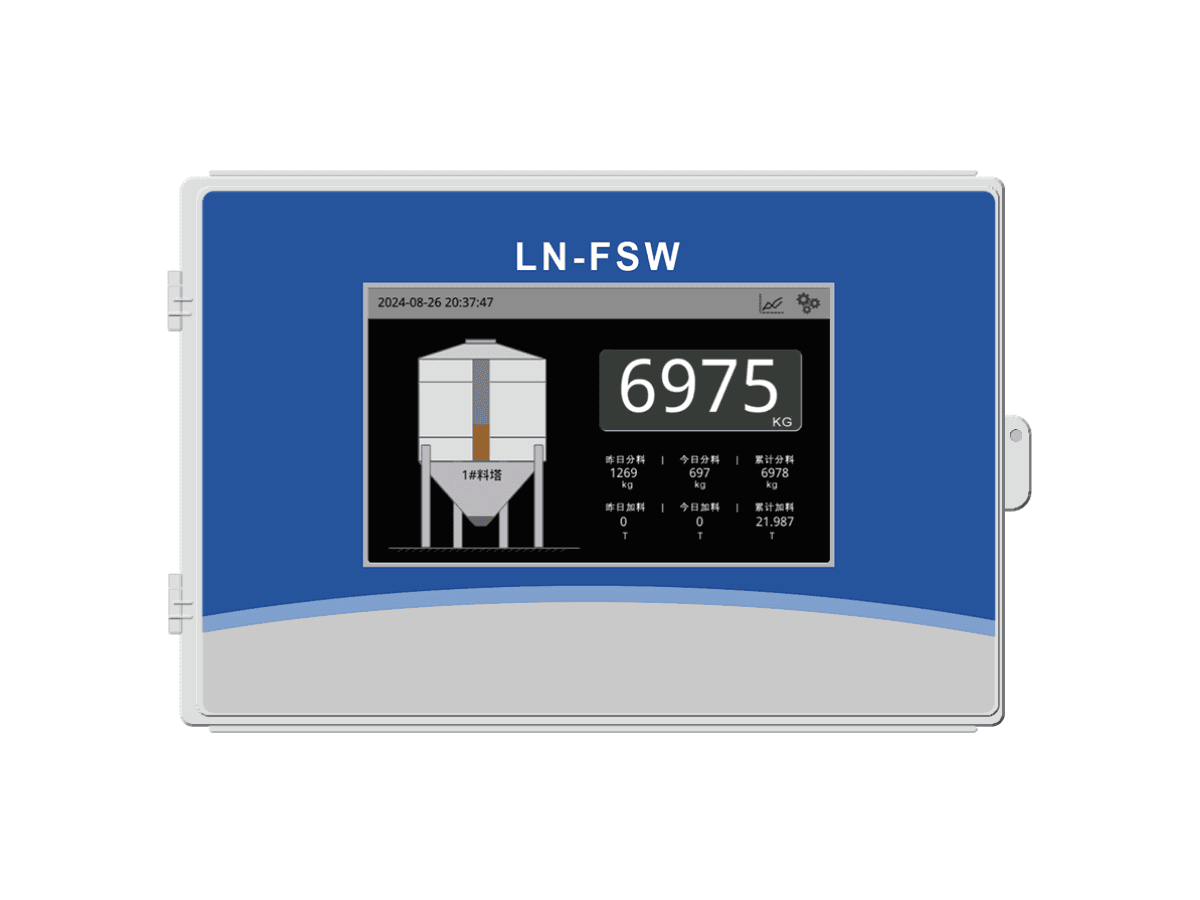
A modern poultry or livestock facility does not depend on one machine. Ventilation fans, cooling equipment, sensors, large-scale environmental controllers and electrical cabinets must operate as a coordinated system.
When these products are sourced from several unrelated suppliers, equipment buyers may encounter incompatible control signals, incorrect electrical loads, mismatched terminal arrangements, missing installation accessories and unclear commissioning responsibilities.
For the recent Oman shipment, the equipment was organized as an integrated poultry farm climate control solution. The order included the principal equipment and supporting control components required for system installation.
This coordinated supply model is especially useful for livestock equipment distributors and agricultural engineering contractors. Instead of purchasing individual products and resolving compatibility problems at the project site, buyers can confirm the main system requirements with one manufacturing partner before production begins.
Before ordering, buyers should provide information about the livestock species, building dimensions, ventilation method, cooling requirements, connected equipment and intended control sequence.
Complete project information makes it easier to configure custom livestock environmental control systems that match the actual operating environment.
2. Define the Local Operating Environment Before Selecting Equipment
Equipment for Oman should be selected according to the local climate and farm environment rather than only by price or rated power.
Important operating factors include:
· high seasonal temperatures;
· airborne dust;
· prolonged fan operation, which is why high-capacity 57-inch high-capacity livestock ventilation fans are often specified;
· large indoor and outdoor temperature differences;
· moisture generated inside livestock houses;
· corrosion around agricultural facilities;
· local voltage and frequency requirements.
These conditions can affect motors, sensors, electrical terminals, control boards and cabinet enclosures.
Equipment buyers should therefore check whether the proposed system has been configured for agricultural use. General-purpose electrical equipment may not offer the same protection required inside or near poultry and livestock facilities.
For the Oman order, the system configuration considered hot, dusty and continuous operating conditions. The environmental control equipment is designed to monitor internal conditions and coordinate connected ventilation and cooling devices.
This is particularly important when purchasing poultry farm ventilation equipment for hot climates. A suitable solution should begin with the project environment instead of simply adapting a standard catalogue model after the order has been placed.
3. Check the Material and Protection Functions of the Electrical Cabinet
The electrical control cabinet is a critical part of a livestock ventilation system. If the cabinet cannot operate reliably, fans, cooling equipment and environmental controllers may all be affected.
For agricultural applications, buyers should evaluate:
· cabinet enclosure material;
· resistance to moisture and corrosion;
· dust protection;
· internal component arrangement;
· heat dissipation;
· overload protection;
· short-circuit protection;
· leakage protection;
· over-temperature protection;
· variable-frequency control requirements.
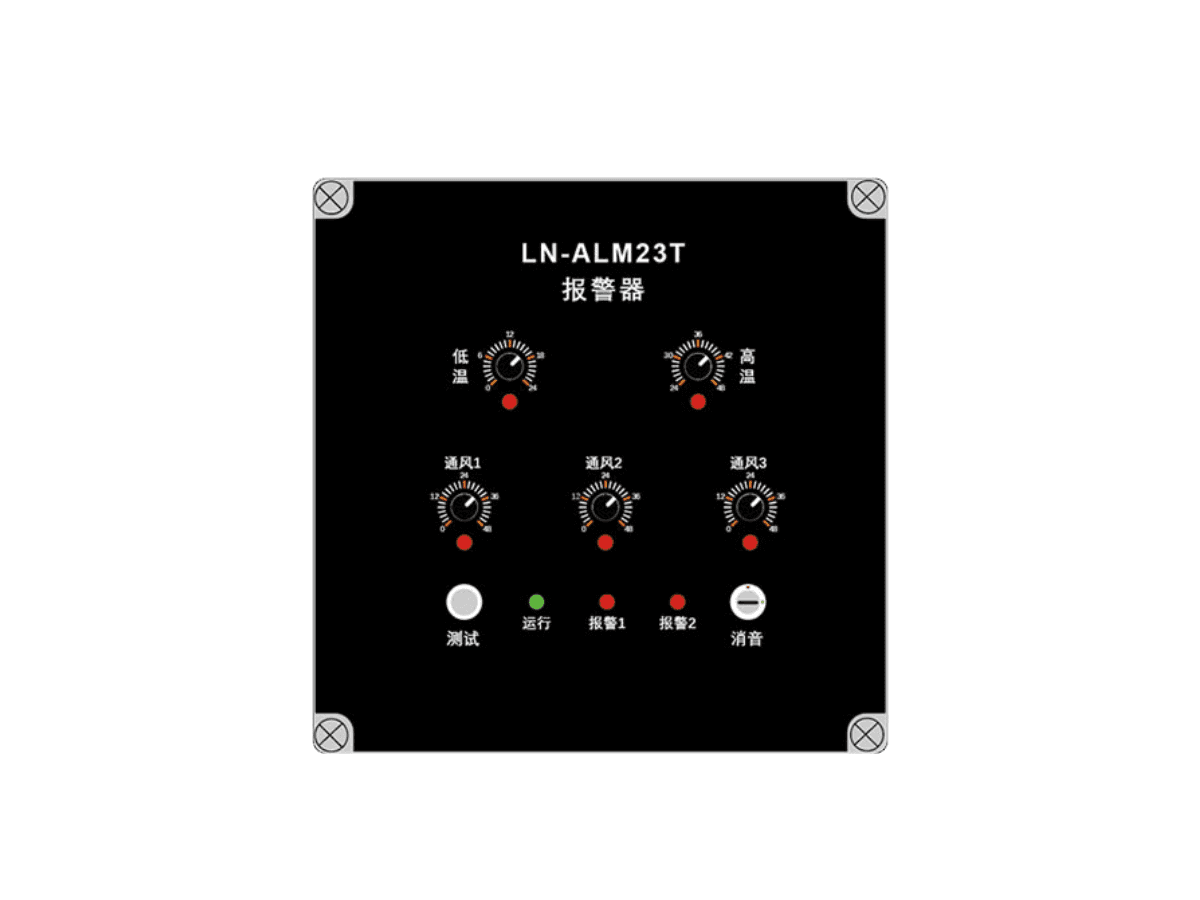
For continuous operation, a three-phase power monitoring alarm helps detect phase loss, phase reversal and power failures before they disrupt ventilation or cause equipment damage.
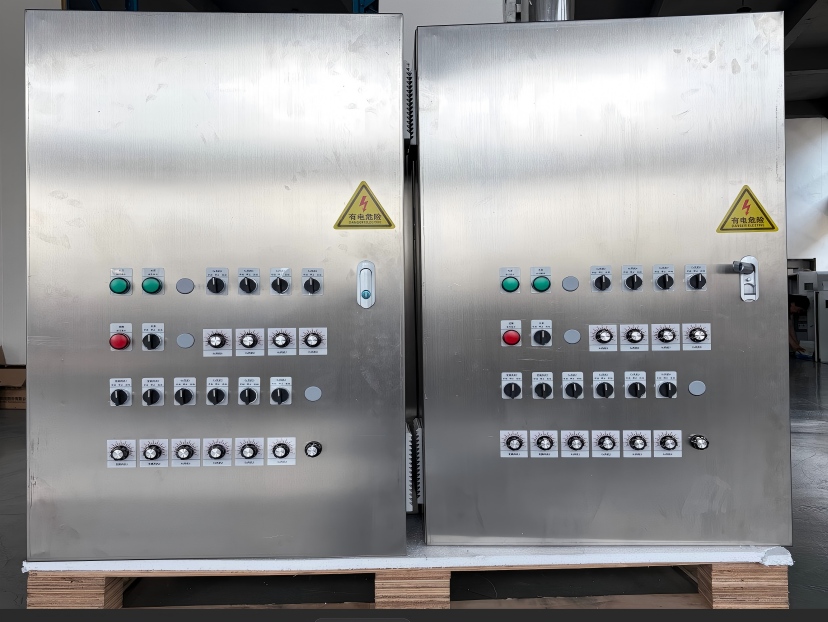
The cabinets prepared for this Oman shipment use 304 stainless steel enclosures. This material provides improved resistance to moisture, rust and demanding farm conditions compared with conventional indoor electrical cabinets.
This makes them relevant to buyers searching for stainless steel electrical cabinets for poultry farms or a reliable livestock power distribution cabinet supplier.
The cabinets also integrate variable-frequency control functions for connected ventilation equipment. Depending on the control design, fans can operate at different speeds according to environmental demand rather than relying only on fixed start-and-stop cycles.
Buyers should also confirm whether the cabinet will be installed indoors, outdoors or in a semi-exposed service area. Installation position affects sealing, ventilation, cable entry and enclosure requirements.
A variable-frequency control cabinet for livestock farms should be configured around the actual connected equipment rather than selected only by cabinet dimensions.
s:
· custom stainless steel power distribution cabinets
· variable-frequency fan control solutions
4. Require Factory Testing Before International Shipment
Factory testing is especially important when equipment is being delivered to an overseas livestock project.
After a system arrives in Oman, correcting an electrical configuration or replacing a component may cause additional transport costs, installation delays and communication between multiple parties.
Before shipment, buyers should confirm whether the supplier checks:
· powered operation;
· control functions;
· sensor inputs;
· output terminals;
· connected-load configuration;
· variable-frequency operation;
· safety protection functions;
· cabinet wiring;
· component installation;
· overall system response.
The equipment prepared for this order underwent factory inspection, powered operation and system adjustment before packing. Relevant equipment also completed a 72-hour continuous powered ageing test.
Ageing tests do not replace long-term field operation, but they can help identify assembly, wiring or component problems before the equipment leaves the factory.
For customized systems, buyers should request inspection records, operating photos or testing videos where appropriate. These materials give the procurement partner clearer evidence of equipment condition before dispatch.
A supplier that can explain its inspection process clearly is generally better positioned to support overseas installation and commissioning.
5. Evaluate Export Packaging as Part of Equipment Quality
Equipment quality can be compromised when export packaging is unsuitable for long-distance transportation.
Livestock ventilation equipment and electrical cabinets may pass factory inspection but still face several risks during inland transport, port handling and sea freight:
· vibration;
· impact;
· cargo movement;
· moisture exposure;
· dust contamination;
· pressure from adjacent packages;
· repeated loading and unloading.
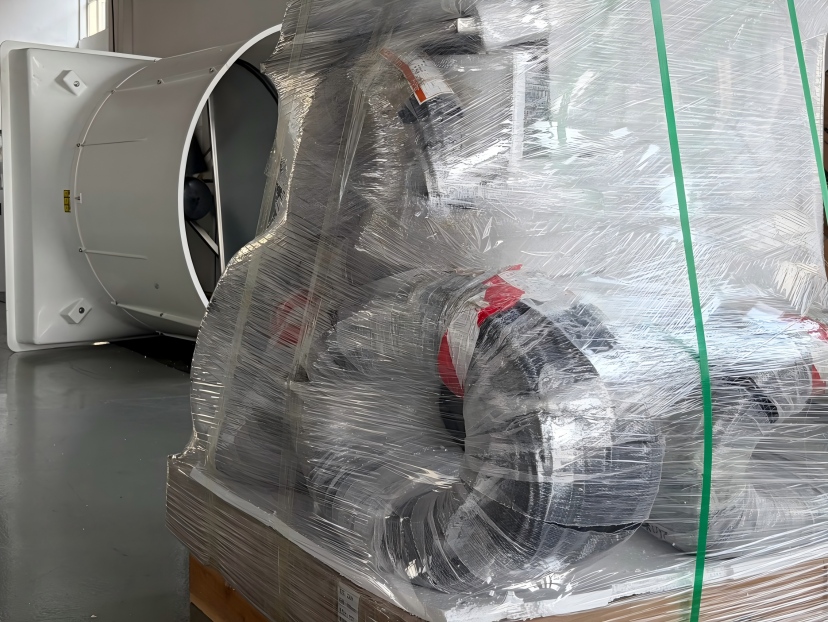
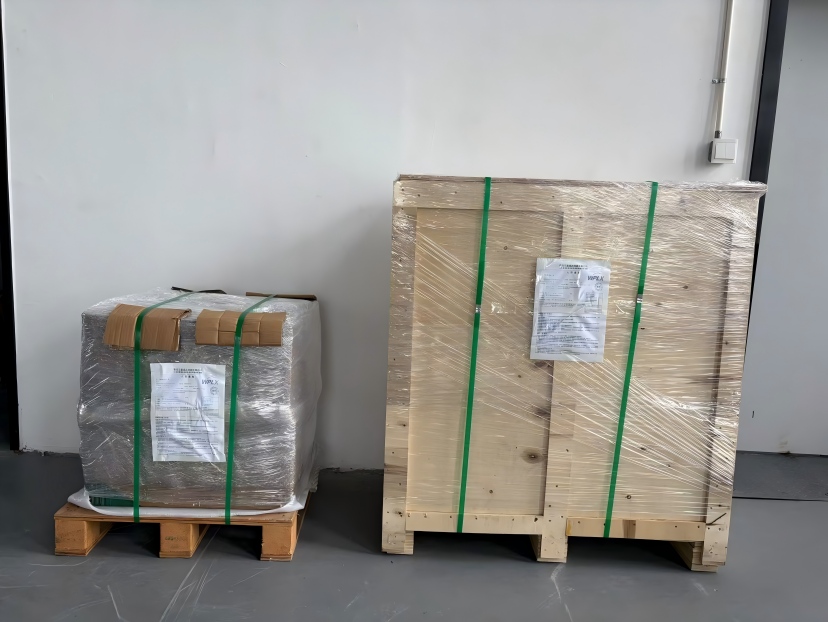
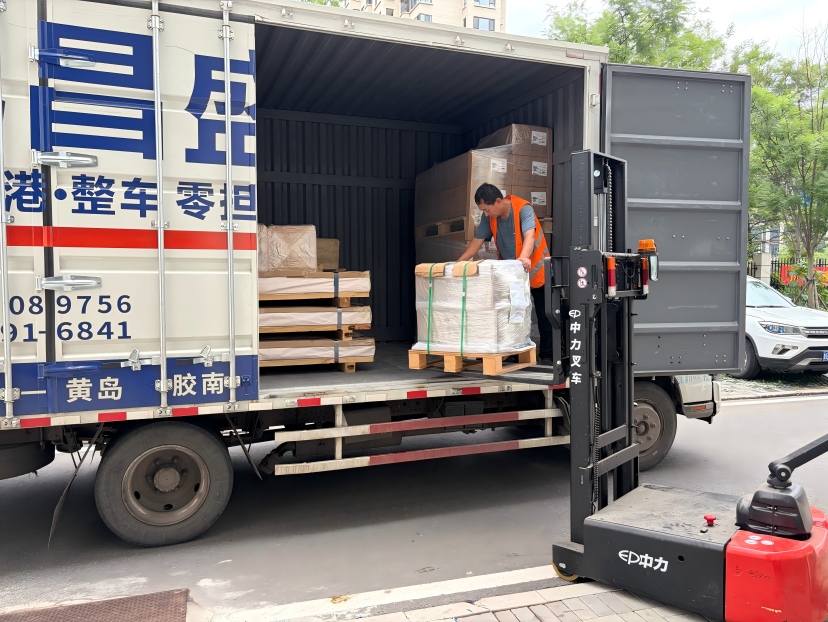
For this shipment, the equipment was secured using pallets, protective wrapping, reinforced straps and export wooden cases. Sensitive electrical and control components were protected separately where required.
When comparing suppliers, buyers should not treat packaging as a minor final step. The packaging method should reflect the weight, dimensions and sensitivity of each item.
Electrical cabinets require protection from impact and moisture. Ventilation equipment may require structural support to prevent deformation. Sensors, control modules and installation accessories should be separated, identified and recorded clearly.
Detailed packing lists and package markings also help local distributors manage unloading, inventory checks and project delivery after arrival.
For international livestock projects, export packaging for livestock equipment forms part of the complete supply solution rather than a separate logistics detail.
6. Choose a Supplier That Supports the Local Equipment Buyer
For many projects in Oman and the wider Middle East, the local equipment buyer or distributor remains the main connection between the manufacturer and the end farm.
Local partners understand customer requirements, project schedules, import procedures, installation conditions and after-sales expectations.
The upstream manufacturer should therefore support the procurement partner rather than compete for its downstream customer resources.
Depending on the project, useful supplier support may include:
· customized equipment configuration;
· non-standard electrical cabinet design;
· voltage and frequency adjustment;
· technical parameter sheets;
· export documentation;
· production progress updates;
· pre-shipment inspection records;
· remote installation guidance;
· troubleshooting support.
The recent Oman shipment followed this supplier–procurement partner model. The manufacturer focused on equipment configuration, production, testing and export preparation, while the local partner retained responsibility for the downstream project relationship. The same cooperation model was proven in our OEM poultry control system project in Kyrgyzstan, where the manufacturer supplied the control system and the local partner handled installation and commissioning.
For buyers searching for a livestock equipment supplier for Middle East distributors, channel protection and project support can be as important as the product itself.
When evaluating potential suppliers, distributors and engineering contractors should therefore consider both manufacturing capability and the supplier’s willingness to support long-term local market development.
What Should Buyers Check Before Ordering?
Before sourcing livestock climate control equipment for Oman projects, buyers should confirm:
1. whether the equipment can be supplied as a coordinated system;
2. whether it is suitable for hot, dusty and continuous operating conditions;
3. whether the electrical cabinet provides appropriate materials and safety protection;
4. whether factory testing is completed before shipment;
5. whether the export packaging is suitable for sea transportation;
6. whether the supplier supports the local equipment buyer and protects the channel relationship.
The lowest quotation does not always represent the lowest project risk.
For livestock equipment distributors and engineering contractors, system compatibility, factory testing, export packaging and technical support can be just as important as individual product specifications.
Our team supplies livestock environmental control systems, poultry farm ventilation equipment, variable-frequency control components and customized stainless steel power distribution cabinets for livestock projects.
Equipment configurations for Oman and other Middle Eastern markets can be discussed according to farm type, electrical standards, operating environment and installation requirements.
Related Guides & Projects
For more in-depth guidance, continue reading our related guide on poultry house ventilation design and equipment selection guide.
CTA
Sourcing Equipment for a Poultry or Livestock Project in Oman?
Discuss your ventilation capacity, electrical standards, environmental control functions and delivery requirements with our technical team.
Discuss Your Project Requirements
Request an Equipment Proposal