OEM Poultry Control System Cuts Installation by 10 Days
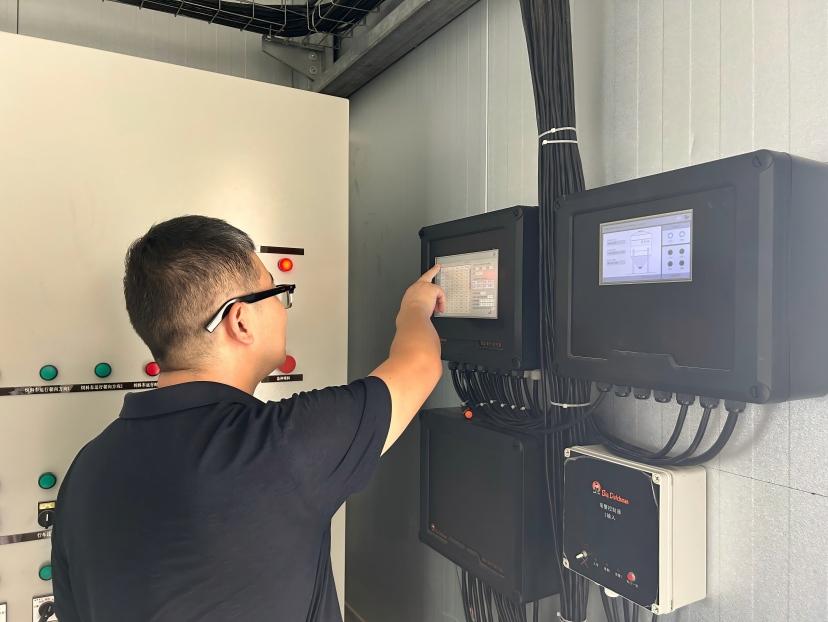
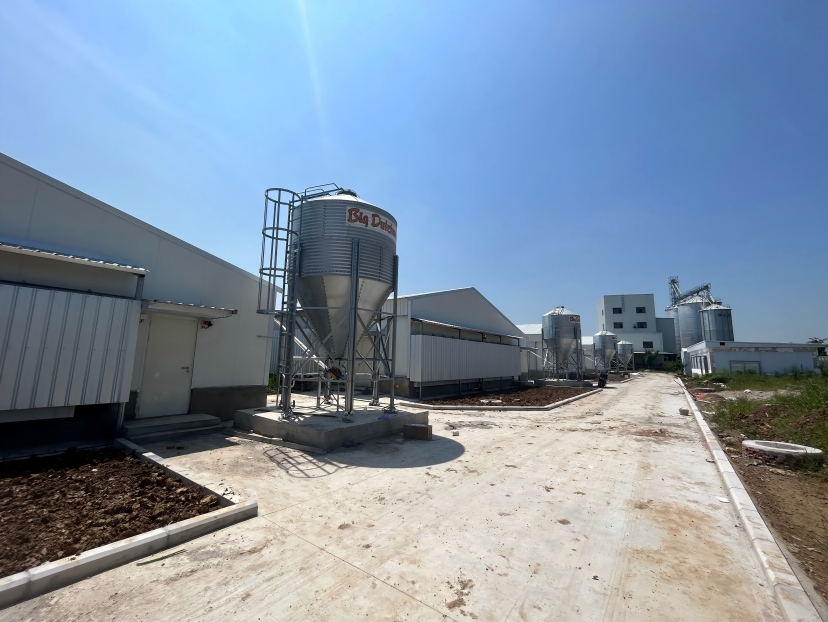
A new commercial poultry farm near Bishkek, Kyrgyzstan, had already selected Big Dutchman feed silos and pan-feeding equipment. What the project still lacked was a coordinated control layer for climate management, feed monitoring, ventilation and fault alarms.
The customer did not want to purchase several unrelated control products and then solve the communication problems on site. Instead, it needed one OEM poultry equipment supplier capable of developing and manufacturing a poultry LINO Touch MAX controller, digital silo weighing system, independent alarm controller and fan control panels under the customer’s own brand.
Our team was responsible for the full process: communication interface development, private-label design, factory production, functional testing, container shipment, on-site installation, commissioning and operator training.
I spent more than 20 days at the project with our engineers and the local installation team. This case study is based on our field photographs, commissioning records and the actual issues we encountered during the work.
Project Overview
| Project item | Details |
| Location | Bishkek, Kyrgyzstan |
| Application | Commercial poultry farm automation |
| Existing equipment | Big Dutchman feed silos and feeding lines |
| OEM scope | Climate control, silo weighing, alarms and fan control |
| Production period | 12 days |
| On-site commissioning | 8 days |
| Trial operation | 72 continuous hours |
| Project result | Installation completed 10 days earlier than expected |
1. Building an Integrated Poultry Farm Automation Solution
The first challenge was not choosing another controller. It was making several systems behave as one.
The customer required a custom poultry farm automation solution that could manage environmental conditions, record feed consumption, monitor fan operation and collect faults from different devices. All major control units also had to carry the customer’s own brand.
Before production, we completed four rounds of technical coordination with the customer and the regional feeding equipment engineers. These discussions covered communication signals, control logic, alarm priorities, wiring routes, interface languages and local farm conditions.
The required functions included:
· temperature, humidity and ammonia monitoring;
· automatic fan, cooling pad and heating control;
· real-time feed inventory monitoring;
· daily poultry feed consumption records;
· low-feed, fan-failure and weighing-sensor alarms;
· power failure notification;
· local audible and visual alarms;
· remote fault notifications;
· Russian and English operating interfaces.
The operating environment created another layer of difficulty. The farm could face wide differences between daytime and nighttime temperatures, unstable grid voltage, airborne dust and seasonal condensation.
For that reason, the project could not be treated as a basic logo-replacement order. The private-label poultry climate control system required changes to the hardware configuration, software logic and alarm settings.
For international buyers, this distinction matters. A standard private-label product changes the appearance. A properly engineered OEM solution changes the product so that it can work reliably within the customer’s actual farm, electrical system and equipment configuration.
2. Engineering Climate, Feed Weighing and Alarm Integration
Our engineering work began before any cabinet entered production.
The development team completed the required feeding-system communication interface in three days. A full-scale test platform was then assembled in our workshop using the OEM LINO Touch MAX controller, feed weighing modules, alarm controller and simulated operating signals.
The complete system ran continuously for 72 hours.
During the test, we checked temperature, humidity, ammonia, feed consumption, low-feed conditions, fan stoppages, power failures and weighing-sensor faults. Each signal was tested separately and then verified within the full control chain.
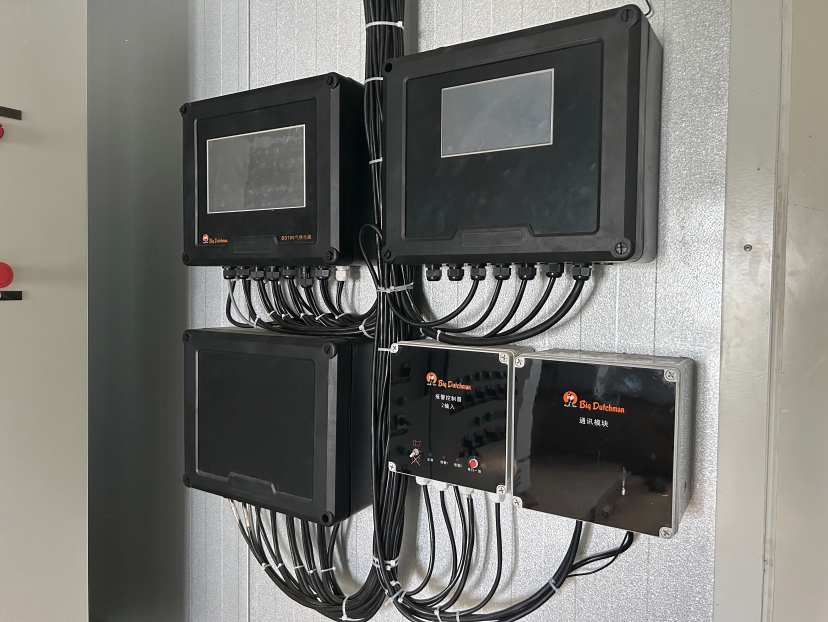
The poultry house LINO Touch MAX controller acted as the environmental management centre. It collected sensor data and automatically coordinated ventilation, cooling and heating equipment according to the selected operating parameters.
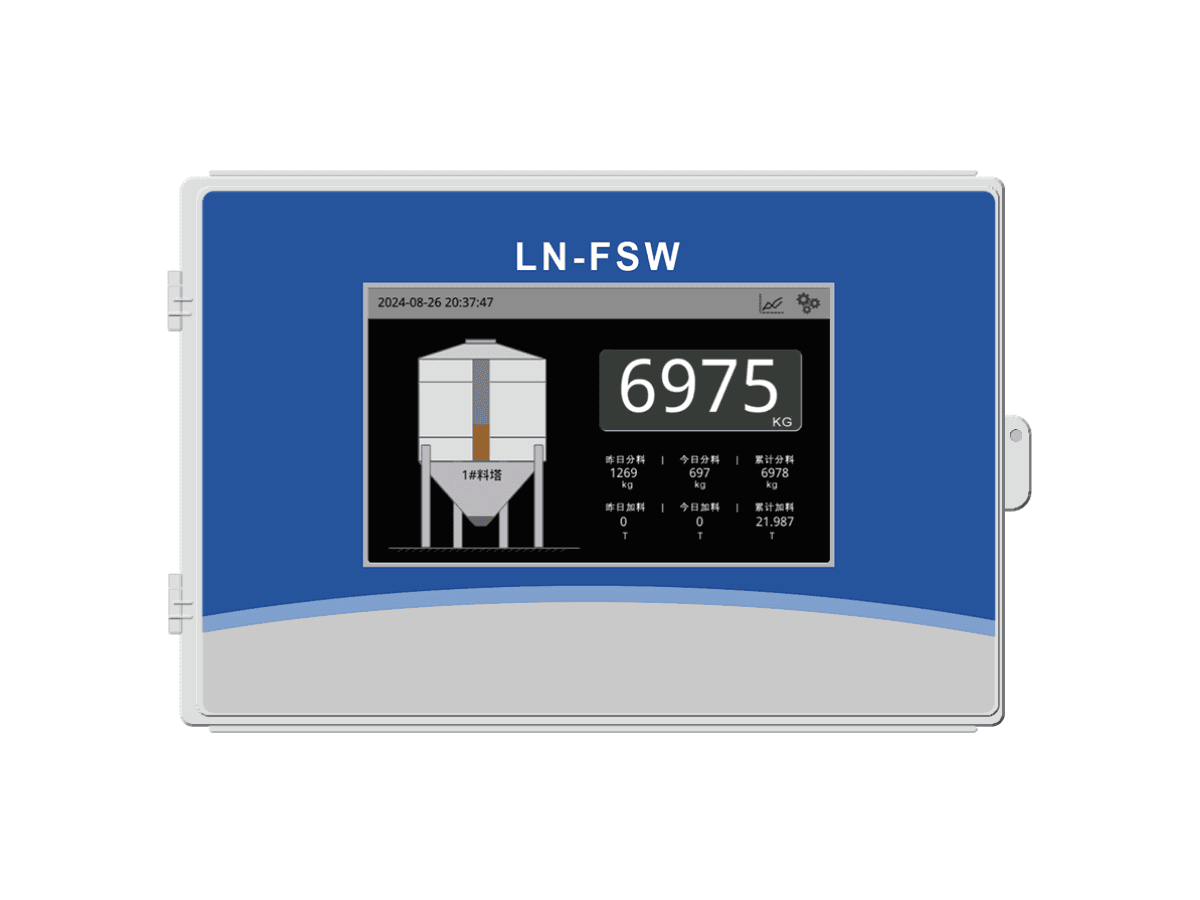
The digital feed silo weighing system measured the remaining feed and recorded daily consumption. When the feed inventory fell below the defined threshold, the weighing controller transmitted a low-feed signal to the alarm system.
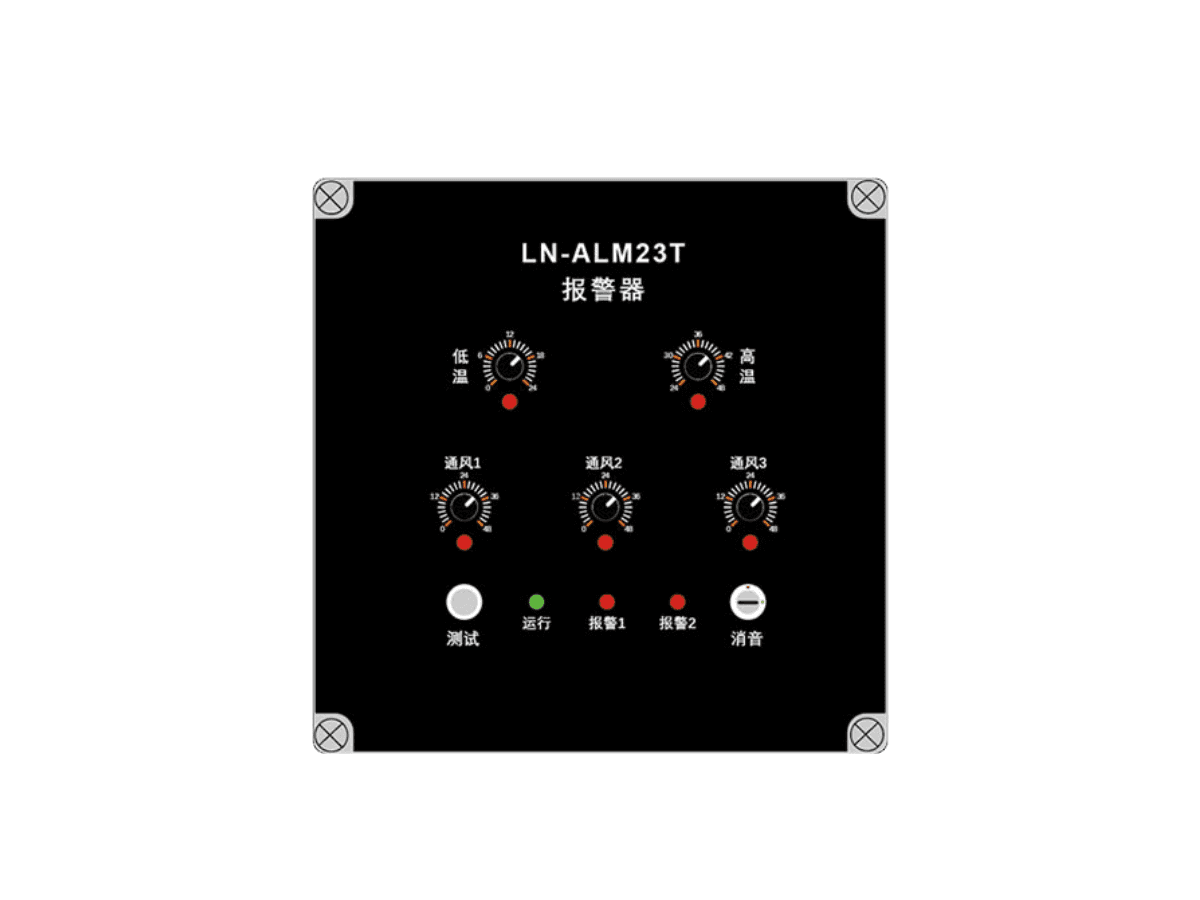
The independent poultry house alarm controller collected information from the LINO Touch MAX controller, silo weighing equipment, fan circuits and power supply. Instead of checking several electrical panels, farm personnel could identify different fault categories from one alarm terminal.
The private-label design was completed in parallel. We adapted cabinet graphics, logos, interface colours, screen layouts and printed materials to the customer’s branding requirements. Russian and English operating screens were prepared for local staff.
Completing the poultry feeding and climate control integration at the factory reduced the risk of finding incompatible signals only after the equipment had reached Central Asia.
3. Producing the Private-Label Poultry Equipment in 12 Days
Once the electrical drawings, communication logic and appearance were approved, all control products entered production together.
This parallel workflow was an important part of the delivery strategy. If the LINO Touch MAX controller, feed weighing system and alarm equipment had come from separate manufacturers, each product would have followed a different drawing approval, production and testing schedule.
Instead, the project was manufactured as one integrated OEM poultry equipment package.
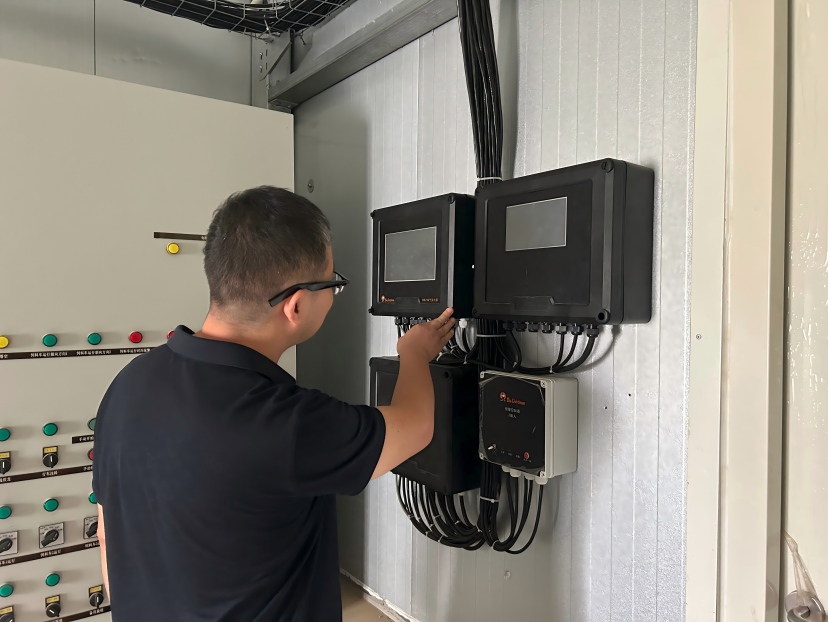
OEM Poultry Climate Controller
The controller included multiple environmental inputs and automatic control functions for fans, cooling pads and heating equipment. Dedicated ports were reserved for communication with the feeding, weighing and alarm systems.
Feed Silo Weight Monitoring Solution
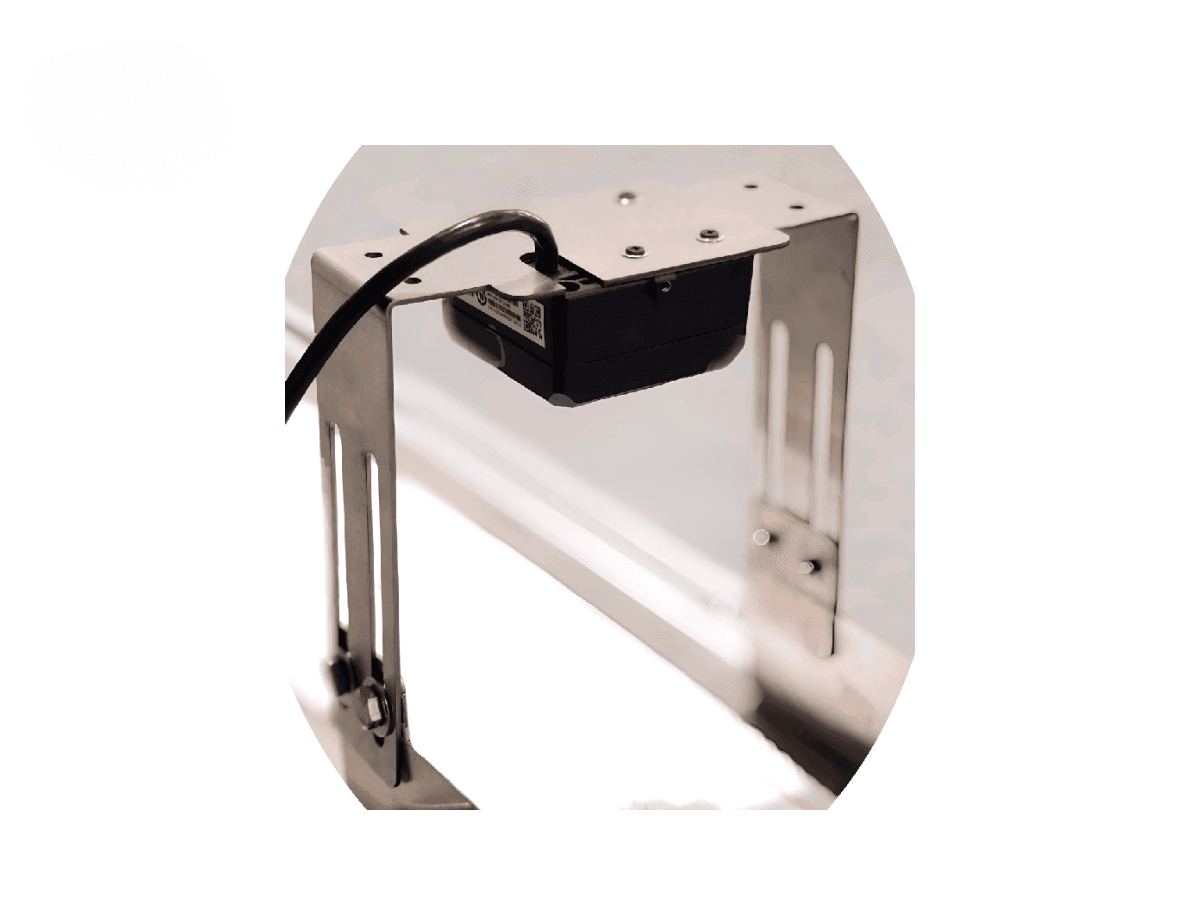
The weighing system used high-precision sensing components and mounting assemblies suitable for galvanized poultry feed silos. It provided feed inventory data, daily usage records and automatic low-feed warnings.
Remote Poultry Farm Alarm System
The alarm controller received multiple fault signals, including high temperature, low temperature, excessive ammonia, feed shortage, fan stoppage, power loss and weighing-system faults.
It supported local audible and visual warnings together with remote notifications, making it suitable for farms with limited personnel on duty.
Integrated Fan Control Panels
IP55 fan control panels were connected to the common alarm circuit. Fan overload, short circuit or power interruption could therefore trigger an immediate warning.
Production, OEM branding, wiring inspection and aging tests were completed in 12 days. Every alarm controller was tested with simulated faults before packing.
The full shipment then left by container without delaying the farm’s construction schedule.
4. Installing the Control System with Existing Feeding Equipment
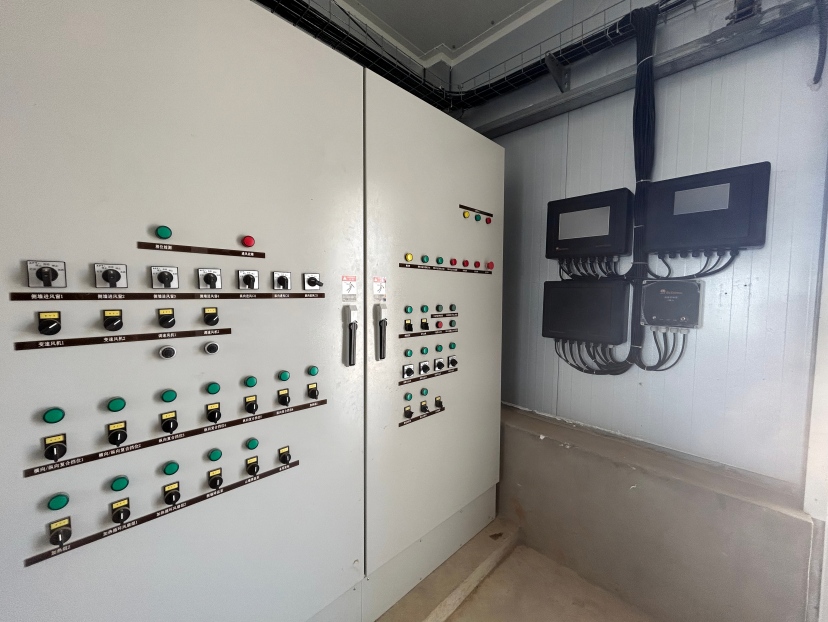
After the equipment arrived in Kyrgyzstan, our engineers worked alongside the local installation team to complete wiring, equipment connection and functional inspection.
The original feed silos and pan-feeding lines did not require structural modification.
The weighing system for poultry feed silos was installed at each storage unit. Feed inventory and consumption data were transmitted to the control room. When the remaining feed dropped below the selected level, the system generated a warning through the OEM alarm controller.
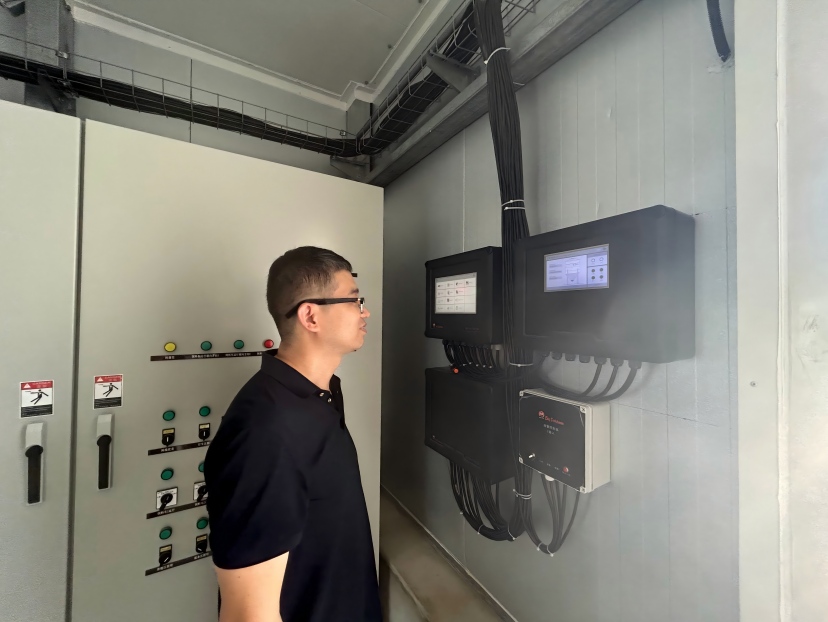
Inside each poultry house, the LINO Touch MAX controller was connected to temperature, humidity and ammonia sensors, as well as the ventilation and cooling equipment.
When an environmental value moved beyond the safe operating range, two actions occurred:
1. the LINO Touch MAX controller adjusted the relevant ventilation or cooling equipment;
2. the alarm controller recorded and reported the abnormal condition.
This created an additional layer of protection around the environmental control process.
The alarm terminal also collected power-loss, fan-failure, low-feed and weighing-sensor warnings. Local operators could view the fault category on one screen instead of walking between several cabinets.
Some local electricians had limited experience with poultry farm control system integration. We therefore divided the wiring into testable sections and verified each circuit before completing the final connection.
Practical instruction was provided throughout the installation rather than being left until the handover stage.
Because the interface logic and wiring plan had already been tested in our factory, installation was completed 10 days earlier than the customer had originally expected.
5. Commissioning the Climate, Feed and Alarm Systems
On-site commissioning took eight days.
The work covered environmental control, feed weighing, alarm response, fan faults, power interruption and data communication. The objective was not simply to switch on each touchscreen. We needed to verify how the complete system responded when realistic operating conditions were introduced.
The region can experience a daytime-to-nighttime temperature difference of approximately 20°C. Our engineers therefore adjusted the climate-control sequence and set project-specific temperature and ammonia alarm thresholds.
During the agreed test conditions, temperature fluctuation inside the poultry house was maintained within ±1°C.
Each weighing module was calibrated individually. The recorded weighing deviation was controlled within ±0.5 kg.
We then created a simulated low-feed condition. After the feed quantity crossed the selected threshold, the local audible and visual warning and the remote message were triggered within three seconds.
The team also tested a poultry house power failure alarm and simulated fan stoppages. Under the tested backup arrangement, the independent alarm controller continued operating and retained the fault record.
This was particularly important for a farm in an area where temporary power interruptions may occur.
Following commissioning, the complete poultry climate and feed monitoring system entered a continuous 72-hour trial run. Environmental data, feed information and alarm records were checked throughout the test.
The result was not simply a group of connected control boxes. It was one operating process in which climate management, feed inventory and equipment fault monitoring supported each other.
6. Training, Handover and Lessons for Central Asian Buyers
After the 72-hour trial operation, we provided three days of on-site training.
Participants included the farm manager, electricians and local service personnel. The sessions covered climate parameter adjustment, feed-data review, alarm-threshold settings, fault identification and basic troubleshooting.
The customer also received private-label bilingual operating materials containing equipment instructions and fault-code information.
During the final handover, the farm team highlighted two practical benefits.
First, climate, feed and equipment faults could be viewed through one alarm system. This reduced the time required to identify a problem and avoided the need to purchase separate alarm devices from several suppliers.
Second, the coordinated OEM workflow reduced project delays. The LINO Touch MAX controller, weighing equipment and alarm system were designed, manufactured, delivered and commissioned as one package.
The same approach can support poultry projects in Kyrgyzstan, Kazakhstan, Uzbekistan and other Central Asian markets. However, a reliable Central Asia poultry farm equipment solution must be configured around the actual feeding system, electrical design, local voltage and operating environment.
Before choosing a supplier, poultry farm owners and engineering contractors should confirm:
· whether the supplier develops its own control software;
· whether climate, weighing and alarm products can be tested together;
· whether communication requirements are verified before shipment;
· whether interfaces and documentation can be localized;
· whether remote or on-site commissioning is available;
· whether spare parts and technical support can be supplied after installation.
A capable private-label poultry equipment manufacturer should provide more than a branded enclosure. It should reduce the technical uncertainty between factory production and farm operation.
Frequently Asked Questions
Can the poultry farm alarm controller be purchased separately?
Yes. The alarm controller can be supplied as an independent private-label product. It may be connected to compatible LINO Touch MAX controllers, weighing systems, fan circuits and power monitoring equipment after the signal and communication requirements have been confirmed.
How long does OEM poultry control equipment production take?
For standard configurations, private-label production, wiring inspection and aging tests can normally be completed within 10 to 15 days after the technical drawings, logo files and interface requirements have been approved.
Can the system work with existing poultry feeding equipment?
Yes, provided that the electrical signals, communication protocol and project configuration can be confirmed in advance. Our engineers review the existing feeding equipment before preparing the control and alarm integration plan.
Does the feed weighing system provide consumption data?
Yes. The poultry feed consumption monitoring system can display current silo inventory and record daily feed usage. Low-feed thresholds can also be configured to trigger local or remote alarms.
Can the alarm system send remote notifications?
Remote notification functions can be configured according to the selected model, network conditions and project requirements. Options may include mobile messages or application-based alerts.
Is overseas installation and commissioning available?
For qualified projects, our technical team can provide on-site installation support, controller configuration, alarm testing and operator training. Remote commissioning support can also be arranged for suitable projects.
Need a Custom Poultry Control System?
Illinois supplies poultry LINO Touch MAX controllers, feed silo weighing systems, farm alarm controllers and integrated fan control equipment for commercial poultry projects.
Our services include:
· private-label controller design;
· customized touchscreen interfaces;
· communication protocol development;
· climate and feeding equipment integration;
· feed inventory and consumption monitoring;
· local and remote farm alarm systems;
· factory simulation and aging tests;
· overseas installation and commissioning;
· operator training and technical documentation.
Send us your poultry-house layout, number of feed silos, feeding equipment model, local voltage, required alarm method and branding files.
Our engineering team will prepare a project-specific OEM poultry farm automation proposal, product configuration, production schedule and quotation.
Related Guides & Projects
For inventory measurement and commissioning considerations, see our feed silo weighing technical guide.
For more in-depth guidance on overseas equipment sourcing, continue reading our related guide on livestock climate control equipment sourcing for overseas projects.