How Can Poultry Growers Stop Rising Energy Costs From Eating Their Bottom Line
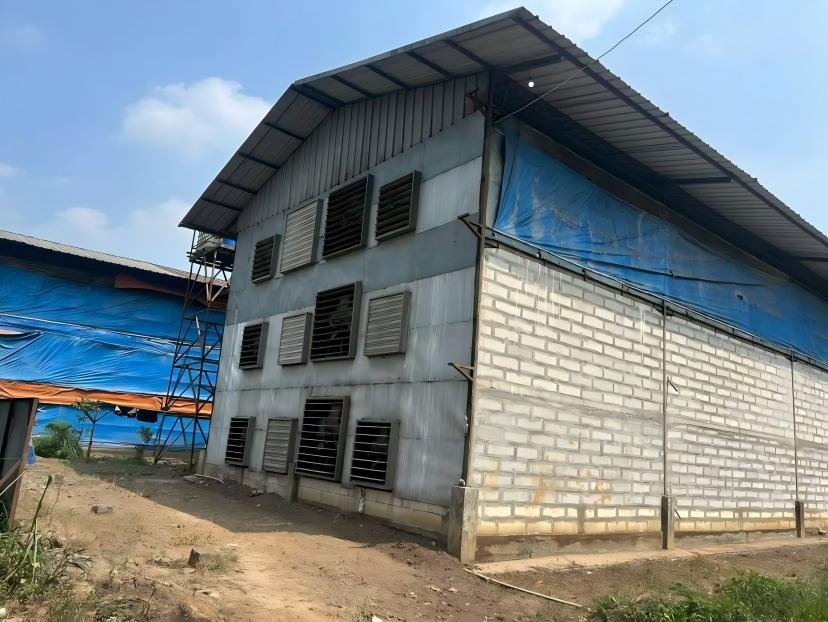
If you run a commercial poultry farm, whether you operate large-scale barns in China or intensive closed poultry houses across Indonesia, Central Asia and other Southeast Asian markets, you’ve almost certainly felt the pinch of skyrocketing utility prices in recent years.
We’ve spoken with dozens of medium-sized broiler producers at overseas livestock expos, and nearly all of them shared the same financial headache: heating gas bills for cold seasons and year-round electricity for ventilation fans now account for 12% to 18% of their total production costs. When feed prices or chick costs shift even slightly, these bloated energy expenses can quickly turn a profitable flock into a losing one.
Most growers want to bring their utility spending down, yet they lack a simple, actionable way to hunt down energy waste on their own property. Many know their bills are too high but cannot pinpoint where gas and power are being wasted. Even when they spot obvious issues like leaky barn walls or inefficient fans, they don’t know which hardware upgrades deliver reliable, long-term savings.
Drawing on our long-term OEM/ODM supply partnerships with global livestock equipment leaders Big Dutchman and GSI, plus real-world performance data collected from tens of thousands of poultry barns worldwide, we’ve put together a practical nine-point self-audit checklist farmers can complete without outside technicians. Alongside each audit tip, we share targeted equipment upgrades designed to eliminate unnecessary gas and power consumption at the source.
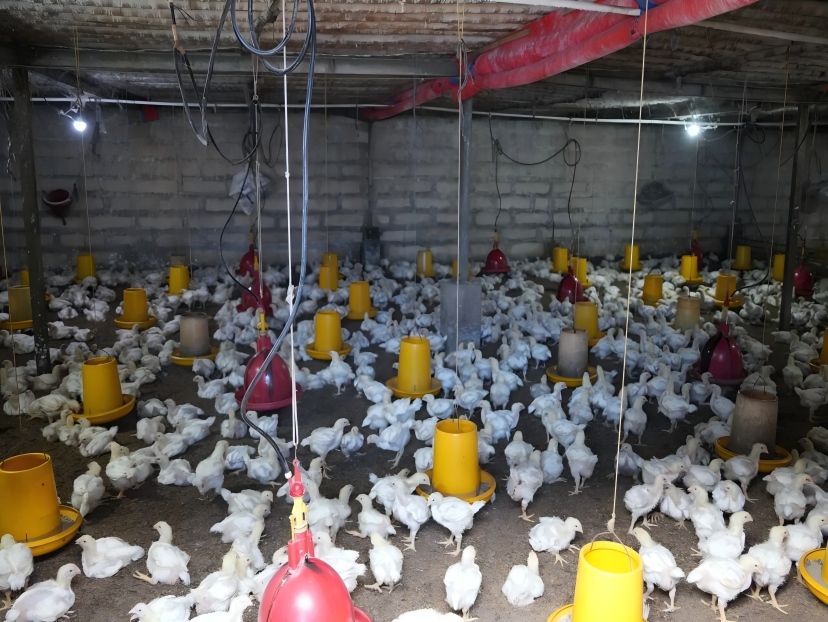
1. Restructure Your Gas Procurement Strategy To Lock In Lower Heating Fuel Prices
Common Pain Point For Medium & Small Poultry Farms
Most independent growers buy gas on a monthly ad-hoc basis, leaving them fully exposed to volatile market pricing. During peak winter heating demand, gas rates can jump by more than 15%, immediately pushing up seasonal heating overheads. Few small operators join bulk purchasing groups to secure discounted long-term supply contracts.
DIY Audit & Cost-Saving Practices
- Farm operators can combine four purchasing strategies to stabilize fuel costs: group bulk purchasing with nearby farms, advance pre-payment contracts to lock fixed rates, off-season stockpiling, and spot market buys only for emergency shortfalls.
- Group procurement with neighboring growers + advance deposits: Pooled order volumes let you negotiate fixed low gas prices and avoid seasonal price surges.
- Off-season bulk storage: Secure larger fuel reserves during low-demand summer months to average out yearly gas expenses.
- Spot market purchases should only be used as a last-minute backup, as unpredictable price swings carry major financial risks.
Supporting Hardware To Track & Compare Fuel Expenses
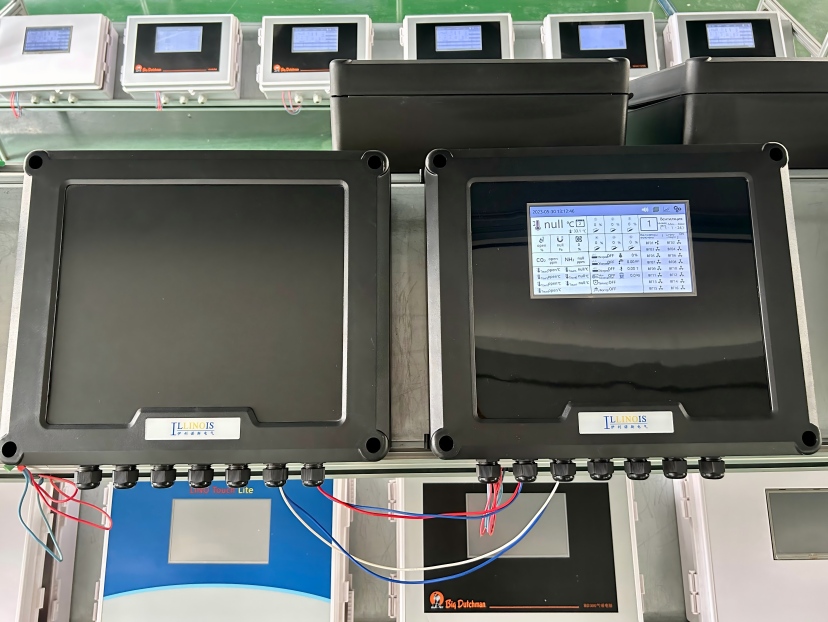
Our Lino Touch intelligent climate control system comes with a built-in heating energy monitoring module. It automatically logs daily gas consumption and heating run hours, generating clear data comparisons across different purchasing cycles. This lets producers easily calculate which gas buying strategy delivers the best long-term value for their facility.
2. Seal Barn Walls & Roofs To Stop Unnecessary Heat Loss
Core Operational Issue
Older poultry barns develop persistent air gaps around side walls, curtain edges, roof seams and inlet shutters over time. Warm interior air constantly leaks outside during cold weather, forcing heaters to run nonstop and burning through excessive volumes of gas. Most farms never conduct a full airtightness inspection, throwing away more than 20% of their heating fuel each year due to uncontrolled drafts.
Step-by-Step Inspection & Remediation Plan
- Walk through every section of side walls, end walls, roof panels, door frames and ventilation curtains to locate gaps. Four affordable sealing solutions work well for most barns: spray foam insulation, waterproof plastic sheeting, custom wind baffles, and reinforced insulated curtains.
- Industry field data confirms a fully airtight poultry house can cut winter heating gas usage by up to 25%.
Matching Control Hardware For Draft Detection & Regulation
- We install high-precision temperature, humidity and negative pressure ventilation sensors at draft-prone corners throughout the barn. The Lino Touch controller instantly flags abnormal local temperature drops, alerting farm staff to hidden air leaks.
- The system also syncs with motorized sidewall air inlets, automatically adjusting shutter opening sizes to limit cold outdoor air intake and reduce heat escape.
3. Boost Wall & Roof Insulation To Minimize Heat Dissipation
Widespread Barn Flaw
Basic low-cost poultry structures built years ago lack proper insulation layers. Walls and roof panels rapidly transfer interior heat outdoors in cold weather, forcing heating units to operate at full capacity nonstop. Some growers add thin, low-grade insulation blankets, but these fail to hit required thermal resistance standards and deliver barely measurable energy savings.
On-Site Audit & Renovation Guidance
For standard enclosed poultry houses, target an overall thermal resistance (R-value) of 1.2–1.4 m²·K/W across walls and roofing. Two effective retrofit options are thick upgraded insulation batts and on-site spray foam insulation coating. While this upgrade carries an upfront material investment, most operations recover the full cost within three to five months through reduced gas bills, with consistent savings every production cycle afterward.
How Our Climate Controller Optimizes Heating For Poorly Insulated Zones
The control system collects separate temperature readings from ceiling, wall and floor zones across the barn. It automatically identifies areas with weak insulation and adjusts heater output accordingly, preventing continuous high-power heating in draft-prone, poorly insulated spots that waste gas.
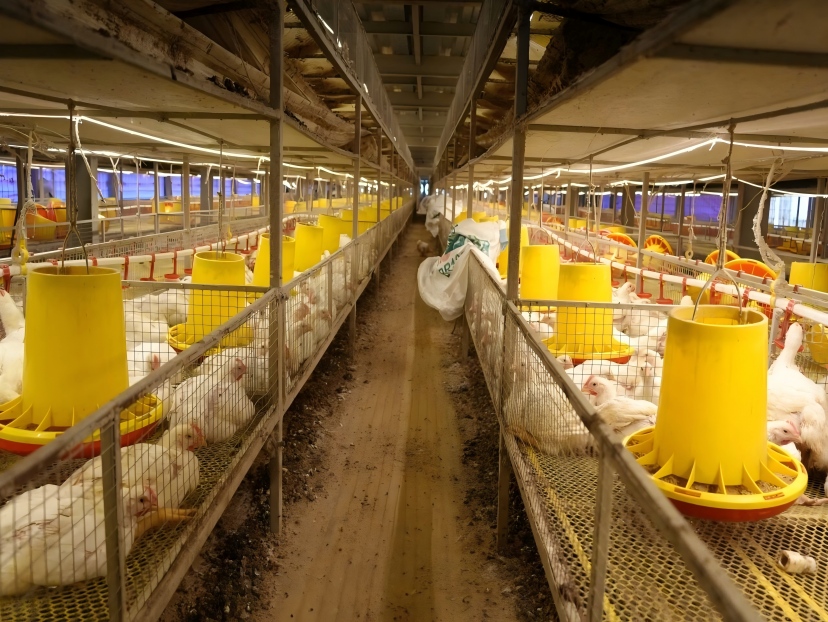
4. Implement Precision Time-Based Ventilation To Avoid Over-Ventilation Fuel Waste
Grower’s Constant Dilemma
Most farm crews rely on manual judgment to toggle fans and adjust air inlets. In cold weather, over-ventilation flushes precious warm air out of the barn, triggering constant heater reactivation. On the flip side, insufficient air exchange builds toxic ammonia levels that damage flock health. Farmers get stuck between wasting gas or risking poor bird performance.
Daily Ventilation Audit Routine For Cold Months
During low-temperature periods, carefully match the number and opening size of air inlets to the number of active fans to maintain minimum necessary ventilation. The goal is to remove harmful gases while retaining as much interior heat as possible. Record barn temperature, humidity and ammonia levels three times daily to tweak ventilation schedules consistently.
Premium Hardware Solution: Automated Multi-Variable Climate Control
- Our flagship Lino Touch LINO Touch MAX controller runs multi-factor linked algorithms that pull real-time data from temperature, humidity, ammonia and CO₂ sensors. It automatically adjusts fan speed, inlet shutter position and heater activation in staged increments.
- When temperatures drop, the system switches to dedicated minimum ventilation mode that eliminates human error and over-ventilation. Large commercial barns using this automated setup report an 18% to 28% reduction in seasonal heating gas consumption.
5. Install Circulation Stirring Fans To Balance Barn Temperatures & Lower Heating Loads
Hidden Energy Waste From Stratified Air
Closed poultry barns frequently suffer thermal stratification: hot air accumulates near the ceiling while cool air settles at floor level where birds live. Farmers respond by cranking up overall barn heat, doubling gas consumption. Cool, damp air near litter also accelerates ammonia buildup, requiring longer fan run times and creating dual utility costs.
Most Cost-Effective Retrofit For Older Barns
Adding air circulation stirring fans delivers one of the fastest returns on investment for aging poultry facilities. The units eliminate temperature layering and cut excess floor moisture, reducing heating gas use by as much as 25%. They also improve litter quality and slow ammonia formation. The upgrade carries low upfront costs and delivers visible savings immediately for both new and retrofitted barns.
Our Energy-Saving EC Stirring Fan Lineup
All our circulation fans use brushless EC motors that consume over 40% less electricity than traditional copper-wound single-speed fans. Corrosion-resistant outer casings stand up to year-round high humidity and ammonia inside poultry houses. The fans sync seamlessly with the Lino Touch controller and activate automatically once temperature stratification thresholds are crossed, with zero manual operation required.
energy-efficient 50-inch livestock ventilation fan
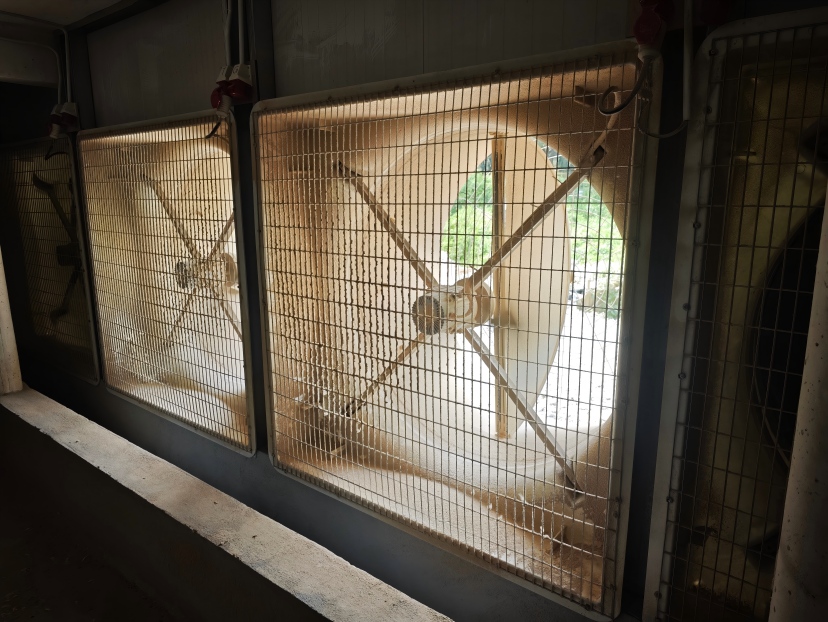
6. Optimize Litter Care & Amendments To Cut Ventilation Runtime
Hidden Cost Of Poor Litter Management
Wet, caked litter drives ammonia concentrations sharply higher inside barns. Farmers are forced to run exhaust fans for extended hours to vent toxic fumes, pushing monthly electricity costs higher. Degraded litter also causes foot lesions and respiratory issues in flocks, raising mortality rates and adding unplanned veterinary expenses.
Daily Litter Management Audit & Improvement Steps
Turn litter regularly, maintain appropriate stocking densities, and use approved litter amendments to trap ammonia at the source. Lower baseline gas levels inside the barn reduce required fan operation hours, while supporting consistent bird health and cutting secondary production losses.
Sensor-Linked Ventilation Logic To Reduce Fan Runtime
Standalone ammonia sensors monitor gas levels above litter beds in real time. The controller prioritizes running low-power circulation fans to mix interior air first, only activating high-volume exhaust fans when ammonia thresholds are breached. This avoids running heavy-duty ventilation systems around the clock and slashes electricity waste.
7. Schedule Regular Heater & Gas Line Maintenance To Stop Undetected Fuel Leaks
Risk Of Neglected Heating System Upkeep
Few farms stick to quarterly maintenance schedules for gas heating hardware. Aging gas hoses, loose pipe connections and carbon buildup on burners create incomplete combustion, meaning more gas burns to deliver the same heat output. Undetected leaks also present serious fire and safety hazards for barn staff and livestock.
Monthly & Quarterly Maintenance Checklist
Inspect gas pressure levels, hose aging and pipe connection tightness every month. Complete deep cleaning of burner carbon deposits every three months to guarantee full gas combustion. This simple routine eliminates invisible fuel waste while removing dangerous leak risks.
Optional Safety & Energy Monitoring Add-On
The climate control system supports external gas leak alarm modules. If gas leakage is detected, the unit automatically cuts heating power and sends mobile alerts to farm managers, combining energy conservation with critical barn safety protection.
LN-9900 intelligent environmental controller
8. Upgrade To High-Efficiency EC Exhaust Fans To Cut Overall Ventilation Power Bills
Drawbacks Of Conventional Single-Speed Fans
Older induction fans suffer high motor energy loss and degrade quickly in damp, corrosive barn air. Clogged fan shutters reduce airflow efficiency over time, forcing operators to run extra fans to compensate and inflating electricity bills. Incandescent barn lighting adds further unnecessary power draw every day.
Annual Fan System Audit & Upgrade Plan
Clear dust buildup from fan shutters monthly and service fan bearings once per year. Gradually phase out outdated low-efficiency fans and select models with higher airflow-to-wattage ratios (m³/h/W). Pair fan upgrades with LED lighting replacements to cut constant background power usage.
Flagship Energy-Saving Fan Product For Global Tropical Farms
- Our 57-inch EC tunnel exhaust fans feature fully sealed anti-corrosion motors with wide voltage compatibility, delivering stable airflow even amid inconsistent power grids common across Indonesia and Southeast Asia. They use over 35% less electricity than standard fans while moving equivalent air volumes. For larger barns with heavier ventilation loads, a 2.2KW HNRK160 EC motor delivers the same energy-saving brushless performance at higher duty cycles.
- The Lino Touch controller provides stepless fan speed regulation, adjusting rotation to match exact ventilation demand instead of running fans at full power nonstop. All units receive heavy-duty anti-rust coating to withstand continuous high-humidity, ammonia-heavy tropical barn environments, extending service life and lowering repeat equipment replacement costs.
9. Integrate Alternative Energy Sources To Reduce Long-Term Fossil Fuel Reliance
Vulnerability Of Single-Source Energy Farms
Facilities relying solely on grid electricity and natural gas face immediate cost spikes whenever energy market prices rise, with no alternative fuel source to offset increased overheads.
Renewable Energy Integration Roadmap
Operations with available space can supplement heating with biomass fuels like wood shavings or corn waste, or install solar thermal heating systems. Solar air intake panels fitted to barn attics preheat incoming cold air during winter, cutting gas heating requirements by roughly 10%.
Compatibility Of Our Control System With Hybrid Energy Setups
The Lino Touch LINO Touch MAX controller supports multi-heat-source coordination and seamlessly connects with solar heat exchangers and biomass heating furnaces. It automatically switches between fuel sources to prioritize low-cost renewable energy and minimize natural gas consumption wherever possible.
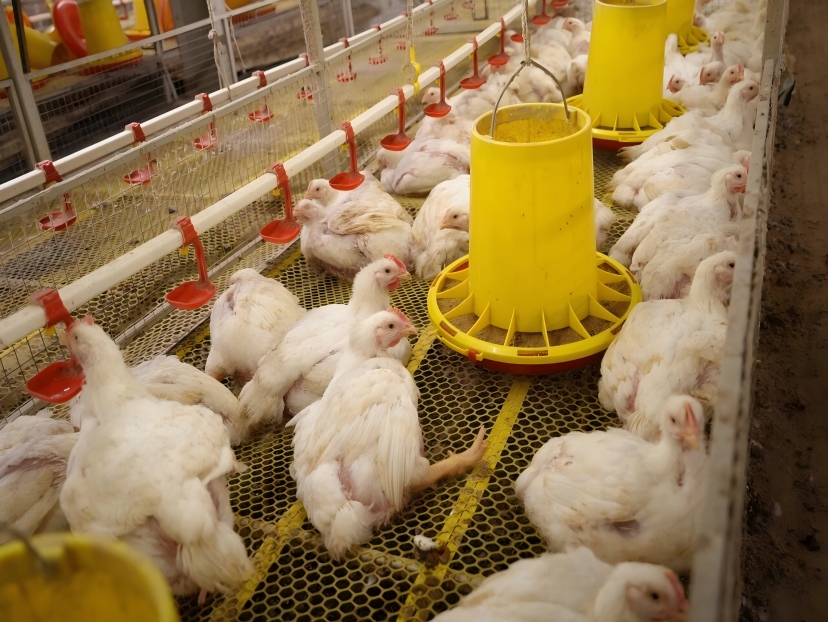
Farmers can implement all nine energy audit steps independently to map out every source of gas and power waste on their property. However, manual management routines alone cannot lock in consistent long-term utility reductions. Automated climate control systems and high-efficiency EC ventilation fans are essential permanent upgrades to stabilize energy spending year after year.
As a verified long-term core component supplier for global livestock equipment giants Big Dutchman and GSI, our Lino Touch LINO Touch MAX controllers and full lineup of anti-corrosion EC fans have completed long-term field testing on commercial barns across temperate and tropical regions including China, Indonesia and Central Asia.If you are struggling with inflated gas and electricity bills at your poultry facility, reach out to our technical team for customized energy-saving barn layout plans, real overseas farm utility comparison case studies, and complete ventilation and climate control packages tailored to your barn dimensions and local climate conditions.
Related Guides & Projects
For real-world application references, see our project case studies such as Big Dutchman climate control and ventilation partnership.
For more in-depth guidance, continue reading our related guide on poultry house ventilation design and fan selection.