What Should You Check During a Daily Poultry House Inspection to Reduce Mortality
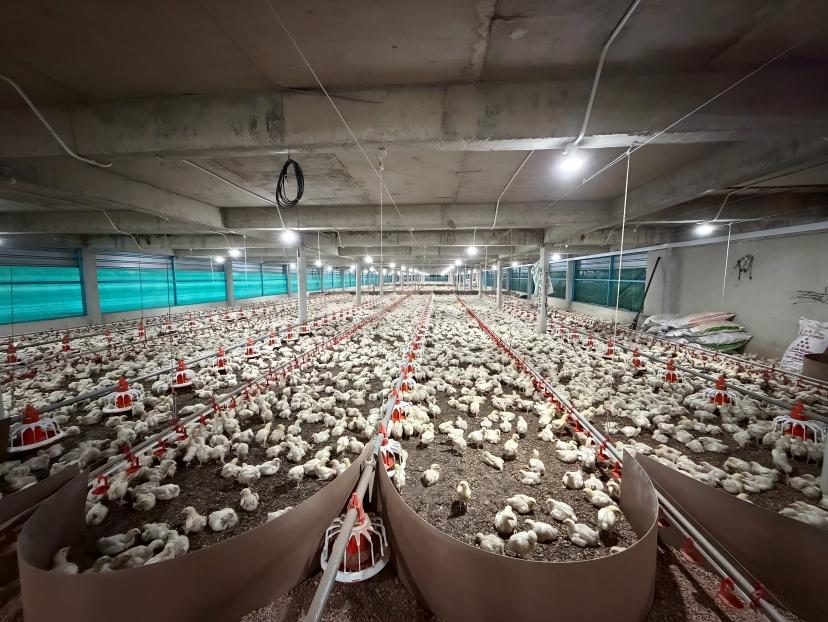
Why Can a Simple Daily Poultry House Inspection Save Thousands in Production Costs?
Running a commercial poultry farm is about much more than providing feed and water. Whether you manage a broiler farm, a layer farm, or a large integrated poultry operation, small problems often develop long before they become expensive ones. A blocked nipple drinker, uneven ventilation, damp litter, or unusual flock behavior may seem insignificant at first, but if these warning signs go unnoticed, they can quickly lead to higher mortality, lower feed efficiency, poor flock uniformity, and unnecessary energy consumption.
After supporting poultry equipment projects in Southeast Asia, the Middle East, Africa, and other livestock-producing regions, our technical team has noticed the same pattern across farms of different sizes. Most production losses are not caused by sudden disease outbreaks. Instead, they result from routine management details that are overlooked day after day. A consistent daily poultry house inspection helps identify these issues before they affect flock performance, making it one of the most cost-effective management practices for modern poultry production.
This guide summarizes a practical daily poultry house inspection checklist based on real-world farm operations. It covers environmental monitoring, flock observation, automated equipment inspection, biosecurity, lighting management, and energy-saving practices. Whether you operate a 20,000-bird broiler house or a multi-house commercial layer farm, following a standardized inspection routine can help improve bird welfare, reduce operating costs, and support more stable production throughout every growing cycle.
How Often Should You Inspect a Poultry House? Build a Standardized Routine That Works
One of the biggest differences between high-performing poultry farms and those that struggle with inconsistent production is not the type of equipment they use—it's the consistency of their daily management. On many commercial farms, inspections become a quick walk-through with little documentation, making it difficult to identify recurring issues or improve management over time.
A practical poultry farm daily inspection routine should include at least two complete inspections per poultry house every day. During brooding, periods of extreme heat, or sudden weather changes, adding a third inspection is strongly recommended to ensure environmental conditions remain stable. Rather than relying solely on climate control systems, farm managers should physically observe the birds, inspect equipment, and verify that environmental conditions match what the control panel displays.
Every inspection should be recorded using a standardized checklist that includes the inspection time, the person responsible, unusual observations, and any corrective actions taken. Over multiple production cycles, these records become valuable management data. They help identify patterns such as repeated ventilation imbalances during hot afternoons, recurring drinker line leaks in specific sections of the house, or seasonal increases in ammonia levels. By reviewing this information regularly, farm managers can make preventive adjustments instead of reacting after performance has already declined.
A standardized daily poultry house inspection checklist does more than improve record-keeping. It creates a repeatable management system that supports better flock health, lower mortality, improved production efficiency, and more predictable operating costs—regardless of whether the farm is located in tropical, temperate, or cold-climate regions.
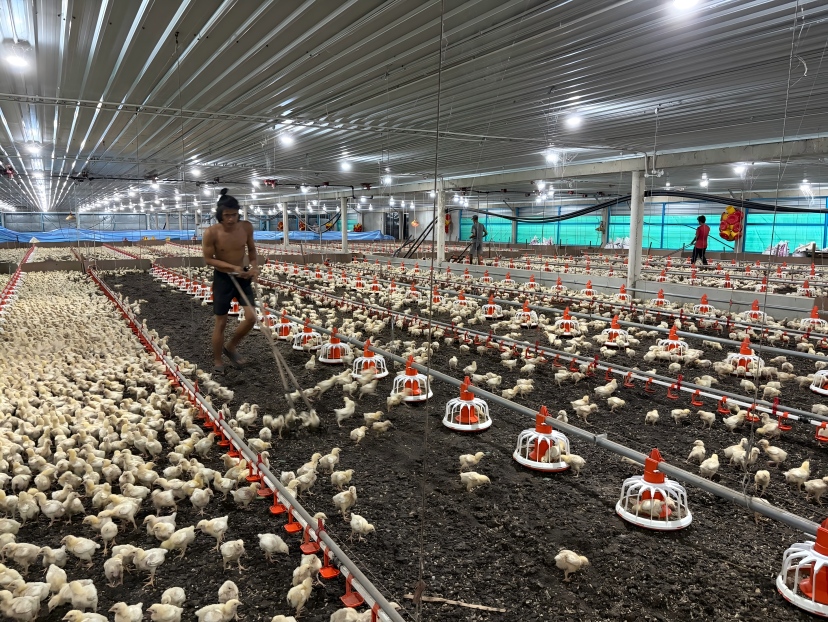
What Should You Check During Every Daily Poultry House Inspection?
A successful commercial poultry house inspection is not about checking every piece of equipment individually. Instead, it should follow a logical sequence that allows farm managers to identify potential problems quickly and take corrective action before flock performance is affected. The five inspection areas below are considered essential on many commercial poultry farms because they have the greatest impact on bird health, production efficiency, and operating costs.
1. Evaluate the House Environment Before Looking at the Equipment
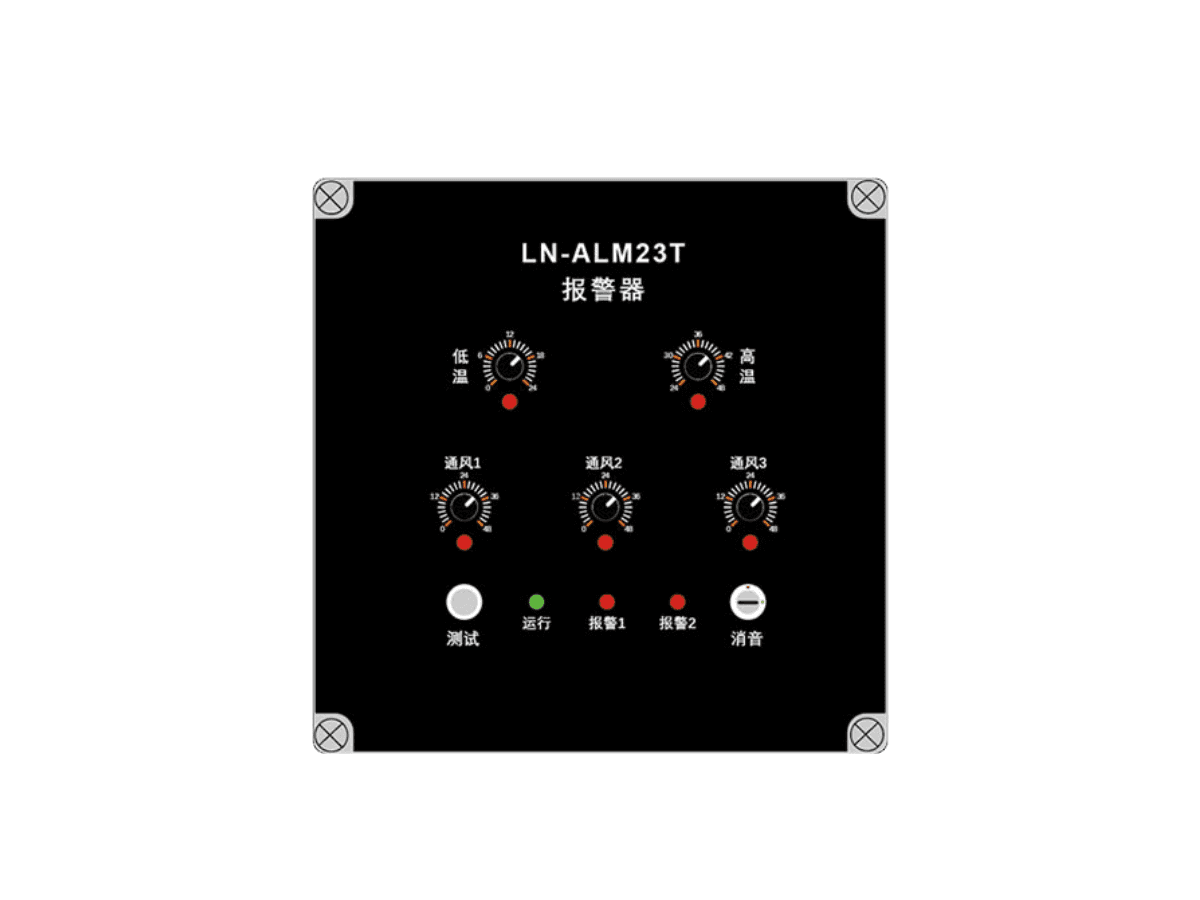
The first priority is always the poultry house environment. Check the temperature, humidity, airflow, litter condition, and ammonia level immediately after entering the house. An independent temperature alarm helps catch dangerous swings between manual checks. Do not rely only on environmental controller readings. Walk through different sections of the building and compare the displayed data with actual flock conditions.
Dry, loose litter, fresh air, and evenly distributed birds usually indicate that the ventilation system is performing well. In contrast, wet litter, strong ammonia odors, or birds gathering in certain areas often suggest that ventilation or temperature settings require adjustment.
2. Observe Flock Behavior for Early Warning Signs
Bird behavior provides valuable information long before production data changes. Healthy birds should be evenly distributed throughout the house, actively eating and drinking, and moving normally.
Pay close attention to common warning signs, including:
· Birds crowding together, which may indicate low temperature or unwanted air drafts.
· Birds panting with open beaks, suggesting heat stress or inadequate ventilation.
· Sudden increases in water consumption, which may signal health issues or feed formulation changes.
· Birds reluctant to walk, potentially indicating poor litter quality or early leg and foot problems.
Daily flock observation remains one of the simplest and most effective methods for early disease detection in poultry farms.
3. Verify Automated Feeding and Drinking Systems
Modern poultry farms rely heavily on automated feeding and drinking equipment, making routine inspection essential. Check for leaking drinker lines, blocked nipples, unstable water pressure, abnormal feeder noise, and uneven feed distribution.
Small equipment issues can quickly reduce feed intake, increase litter moisture, and affect flock uniformity if left unresolved. Adjust feeder and drinker heights regularly according to bird age to ensure easy access throughout the production cycle.
4. Confirm Biosecurity Procedures Are Being Followed
Biosecurity inspections should extend beyond disinfectant footbaths. Verify that visitor access is controlled, protective clothing procedures are followed, and service personnel comply with farm entry protocols.
For medium and large poultry operations, visitor registration and communication before entering production areas help reduce unnecessary disease risks. Consistent biosecurity practices remain one of the most effective ways to protect flock health.
5. Inspect the Poultry Lighting System
Lighting directly influences bird activity, feed intake, growth, and egg production. During every inspection, confirm that lighting intensity and schedules match the flock's production stage and that all fixtures operate normally.
Many commercial farms are replacing traditional lighting with energy-efficient LED poultry lighting systems, which provide more consistent illumination, reduce electricity consumption, and support programmable lighting schedules for improved flock management.
By following these five inspection priorities every day, farm managers can detect small operational issues before they develop into costly production losses, creating a more stable, efficient, and profitable poultry operation.
How Can Daily Inspections Help Reduce Energy Costs on a Poultry Farm?
For many commercial poultry farms, electricity and fuel remain two of the largest operating expenses after feed. While investing in energy-efficient equipment is important, significant savings often come from something much simpler—identifying small inefficiencies during the daily inspection before they become long-term losses.
Start with the Brooding Area
During the brooding period, heating systems often operate continuously. Instead of maintaining the same temperature across the entire house, many successful farms create smaller brooding zones and gradually expand the heated area as chicks grow. During each inspection, observe bird distribution rather than relying only on temperature sensors. If chicks are evenly spread and active, the heating program is usually appropriate. Overheating not only wastes energy but can also reduce feed intake and increase dehydration.
Check Whether the Ventilation System Is Working Efficiently
Ventilation should remove heat, moisture, dust, and harmful gases while avoiding unnecessary power consumption. During routine inspections, look beyond the controller screen. Dirty fan blades, blocked air inlets, damaged shutters, or poor airflow distribution can reduce ventilation efficiency even when fans appear to be operating normally.
Many farms are also upgrading to high-efficiency EC ventilation fans powered by 1.1KW HNRK160 motors, which automatically adjust fan speed according to environmental demand. Compared with conventional motors, EC technology helps reduce electricity consumption while maintaining more stable airflow throughout different seasons.
Eliminate Hidden Water and Power Waste
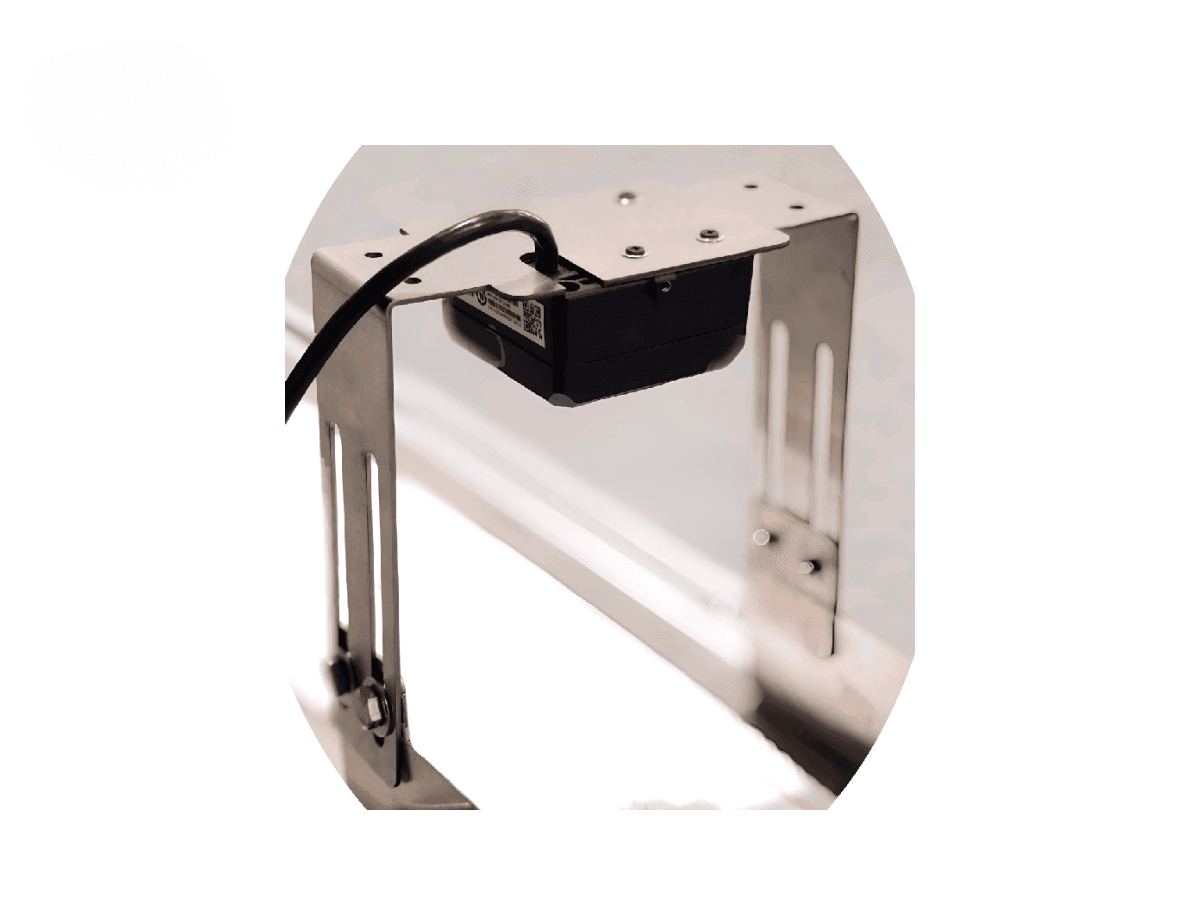
Small leaks in drinker lines are often overlooked because they develop gradually. However, even a minor leak can keep litter wet, increase ammonia production, and force ventilation fans to work harder to remove excess moisture. Likewise, automated feeding systems should run only when required. Unnecessary operating cycles increase electricity use and accelerate equipment wear. A three-phase power monitoring alarm can flag phase loss, voltage imbalance and unexpected power failures that often go unnoticed until equipment stops.
Simple checks performed every day—such as inspecting drinker lines, cleaning ventilation equipment, verifying lighting schedules, and confirming that automated systems operate correctly—can significantly reduce operating costs over multiple production cycles. On large commercial poultry farms, these routine improvements often deliver greater long-term savings than many expensive equipment upgrades because they prevent waste before it occurs rather than correcting it afterward.
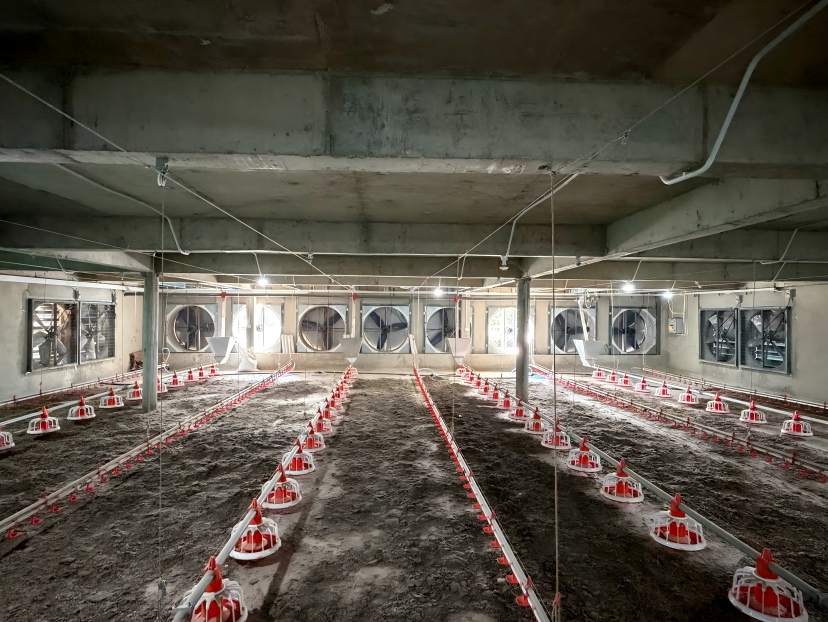
Why Is Consistent Daily Management the Real Competitive Advantage for Commercial Poultry Farms?
Many poultry producers invest heavily in advanced climate control systems, automated feeding equipment, and modern housing facilities. These technologies undoubtedly improve production efficiency, but even the most sophisticated equipment cannot replace consistent daily management.
On well-managed commercial poultry farms, long-term performance is built on routine execution rather than occasional intervention. Environmental conditions are checked before birds show signs of stress. Minor equipment faults are corrected before they interrupt feeding or watering. Small changes in flock behavior are investigated before they develop into health or production problems. This proactive approach allows farm managers to solve issues while they are still easy—and inexpensive—to correct.
A standardized daily poultry house inspection also creates valuable management data. Inspection records collected over multiple production cycles reveal patterns that are difficult to notice in a single flock. Managers can identify recurring ventilation imbalances during specific weather conditions, areas where drinker lines require more maintenance, or seasonal adjustments needed for lighting and temperature control. These observations support better decision-making and continuous improvement instead of relying on experience alone.
Successful poultry farming is rarely determined by one piece of equipment or one management decision. It is the result of hundreds of small tasks completed correctly every day. Regular inspections, accurate records, timely maintenance, and immediate corrective actions work together to improve flock welfare, reduce mortality, increase feed efficiency, and control operating costs.
Whether you operate a commercial broiler farm, a layer farm, or an integrated poultry production facility, establishing a disciplined inspection routine is one of the most practical investments you can make. It requires very little additional cost, yet it helps protect the performance of every production cycle while building a stronger foundation for long-term profitability.
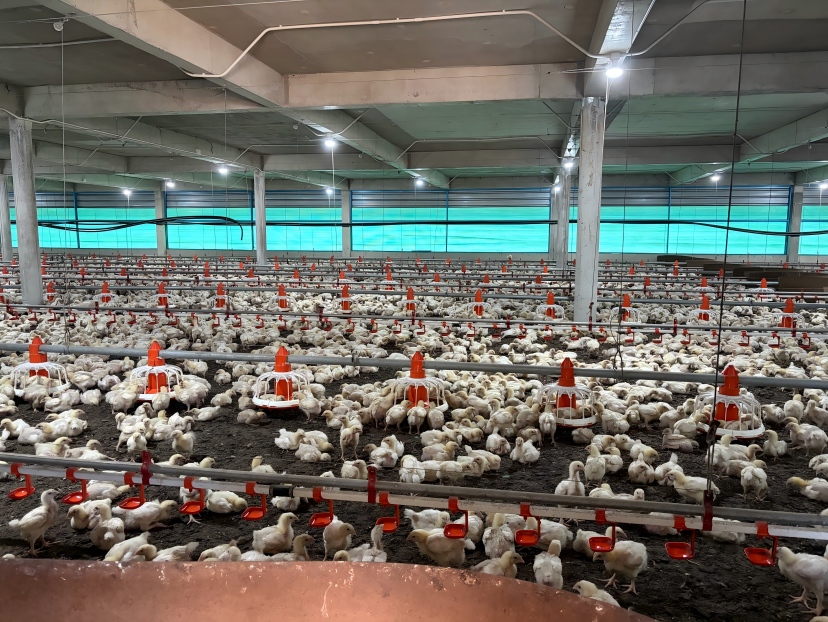
Frequently Asked Questions About Daily Poultry House Inspections
1. How many times should a poultry house be inspected each day?
For most commercial poultry farms, inspecting each poultry house at least twice a day is considered good management practice. During brooding, periods of extreme heat, cold weather, or disease challenges, adding an extra inspection helps identify environmental changes before they affect flock performance.
2. Can an automatic environmental controller replace manual inspections?
No. Climate control systems provide valuable temperature and humidity data, but they cannot detect wet litter, unusual bird behavior, leaking drinker lines, abnormal equipment noise, or biosecurity issues. Daily walk-through inspections remain an essential part of poultry farm management.
3. What are the first warning signs that something is wrong inside a poultry house?
Some of the earliest signs include birds crowding together, panting, reduced feed intake, excessive water consumption, uneven flock distribution, wet litter, or a noticeable ammonia smell. Identifying these problems early allows farm managers to take corrective action before flock performance declines.
4. Which inspection area has the greatest impact on production costs?
There is no single inspection point that determines farm performance. Ventilation, drinking systems, feeding equipment, lighting, litter quality, and biosecurity all work together. A small issue in any one of these areas can gradually reduce feed conversion, increase mortality, and raise operating costs if it is not corrected promptly.
5. Can daily inspections really improve farm profitability?
Yes. Daily inspections help reduce unnecessary losses by detecting small problems before they become expensive repairs or production issues. Over multiple production cycles, consistent inspections contribute to lower mortality, better flock uniformity, improved feed efficiency, reduced energy consumption, and more predictable operating costs.
Looking to Improve Your Poultry Farm Management?
Whether you are building a new poultry farm or upgrading an existing operation, establishing a standardized daily inspection system is one of the most effective ways to improve long-term production performance.
At Illinois, we support commercial poultry farms worldwide with integrated solutions, including poultry ventilation systems, EC circulation fans, climate control equipment, LED poultry lighting, automatic feeding and drinking systems, and customized farm management solutions designed for different climates and production requirements.
If you are looking for practical solutions to improve flock health, reduce energy consumption, or optimize poultry house management, our engineering team is ready to help you select the right equipment and develop a solution tailored to your farm.
Contact us today to discuss your poultry project and receive professional technical support from experienced livestock and poultry specialists.
Related Guides & Projects
For real-world application references, see our project case studies such as Thailand broiler farm automation project.
For more in-depth guidance, continue reading our related guide on poultry farm energy audit checklist.