How to Commission Winter Minimum Ventilation in a Poultry House
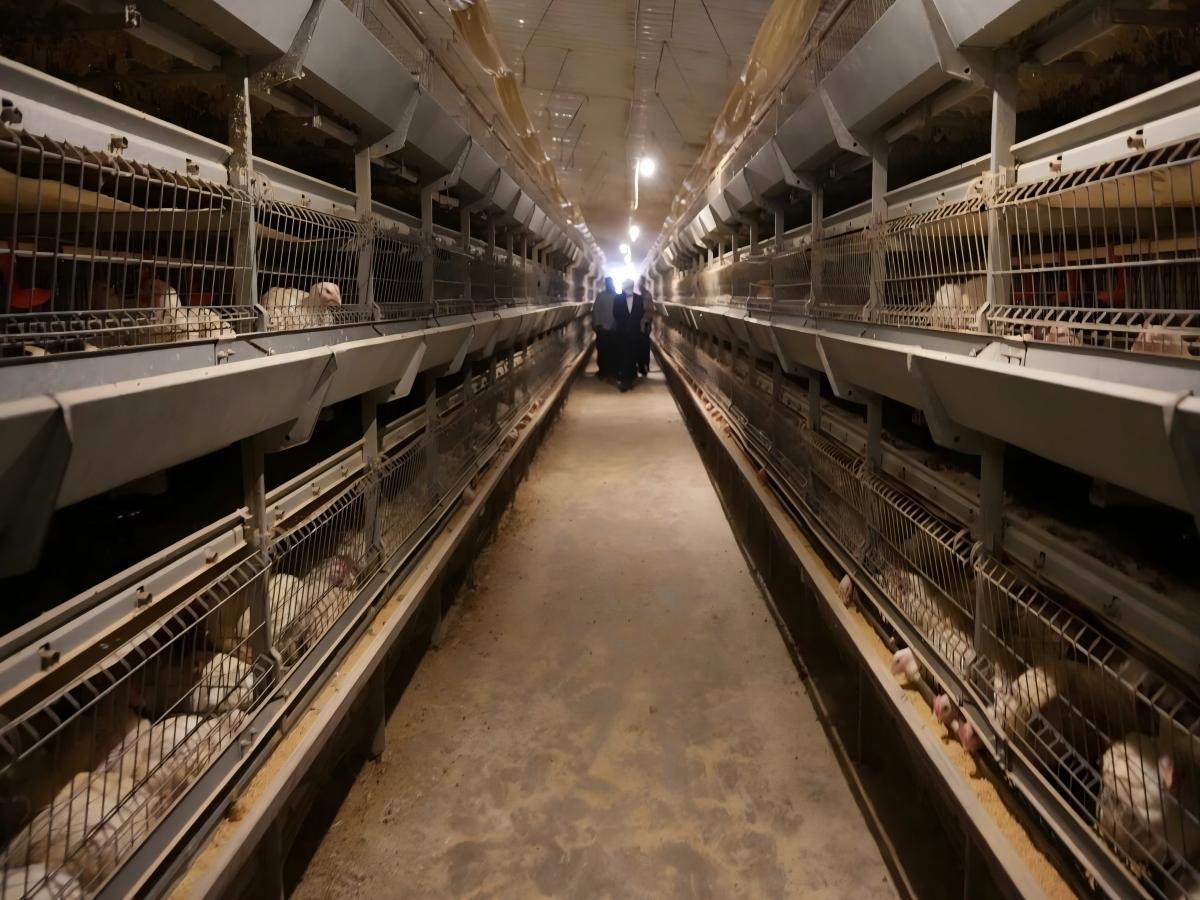
Winter minimum ventilation should be commissioned as a complete air path, not entered as a timer value and left alone. The fan, inlet, controller and sensors must be checked during the same cycle, at bird level, under the coldest practical operating conditions.
This page is a field workflow for enclosed layer and broiler houses. It complements the broader guide to moisture control without cold drafts by focusing on what the commissioning team records, observes and adjusts on site.
For buyers comparing chicken poultry farm eguipments for cold-climate houses, the practical question is whether the controller, fans, inlet actuators and sensors can complete the verified sequence together.
Start with a House Record, Not a Timer Number
Every commissioning visit begins by writing down what the house actually has before any setting is discussed. A timer number copied from another farm says nothing about this building’s heat loss, ceiling condition, inlet wear or bird load, and it cannot be verified later if nobody recorded the starting point.
Before changing any setting, record the equipment and conditions that can be confirmed on site, including fan models, inlet configuration, controller stages, sensor locations and the heating arrangement. If an item has not been checked, do not invent a value or use it as the basis for a control decision.
This workflow is intended for enclosed layer and broiler houses that operate for extended periods with outdoor temperatures below the indoor setpoint. It is not a universal timer schedule; the house, flock, heating system and local winter conditions determine the starting values and the verification method.
Walk One Complete Minimum-Ventilation Cycle
Commissioning is verified during at least one full cycle with the house at a representative winter stocking and outdoor temperature. Three moments matter: the moment the fans start, the middle of the run, and the minutes before the next cycle begins.
At Fan Start: Check the Inlet Response
When the minimum-ventilation fans start, walk to the inlets and confirm that they open against the measured static pressure instead of falling open freely or staying shut. The jet should leave the inlet on a path that travels along the ceiling, not down onto the birds. Fan output must be judged at the operating point actually measured in the house, the same principle behind selecting fans by fan performance at operating static pressure.
During the Run: Follow the Ceiling Jet
Mid-run, the jet should still be moving along the ceiling and mixing with room air before it descends into the occupied zone. Ribbon or smoke observations at one or two inlets show whether the stream is attaching or falling short. Static pressure and air-speed readings alone do not prove the air path, because static pressure, air speed and inlet performance interact: the same pressure reading can hide different jet behaviour if an inlet hinge, cable or spring has drifted. The visual check stays part of the routine even in fully instrumented houses.
Before the Next Cycle: Watch the Rebound
The period before the next fan cycle helps show whether moisture and gases are accumulating. Review humidity and ammonia measurements across several cycles alongside fan run time, air distribution, sensor placement and manure or litter conditions. If bird-level temperature drops sharply after a fan run, check for drafts and heat loss before changing the heating or ventilation schedule.
Map Cold and Damp Zones Instead of Trusting the Average
A single house average can hide a wet corner, a cold row and a draft at bird level at the same time.
Sample by Length, Row and Tier
In long and multi-tier houses, walk the full length and log bird-level temperature and humidity at fixed positions — by length, by row and by tier. Fixed positions make the results comparable between cycles and between days. Houses already fitted with multi-sensor poultry climate control have this history continuously; a handheld reading grid remains the baseline everywhere else.
Separate Sensor Error from Air-Distribution Error
When one location appears unusual, verify the reading with a second properly positioned instrument before changing controller settings. Similar readings show that the local difference deserves investigation, but they do not establish its cause. Check sensor placement, unintended leakage, inlet condition, heating and local airflow before deciding whether calibration or distribution changes are necessary.
Find the Minimum Useful Fan Range
At low airflow, the important question is whether the installed fan and inlet combination can still maintain a stable, useful air path. Determine the lower operating limit from the equipment documentation and observations made in the house.
Variable Speed Must Still Hold the Air Path
Variable-speed fans can run far below their nominal capacity, but at very low speeds the jet may stop reaching the ceiling, or the inlet may stop metering correctly. The useful minimum is the lowest speed at which the air path still holds, and demand-based EC fan control is usually kept inside this range rather than stretched below it. The approved speed range comes from the fan and motor documentation, never from an assumption that output falls linearly with speed.
Timed Fans Can Be Better Below the Useful Range
Below the useful range, switching fans on and off on a timer can hold a better air path than dragging a fan beneath its stable speed. This is a house-specific decision made from the recorded fan model and the observed jet behaviour — it is exactly the kind of trade-off the cycle walk exists to settle.
Translate the Walk-Through into a Control Sequence
Observations only become commissioning when they are written into a sequence the controller can run and the farm can verify.
Assign Fans, Inlets, Heating and Alarms by Stage
The recorded observations become a staged sequence: which fans belong to minimum ventilation, which inlets follow them, when supplemental heat is allowed to run, and which readings trigger an alarm. Cold-weather guidance such as the Mississippi State Extension notes on broiler-house ventilation frames the same task as balancing moisture removal against heating input — the stage table is where that balance is written down and later checked.
Select the Controller from Actual I/O
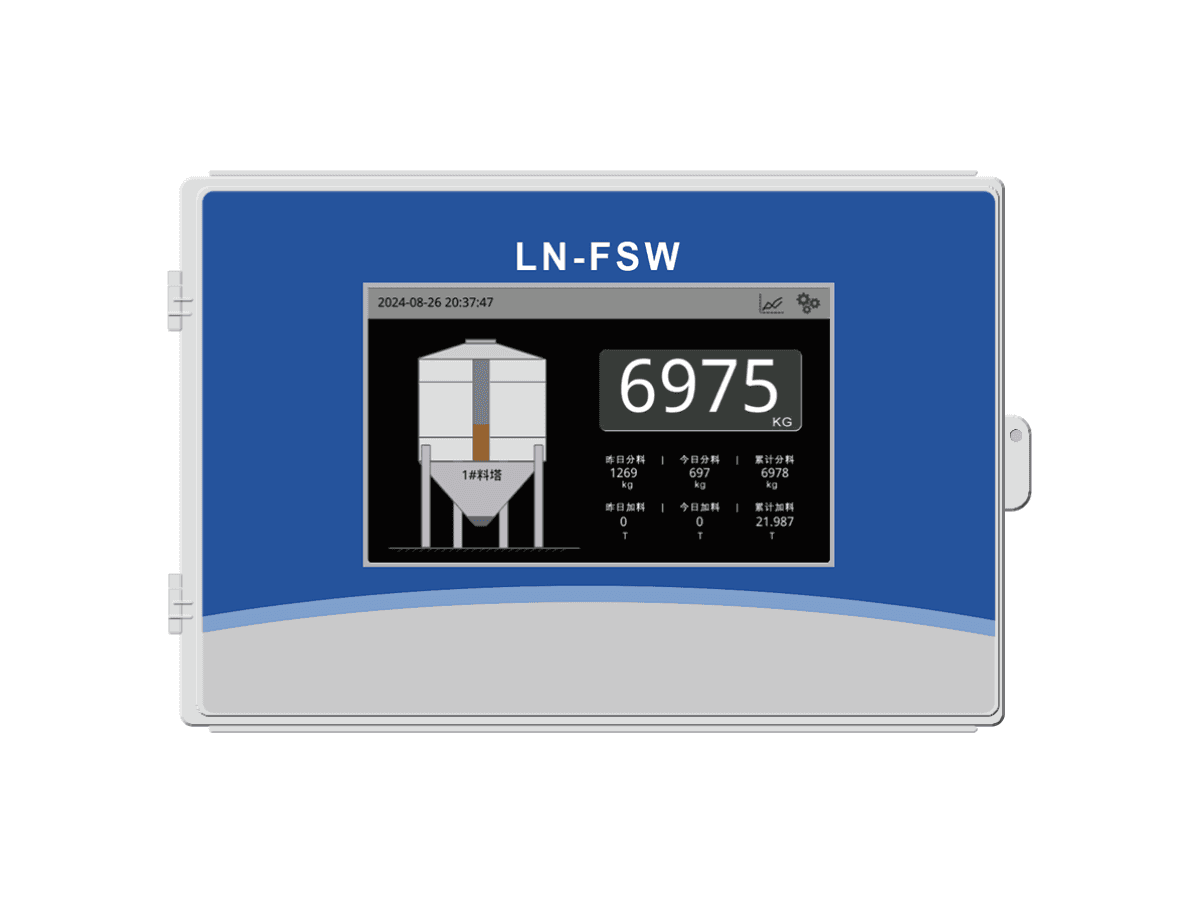
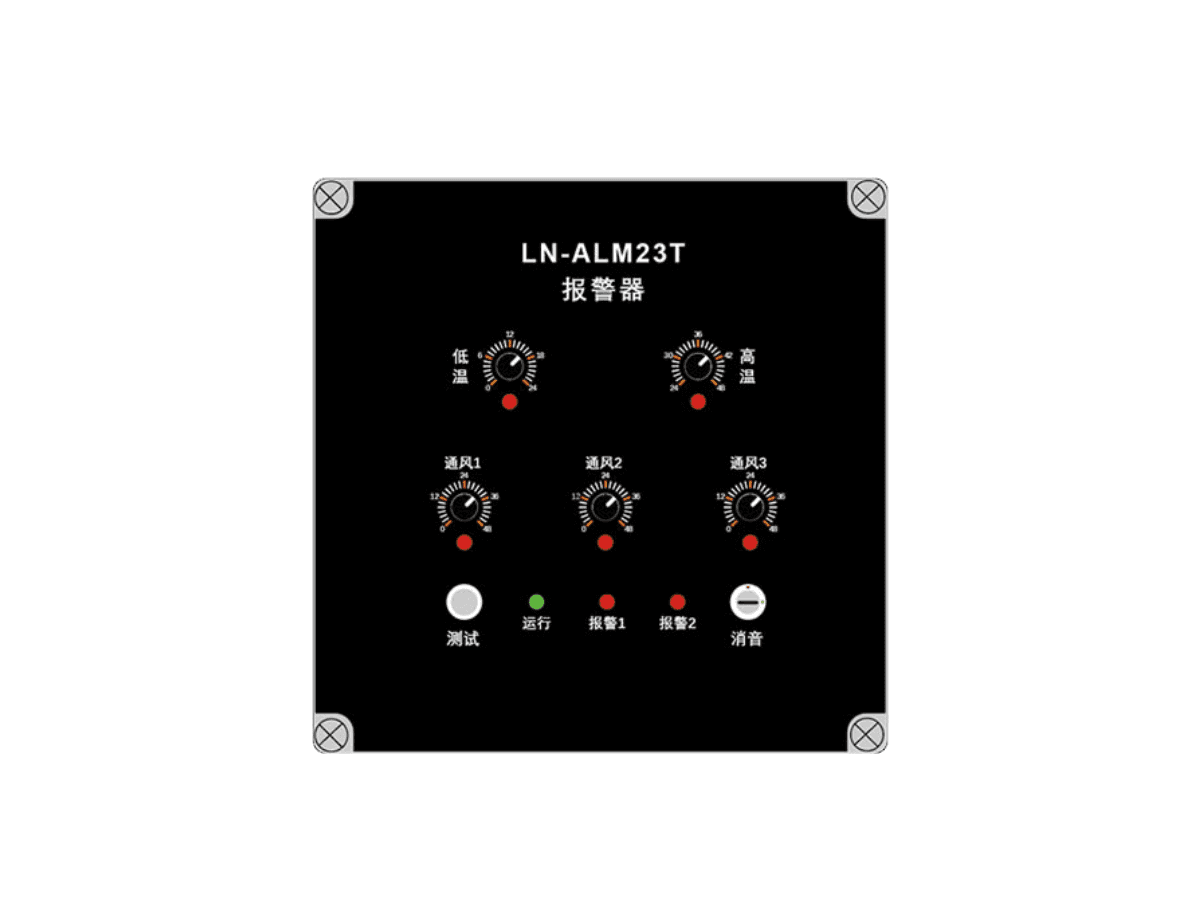
Select the controller against the actual number and type of inputs, outputs and control signals required for the documented sequence, including sensors, fan stages, inlet actuators and alarms. Confirm compatibility with the installed devices and allow suitable spare I/O capacity where future expansion is required. The poultry climate controller selection guide explains this assessment in more detail.
Persistent moisture and elevated ammonia can worsen litter or manure conditions and increase respiratory risk. Use flock-management limits and measured trends rather than assuming that a stable temperature means the house air is acceptable.
Leave a Commissioning Record the Farm Can Recheck
The deliverable of a commissioning visit is a record the farm can recheck, not a promise. A daily poultry-house inspection checklist keeps the same fields alive between visits, so the next correction starts from evidence instead of memory.
Handover record checklist
- Date
- Outside conditions
- Flock details
- Verified stage settings
- Measurement positions
- Cold/damp zones
- Changes made
- Unresolved issues
- Recheck triggers
- Responsible person
Release the Setting Only After a Cold-Period Check
A winter sequence is ready for release only after a full cycle has been observed during a representative cold period. The inlet jet should remain above the occupied zone long enough to mix, bird-level temperatures should show no persistent cold strip, and moisture or ammonia should not rebound unchecked before the next cycle. Record the verified stage settings and the conditions under which they must be reviewed again.
To review a winter minimum-ventilation sequence, provide the house dimensions, bird type and age, stocking level, winter design temperature, fan models, inlet layout, heating system, sensor list, current timer or speed settings, and any cold-zone or condensation observations. The review should identify missing inputs before equipment or control changes are confirmed.
For the design decisions that sit upstream of commissioning, the guide to poultry-house ventilation design covers how the air path is planned before the first bird is placed.