Machine Vision Egg Counter Accuracy: What Really Changes the Count on a Layer Farm
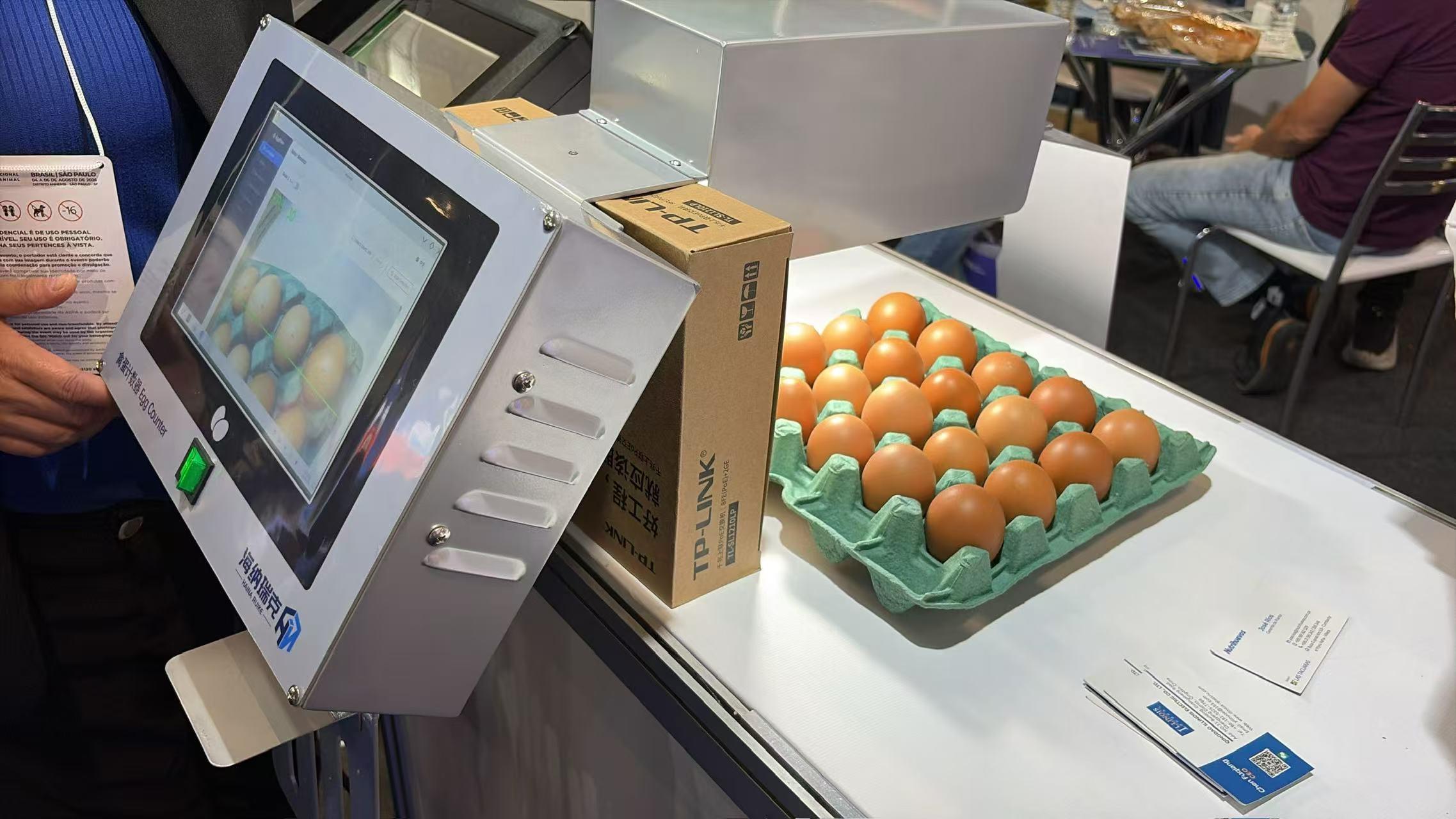
A machine vision egg counter can look flawless in a controlled demonstration and still produce occasional missed or duplicate counts on a working egg conveyor. We have seen the same pattern during technical support for layer-farm projects in Central Asia, including an Uzbekistan retrofit on an existing multi-tier collection line.
The first call is often: "The camera is counting wrong." Our first check is usually more basic. What is the egg flow actually doing?
At peak collection, eggs bunch together. Daylight shifts across the conveyor. A belt that runs faster gives the camera fewer frames for each egg. Dust slowly softens the image. None of these changes looks dramatic by itself, but together they decide real machine vision egg counter accuracy.
A vision counter captures conveyor images and uses vision detection and frame-to-frame tracking to follow eggs through the counting zone. Because the process is non-contact, a vision-based egg counter can often be retrofitted above an existing collection line without rebuilding the full conveyor.
That flexibility comes with a trade-off: the camera, lighting, conveyor, mounting bracket and egg flow all become part of the counting system.
One rule we use in the field is simple. Do not judge an automatic egg counter by five minutes of perfectly spaced eggs. Ask how it behaves during the busiest hour of the shift.
1. Overlap and Occlusion: Watch the Egg Flow Before You Touch the Software
Egg flow is rarely neat during a full production day. At peak collection, two eggs may travel side by side, touch each other or partly hide one another from the camera. On a multi-tier layer farm, the density can change quickly as several collection sections feed the same conveyor.
That is the first real stress test for an automatic egg counting system.
Vision detection and tracking can separate many touching or partially overlapping eggs when enough of each egg remains visible across the recognition zone. But no camera can recover an egg that is completely hidden for the entire recognition zone.
When a farm tells us the count is stable most of the day but drifts during the peak period, we do not start by restarting the software. We stand beside the recognition zone and watch the flow. Then we look upstream.
Two questions usually narrow the problem quickly:
· Are eggs sufficiently spread before they enter the camera view?
· Do the current recognition settings still match the actual egg density?
Sometimes the better correction is mechanical: give the eggs more room before the counting point. In other cases, the conveyor layout is fine and the detection or tracking parameters need recalibration.
A restart can clear a temporary interruption. It will not fix recurring overlap.
For buyers evaluating the wider system rather than only the accuracy question, our automatic egg counting system guide for commercial layer farms explains how counting data fits into daily layer-farm production management. Ask the supplier how the system is commissioned under dense egg flow, not only how it performs with isolated eggs.
2. Lighting: A Good Camera Position at 9 a.m. Can Be a Bad One at 4 p.m.
Machine vision depends on contrast, edge definition and a stable view of the egg surface. The same egg can look different under direct sunlight, shadow, reflection or flickering artificial light.
One installation mistake is easy to underestimate: putting the recognition zone close to a window or open sidewall. The image may look excellent during setup, then change several hours later when sunlight reaches the belt from a different angle.
That is why we prefer to check the camera view under real production lighting, not only during installation. If a line operates from early morning into the evening, the vision egg counter lighting conditions should be reviewed across those periods.
The practical checks are straightforward:
· avoid direct sunlight on the recognition zone where possible;
· keep illumination reasonably consistent across the camera field of view;
· check reflections from light-colored or worn belt surfaces;
· verify exposure and recognition settings after the final camera position is fixed.
A useful lesson from site work: changing software thresholds to compensate for unstable lighting can hide the real problem for a while. It is usually better to stabilize the image first.
For an egg counter for dusty poultry houses or open-sided farm environments, lighting and dust should be considered together. A clean lens with unstable glare is still a poor image. So is a perfectly positioned light source viewed through a dirty lens.
3. Conveyor Speed Is Part of the Counting System
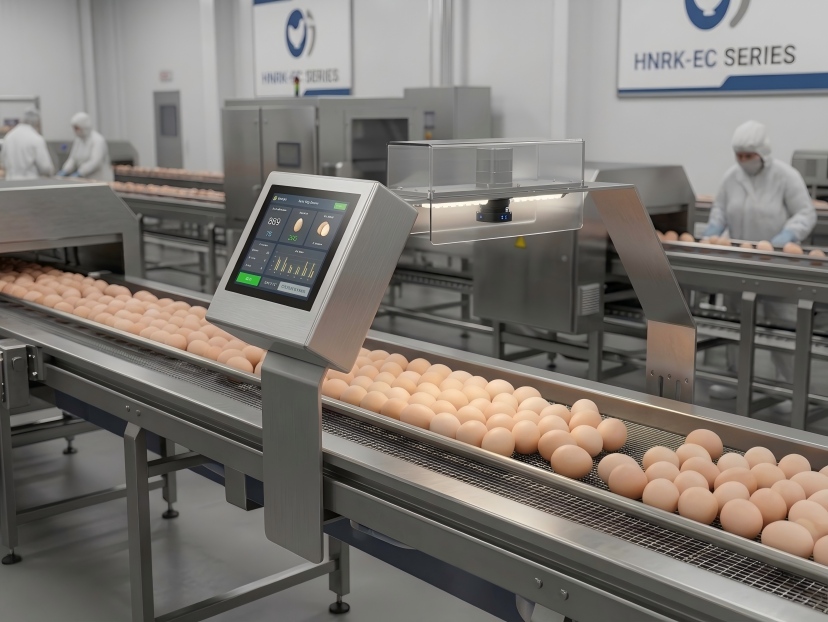
The conveyor is not just carrying eggs past the counter. It determines how much visual information the counter receives.
If the belt runs faster, each egg stays in the camera view for less time. Excessive speed can create motion blur and reduce edge clarity. A sudden change in speed also changes how far an egg travels between frames.
That matters because tracking depends on continuity. If the movement between frames no longer matches the tracking settings, an egg can lose its identity and later be treated as a new object. That creates a duplicate count. A fast, partly hidden egg can fail in the other direction and be missed.
Before selecting an egg counter for a layer farm conveyor, we ask for three numbers: normal belt speed, maximum belt speed and whether the drive is fixed-speed or variable-speed.
Do not skip the maximum speed.
A line that normally runs comfortably may be accelerated during peak collection or after a production change. If that operating point was never considered during commissioning, the count should be verified again after the speed change.
For egg counter conveyor speed calibration, a short controlled comparison is far easier than discovering a discrepancy after weeks of production totals have accumulated.
Our preference is to test at the speeds the farm will really use. Not the slowest speed that makes the demonstration look good.
4. Belt Condition, Vibration and Lens Dust: Small Changes Accumulate
The camera does not see an "egg conveyor." It sees shapes, colors and textures.
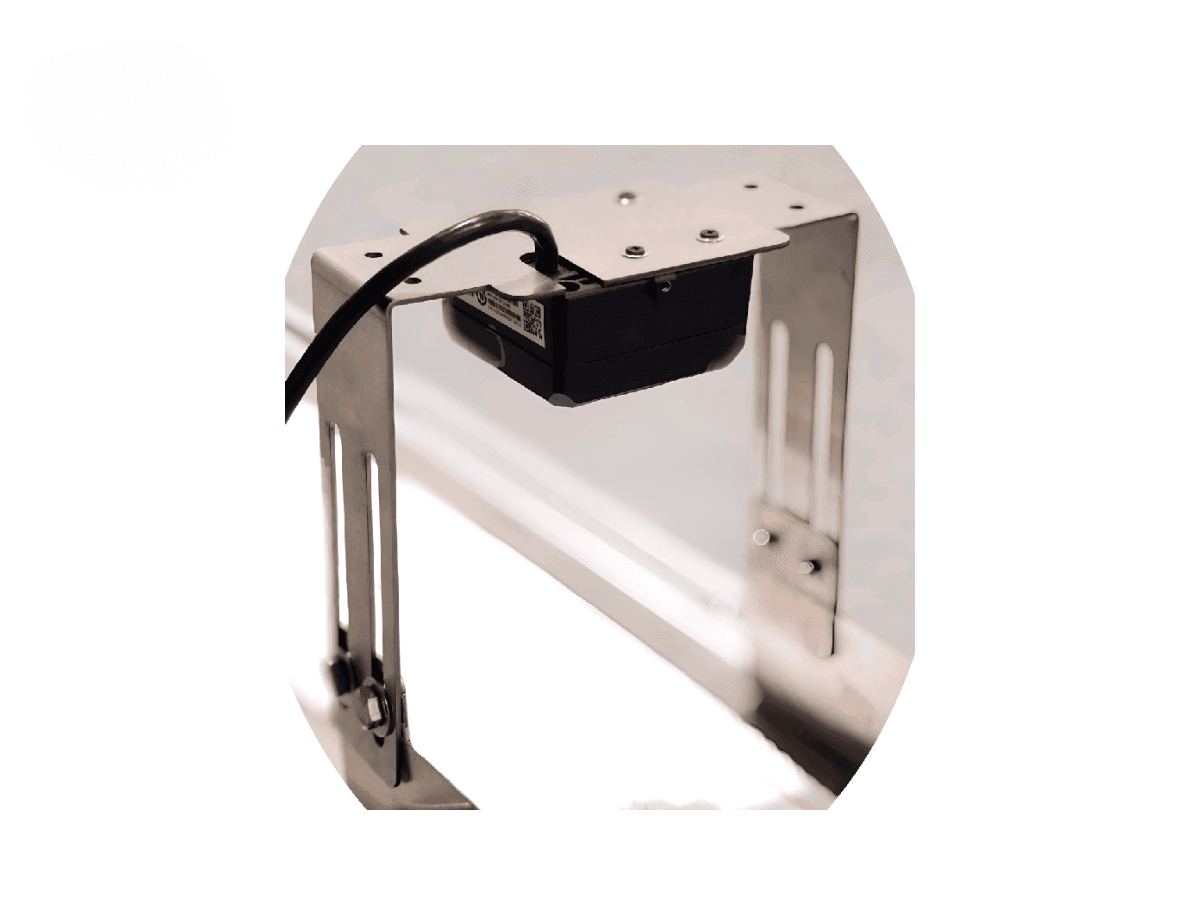
Broken shell pieces, egg liquid, feathers, scratches and faded belt areas can all introduce visual features that were not present during factory testing. A poor camera angle can push part of the egg flow toward the edge of the field of view. A loose or vibrating bracket adds movement to every frame.
Dust behaves differently from a hard failure. A light film on the lens may not stop counting at all. Instead, image contrast deteriorates gradually and the count becomes less consistent over time.
That is why we treat camera maintenance as part of the measurement process, not as housekeeping.
A practical routine should include checking the bracket, wiping the lens, cleaning the recognition zone and comparing the counter after major conveyor adjustments. If the belt is replaced, the camera is moved or the collection speed is changed, run a verification check rather than assuming the old settings still fit.
| FIELD NOTE - UZBEKISTAN RETROFIT Our AI vision egg counter retrofit for a multi-tier layer farm in Uzbekistan provides a practical example of checking mounting space, operating height, camera angle and actual conveyor behavior before the final camera position was fixed. Calibration was then repeated under denser egg-flow conditions. The order matters. Calibrating first and moving the camera later simply creates another calibration job. |
Stable machine vision egg counting depends on the whole imaging environment. The camera and processor are only two parts of it.
5. Accuracy Percentages Need Test Conditions Behind Them
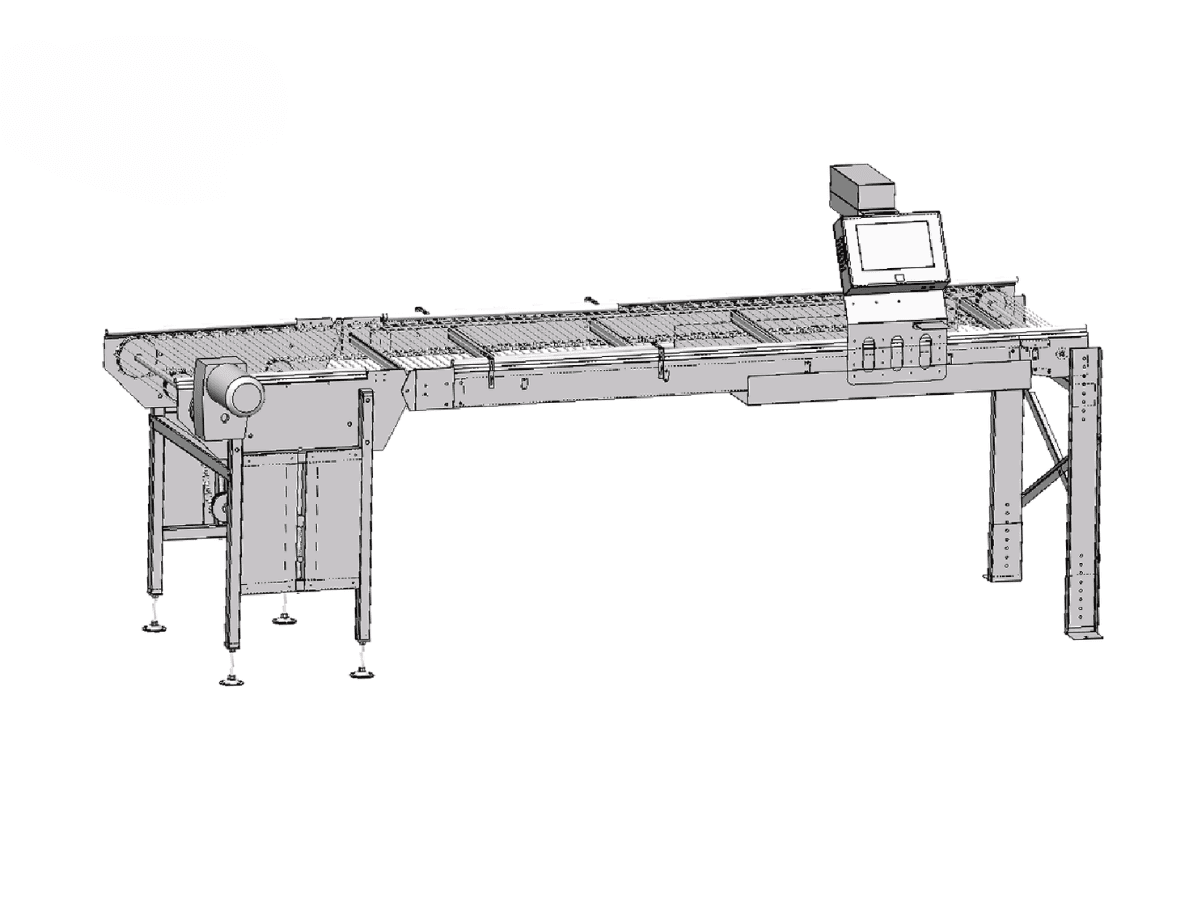
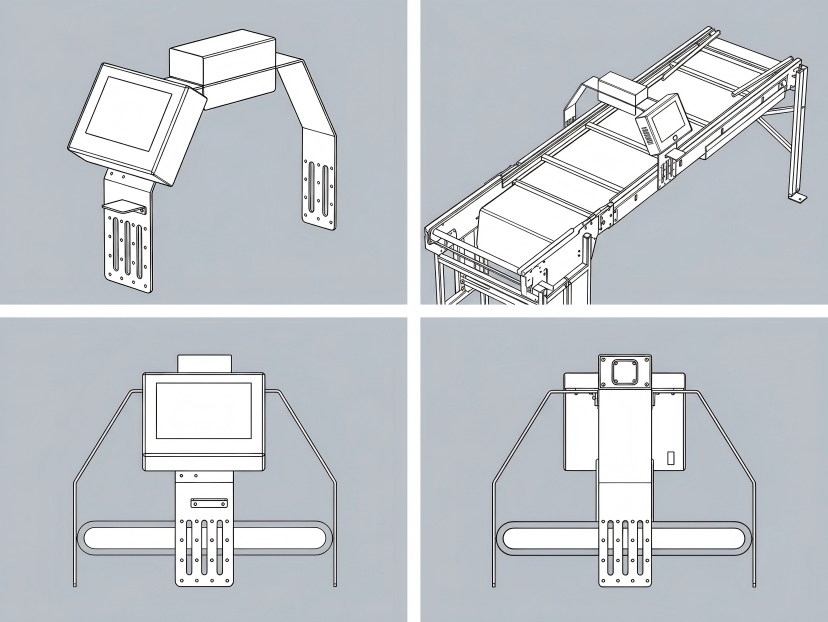
The HNRK-EC Series is a vision-based egg counter for 500–900 mm layer-farm conveyors, covering the HNRK-EC-500, HNRK-EC-750 and HNRK-EC-900 models. Model selection begins from conveyor width and is then verified against speed, egg flow, lighting and mounting conditions.
We also need to know speed, available mounting space, typical egg density, lighting and data-output requirements.
A published accuracy percentage is useful only when the test conditions are clear. For a commercial layer farm, ask what happened during crowded flow, whether belt speed changed, how the camera was positioned and how the reference count was produced.
We would rather answer six practical questions than sell one headline number:
· How does the counter handle touching or partially overlapping eggs?
· How does tracking avoid counting the same egg twice?
· Can recognition parameters be adjusted on site?
· What happens when conveyor speed changes?
· What camera maintenance is required in a dusty house?
· How is performance verified after installation?
A meaningful layer farm egg counter calibration should reproduce production. That means normal separated flow, crowded eggs, realistic speed changes, normal belt contamination and the lighting conditions the camera will actually see.
Then run the system for a representative production period and compare its total against a reference count or verified packed quantity. Record the error type too: missed egg, duplicate count or device interruption.
The pattern usually tells you where to look. Errors clustered around crowded flow point toward spacing or recognition settings. Errors that appear only under strong sunlight point somewhere else entirely.
Machine Vision Egg Counter Accuracy Troubleshooting
| Symptom / Condition | What to Check First | Typical Cause | Corrective Direction |
|---|---|---|---|
| Errors mainly at peak egg flow | Egg spacing and overlap in the recognition zone | Occlusion or dense flow | Improve upstream spacing first, then verify whether recognition settings still match the actual density. |
| Errors change by time of day | Camera view and illumination at different operating periods | Sunlight, glare, shadow or unstable artificial lighting | Stabilize the imaging environment before changing recognition thresholds. |
| Errors increase at higher belt speed | Normal and maximum conveyor speed | Motion blur or tracking mismatch | Re-test recognition at the speeds the farm will actually use and recalibrate after material speed changes. |
| Accuracy slowly deteriorates over time | Lens, belt surface and recognition zone | Dust, contamination or changing belt appearance | Clean the lens and recognition area, then run a reference-count check before changing software. |
| Count changes after maintenance or belt work | Camera bracket, angle and recognition-zone position | Camera movement, vibration or geometry change | Reconfirm mounting position and repeat calibration after the physical setup changes. |
| Individual counters look correct but farm total is wrong | Device IDs, clock synchronization, line mapping and restart rules | Reporting or aggregation logic | Verify whether each value is independent or cumulative before changing vision parameters. |
How to Validate Egg Counter Accuracy Before Acceptance
Acceptance testing should reproduce the line the counter will actually run on, not the slowest speed that makes a demonstration look good. Five checks make the result trustworthy:
1. Define the operating range. Record the normal speed, the maximum speed and whether the drive is fixed-speed or variable-speed. The test range must cover real running conditions, including the expected peak.
2. Test different egg-flow conditions. Run separated flow and denser peak-flow conditions so the recognition zone is evaluated under more than one spacing pattern. Watch for missed eggs and duplicate counts.
3. Use the real lighting environment. Verify the camera view under the lighting conditions the line will actually see during production, including meaningful changes across the day where relevant.
4. Compare with a verified reference count. Compare the system total with a verified reference count or other reliable production reference over a representative test period. Record the difference and the error type.
5. Record the error type and retest. Record whether discrepancies are missed eggs, duplicate counts or device interruptions, correct the likely cause, and repeat the test under the same operating condition.
6. Multi-Line Accuracy Is Also a Data-Mapping Problem
A counter can be accurate on one line and still produce poor farm-level reports if the data structure is badly planned.
Large layer farms often run several parallel egg collection lines. Each counter therefore needs a clear device identity and synchronized time. Otherwise two accurate counters can still create confusing combined records because line IDs, clocks or restart rules do not match.
Combined reporting also requires a defined independent-versus-cumulative mapping. If a downstream counter's total already includes the eggs counted upstream, simply adding every counter total will double-count. Before merging values, confirm whether each counter reports its own section only or a cumulative total, and map the lines accordingly in the reporting layer.
This is where egg counting becomes production monitoring.
Before ordering, confirm whether the selected configuration provides real-time display, local storage, daily or shift reports, network export and the interfaces required by the farm management system. Also ask how accumulated totals are handled after a restart.
Where a farm needs production analysis below the house or line level, a cage-level egg production monitoring system for row-and-tier output analysis can extend the data structure beyond a single conveyor total. That is a separate system, not the HNRK-EC itself.
Once line identities and time records are consistent, the totals can support the comparisons discussed in our layer farm egg production management guide for production and flock analysis.
For buyers, our advice is deliberately practical: start with the actual line. Send the conveyor width, normal and maximum speed, photos or video of real egg flow, available mounting space and a description of the lighting around the counting point.
If you have several lines, show how they merge and where you want the totals reported.
Those details tell us more than a request for "the most accurate model." They allow the HNRK-EC configuration, camera position and commissioning plan to be matched to the farm rather than to a brochure demonstration.
Frequently Asked Questions
What if eggs arrive in clumps instead of one by one?
That is common during peak collection. A vision system can separate many touching or partly overlapping eggs if enough of each egg remains visible. If the eggs stay heavily stacked, improve the upstream spacing first. After that, check whether the recognition parameters still match the real flow density.
Do we need to clean the camera lens every day?
Not automatically. Cleaning frequency depends on dust load, camera position and the farm's own cleaning schedule. The useful habit is inspection: if image clarity is falling or counting variation is increasing, check the lens and recognition zone before assuming the algorithm has changed.
Can an HNRK-EC counter be added to an existing egg conveyor?
In many projects, yes. Because the system is non-contact, the camera can often be mounted above an existing line. The available height, conveyor width, camera angle and egg-flow pattern still need to be checked before the bracket position is finalized.
We changed the belt speed. Do we need to recalibrate the counter?
Verify it. A speed change affects how long each egg stays in view and how far it moves between frames. A short reference-count test after the change is a sensible commissioning step.
We have several collection lines. Can the totals be combined?
Yes, provided the project is configured with clear device IDs, synchronized time and consistent reporting rules. Multi-line reporting should be planned before commissioning so data from different counters can be combined without creating missing or duplicate records.
Reliable Egg Counting Is a Production Process, Not a One-Time Demo
Machine vision makes egg counting a continuous production-data process. Reliable performance depends on the camera, algorithm, conveyor, lighting, mounting, cleaning and data structure working together.
The most useful question is not "What accuracy number is printed on the brochure?"
It is: "How will this counter behave on my line, at my peak flow, under my lighting?"
For a new project, send the conveyor width, operating-speed range, photos or video of real egg flow, available mounting space and the conditions around the line. Our technical team can review the application and recommend an appropriate HNRK-EC-500, HNRK-EC-750 or HNRK-EC-900 configuration, together with the commissioning checks needed for the site.