Maximizing Egg Production & Quality: Key Management Tips for Layer Farms
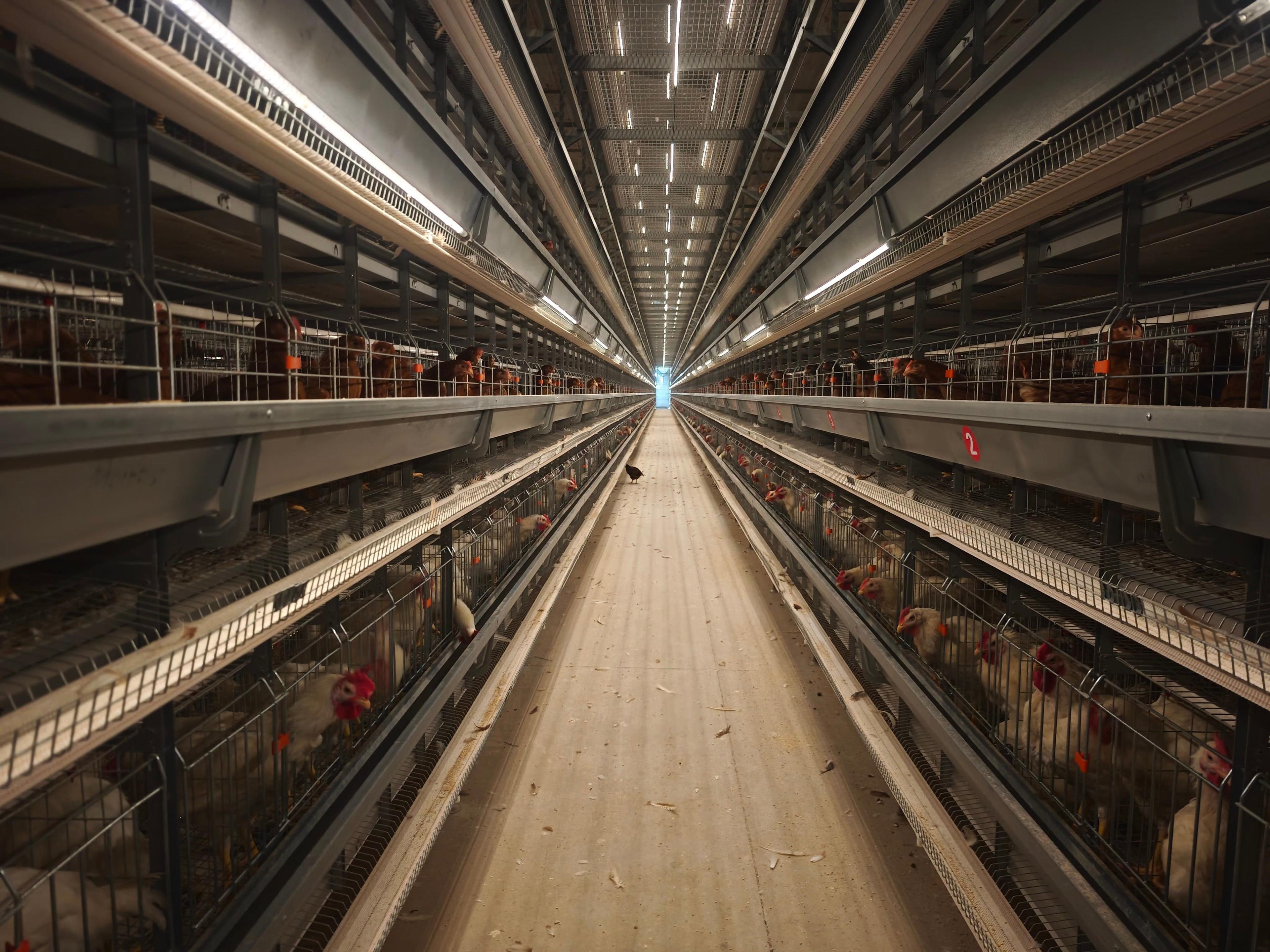
Eggs are the primary source of economic income for commercial layer farms. However, achieving a high egg production rate and superior egg quality depends on a variety of critical influencing factors. As a poultry farmer, understanding these factors and implementing targeted management strategies is essential to maximize efficiency and profits.
1. Core Factors That Determine Egg Production & Quality
The egg production rate and egg weight of laying hens are directly determined by two key elements: chicken breeds and daily farming management methods. Additionally, the optimal market egg weight varies from country to country. Generally, egg sizes are classified into:
- Medium eggs (53–63g)
- Large eggs (63–73g)
- Extra-large eggs with high-quality eggshells (preferred in some regions)
- Maintaining consistent egg quality and meeting market specifications is vital for maximizing revenue.
2. Flexible Daily Management for Layer Flocks
There is no one-size-fits-all daily management schedule for layer breeding. Farmers need to adjust routines flexibly according to actual conditions and environmental changes. It is essential to observe the growth and development status of chickens closely:
- Lighting Management: Once flocks complete molting and reach the standard body weight, providing extra lighting can help maintain consistent production cycles.
- Flock Uniformity: Pullets usually mature at 16 to 18 weeks of age. To ensure all hens start laying eggs synchronously, high flock uniformity and good health status before house transfer are critical.
- Collaboration with Rearing Farms: Keep regular communication with rearing farm managers. When most hens are at the same growth stage, scientific feeding and lighting plans can greatly optimize overall management.
3. Risks of Poor Unified Management
Poor unified management will cause some hens to start laying too early or too late, leading to multiple problems:
- Early-laying hens fail to reach the peak production period and tend to suffer physical exhaustion in advance.
- Symptoms include low feed intake, light body weight, small egg size, fragile eggshells, short laying cycles, high mortality rates, and poor feather conditions.
- Hens with bad feather quality may even lose feathers in the early laying stage, affecting welfare and productivity.
4. Pro Tips to Boost Layer Farm Profitability
One key professional suggestion for late production stage management: Extending the laying period by one week at the late production stage brings more economic benefits than shortening the rearing period. This strategy requires stable environmental conditions and health management to keep hens productive longer.
5. Supporting Long-Term Flock Health
Farmers must pay close attention to the daily status signals of laying hens. Timely targeted measures should be taken once any abnormal symptoms appear. Meanwhile, regular supplementation of anti-stress and immunity-boosting additives is vital to maintain long-term flock health. We recommend high-efficiency health products like Youbaokang and Jiuduoxin (propolis extract formula) for modern layer farm management.
Final Note: Environmental Control is the Foundation
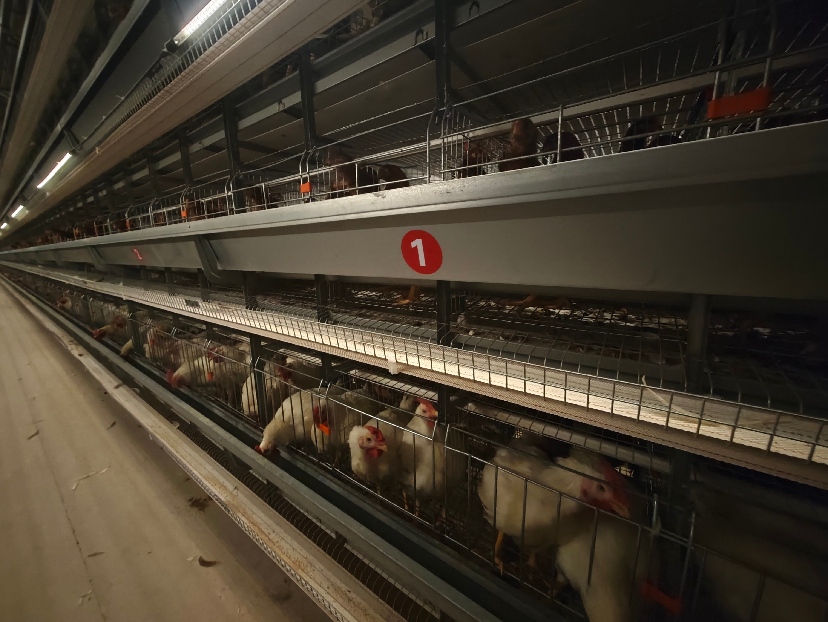
A stable, controlled environment is the backbone of all these management practices. Proper ventilation, temperature control, and air quality management in enclosed poultry houses help reduce stress, improve feed efficiency, and support consistent egg production. Investing in reliable climate control systems and farm ventilation fans can significantly enhance your farm’s overall performance.
If you’re looking for solutions to optimize your layer farm environment, contact us today to learn more about our tailored climate control solutions.
Related Guides & Projects
For more on automating egg data collection, continue reading our related article on automatic egg counting system for layer farms.