What Causes Short Peak Laying Period in Stacked Cage Layer Farms
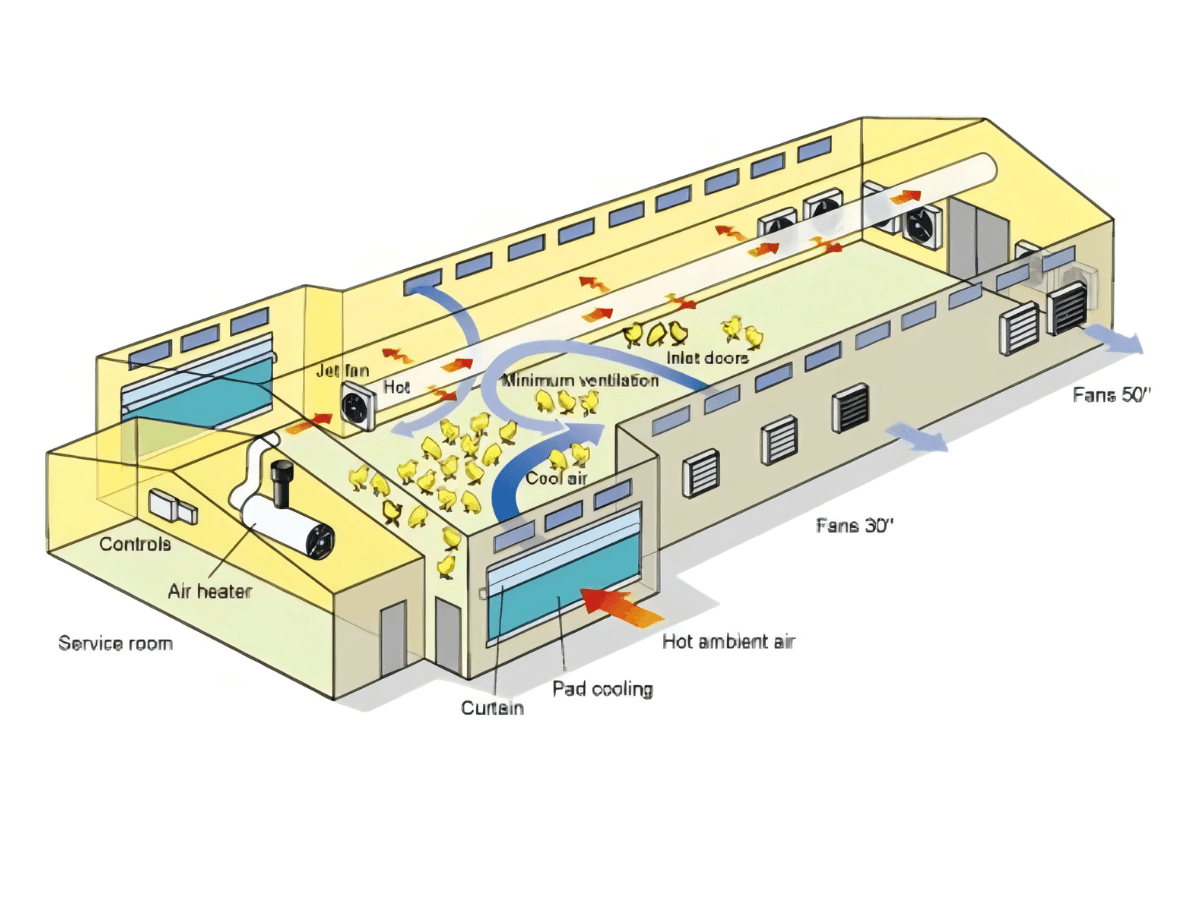
For commercial stacked caged layer farming, poultry house environmental control stands as a critical factor influencing flock health, laying performance and egg quality. Many poultry operators focus heavily on feed formulation and disease prevention, yet overlook the synergy between house ventilation, feeding regimes and flock immunization. This oversight often leads to common issues such as short peak laying periods, frequent eggshell dark spots, and excessive body weight disparity among caged hens. A continuous cage bird weight monitoring system helps track flock uniformity early.
Climatic conditions vary drastically across Asia, featuring high temperature, high humidity and large diurnal temperature swings. A LINO Touch MAX environmental controller can stabilize these swings automatically. As a result, local ventilation and environmental management for layer houses differ greatly from European farming practices. A widespread misconception among domestic farmers is relying solely on ventilation equipment. Most keep an eye only on the temperature difference between the house inlet and outlet, while ignoring diagonal temperature gaps, bilateral temperature variations and microclimate inside cages — these are the main roadblocks holding back profit growth for medium and small-scale layer farms.
Combined with real-world cases from large commercial layer operations, this article breaks down core principles of environmental control for stacked caged layer houses, practical settings for exhaust fans and evaporative cooling pads, and dehumidification strategies for humid regions. We also share optimized feeding management tips to resolve uneven egg production, inconsistent egg quality and excessive dust accumulation. Follow these tactics to stabilize egg output and cut farming losses effectively.
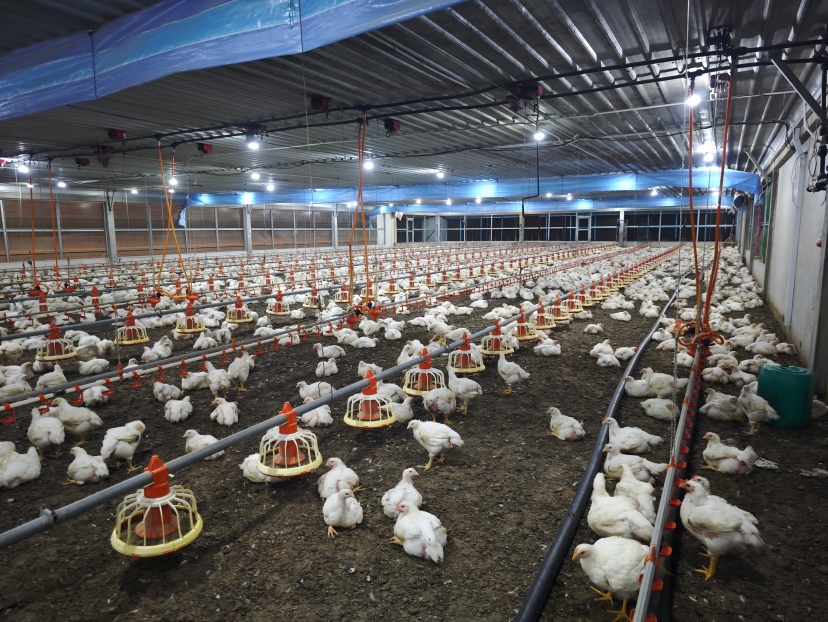
1. Core Principles & Fundamentals of Layer House Environmental Control
Many poultry farmers mistakenly believe that house environmental control is simply about adjusting indoor temperature. In fact, the essence of layer house management is to regulate airflow inside the barn. Proper air circulation removes moist air, airborne dust and excessive carbon dioxide, creating a comfortable living and production environment for laying hens.
In modern layer production, three key segments — feed nutrition, disease immunization and house environmental control — are closely interconnected. Any flaw in one link will directly drag down overall farming results. For 5-tier and 8-tier stacked cage houses, ventilation parameters including negative pressure ventilation, wind speed and airflow direction must be set differently; a one-size-fits-all ventilation plan never works.
The majority of on-site caretakers only monitor the front-to-back temperature difference, turning a blind eye to diagonal and side-to-side temperature gaps. This is the primary reason why flocks in stacked cage systems tend to exit peak production too early.
Real Case: Low Laying Rate Caused by Poor Environmental Control
A large-scale layer farm housed 35,000 hens in a single barn, yet the laying rate dropped to merely 84% when the hens reached 380 days of age. The farm team checked feed recipes and sanitation procedures repeatedly but failed to locate the root cause.
After on-site inspection, the front-to-back temperature difference was just 1.2°C, which was acceptable for summer conditions. However, the diagonal temperature difference from the cooling pad side wall to the exhaust fan side wall reached 8°C.
We then conducted segmented production statistics: 26,000 hens maintained a steady laying rate of 92%, while around 2,000 birds staying at the four corners of the barn lived in areas with either low temperature & high humidity or high temperature & high humidity, with their laying rate falling to only 72%.
Uneven microclimate in local areas pulled down the average production level of the entire house. This case serves as a clear reminder: when facing declining egg production, do not jump to conclusions and blame feed nutrition. Always prioritize inspecting local microclimate, ventilation layout and airflow distribution first.
2. Key Control Points for Stacked Caged Layer House Environmental Management
Exhaust fans and evaporative cooling pads are core equipment for ventilation, cooling, dehumidification and dust removal in layer houses. Based on cage structures, regional climates and seasonal changes, we elaborate on practical standards for fan layout, wind speed, negative pressure ventilation, booster fans, cooling pad configuration, fan startup sequence and temperature deviation between cages and walkways.
2.1 Fan Installation, Startup Zones and Air Volume Settings
2.1.1 Key areas for fan management
The rear one-third section of the chicken house, 18 to 30 meters away from the exhaust fans, is a typical low-wind dead zone with poor air quality. The operating status of fans directly determines the environment in this area, making it a top priority for ventilation management in multi-tier cage houses.
2.1.2 Calculation standards for effective fan air volume
Never use the static pressure air volume marked on fan nameplates as the ventilation reference, because nominal data cannot reflect real working conditions inside the barn.
Farmers need to refer to the brand and service life of exhaust fans, and check the actual air output under 20Pa and 30Pa negative pressure ventilation. These real figures are the reliable basis for setting ventilation parameters and ensuring effective air exhaust.
2.1.3 Regional wind speed standards for Northern and Southern China
Wind speed is divided into baseline speed for empty houses and actual operating speed for fully stocked houses, with distinct criteria for different regions:
Baseline horizontal wind speed (empty cages): 3.5 ~ 3.6 m/s for layer houses in Northern China, 3.6 ~ 3.8 m/s for high-temperature areas in Southern China;
Full fan operation in summer (fully stocked): Wind speed at the central aisle shall be no less than 4.2 m/s, and wind speed at side aisles shall be maintained above 2.8 m/s.
If the wind speed at side aisles fails to meet the standard, ventilation, cooling, dehumidification and dust removal across the entire house will be severely affected.
2.1.4 Scientific negative pressure ventilation adjustment by season and cage tiers
Negative pressure is a direct reflection of wind speed and needs dynamic adjustment along with temperature and humidity changes. Verified field data is listed below:
For every 7°C increase of indoor-outdoor temperature difference, the house negative pressure ventilation shall rise by 1 Pa;
For every 5% rise of indoor humidity, the house negative pressure ventilation shall increase by 1 Pa.
The widespread claim that "1 Pa negative pressure ventilation increase for every 3 to 5°C temperature gap" has no practical data support and should not be adopted in real farming.
Recommended negative pressure ventilation by cage tiers and seasons:
Spring and autumn transition period: 15 ~ 18 Pa for 4-tier and 5-tier cage houses; 10 ~ 12 Pa for 6-tier and 8-tier cage houses;
Summer cooling mode: Keep the overall house negative pressure ventilation at 25 ~ 30 Pa.
When ambient humidity rises, increase the wind speed at air inlets and raise air pressure to guarantee smooth air circulation.
2.2 Application and Functions of Booster Fans
Booster fans are auxiliary devices designed to resolve dust accumulation and local high temperature & high humidity in the rear one-third section of layer houses, which are indispensable for multi-tier cage systems.
Under normal conditions, the wind speed near the roof above rear cages is only 6 ~ 8 m/s, while the wind speed at lower cages ranges from 3.8 to 4 m/s. This easily causes air stagnation and buildup of polluted air. After turning on booster fans, the upper airflow speed can be lifted to 14 ~ 15 m/s. It drives polluted air from lower cages upward for dilution, breaks air resistance and facilitates dust exhaust.
With proper use of booster fans, the front-to-back temperature difference of a 100-meter-long 4 or 5-tier layer house can be controlled within 0.3 ~ 0.5°C in spring and autumn. In summer, it also effectively reduces humidity at the rear part of the barn.
2.3 Evaporative Cooling Pad Installation, Wind Speed and Summer Dehumidification Tips
Evaporative cooling pads are essential cooling equipment for layer houses in high-temperature and high-humidity areas of Southern China and subtropical regions. Air intake speed and water supply mode of cooling pads directly affect indoor humidity and egg quality.
2.3.1 Matching rules and wind speed standards for cooling pads
General configuration: One standard axial fan matches 5 square meters of cooling pad. For high static pressure fans, recalculate the matching pad area according to actual air volume.
Water flowing over cooling pads will reduce wind speed by 0.3 ~ 0.5 m/s. Therefore, the designed air intake speed for dry cooling pads should be set at 2.4 ~ 2.5 m/s, to ensure the actual wind speed stays at 1.8 ~ 2.0 m/s after water spraying.
If you set the target speed at 2 m/s for wet pads, the real wind speed will drop to 1.6 ~ 1.8 m/s. Insufficient wind speed forces farmers to excessively raise house negative pressure ventilation. When airflow is cut by cage frames, indoor temperature distribution becomes extremely uneven.
In addition, the position of side air windows shall be designed according to the falling direction of airflow. This not only improves dust removal efficiency, but also prevents cold air from dropping directly onto the activity area of hens and causing cold stress.
2.3.2 Correlation between cooling pads, eggshell quality and indoor humidity
Regions with tropical rainforest climate and subtropical monsoon climate feature year-round high temperature and high humidity. Improper use of cooling pads will further elevate indoor humidity, which is a major cause of egg dark spots and degraded eggshell quality. Reasonable cooling pad management optimizes the living environment and improves the commercial value of eggs.
Two core methods to control indoor humidity in summer:
Increase overall wind speed to lower baseline indoor humidity before activating cooling pads;
Adopt graded intermittent water supply for cooling pads to avoid sudden humidity spikes.
2.4 Correct Fan Startup Sequence for Multi-Tier Cage Houses
6-tier and 8-tier stacked cage houses often suffer from a horizontal temperature difference of 3 ~ 4°C, leading to unstable egg production. Follow this proven startup rule:
Turn on middle fans first, then side fans; activate upper fans before lower fans, with a 6:4 startup ratio between upper and lower exhaust fans.
Advantages: Prioritizing middle fans raises wind speed in the center of the house, improves overall air permeability and allows dust to be carried out smoothly with airflow.
Common mistake: Starting fans near side walls first creates airflow shortcuts. Air cannot reach the central area sufficiently, leaving dust and polluted air trapped inside the barn.
2.5 Temperature Gap Between Cages and Aisles (A Must-Know for Parameter Setting)
Temperature sensors in most layer houses are installed along walkways, while hens live inside cages all day long. There is a fixed temperature deviation between cage interiors and aisles, which must be taken into account when setting environmental control parameters:
- Cold seasons: The temperature inside cages is 2 ~ 2.5°C higher than aisle temperature;
- Summer with high ventilation speed: Cage interior temperature is 1 ~ 1.5°C higher than aisle temperature by 1 ~ 1.5°C.
All ventilation parameters and target temperatures must be set based on the actual temperature inside cages where hens stay. Deviations in sensor placement will render the entire environmental control system ineffective.
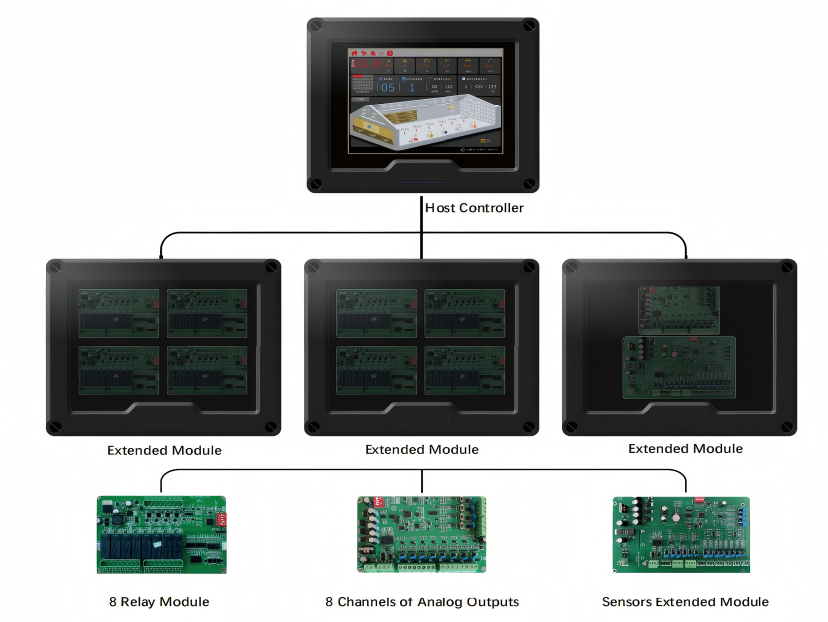
3. Integrate Environmental Control with Daily On-Farm Management
To put ventilation strategies into practice successfully, combine environmental control with daily feeding and routine management. Below are practical solutions targeting two prevalent problems: dehumidification for permanently humid areas, and uneven body weight & egg quality among caged hens.
3.1 Dehumidification Solution for Layer Houses in Year-Round Humid Regions
Farms in constantly humid areas face two major challenges: Excessively high humidity in early morning and night. Excessive wind speed will trigger cold stress when outdoor temperature is low. When temperature rises in daytime, high indoor humidity creates a muggy environment that affects hen comfort. We use staged temperature difference adjustment to balance temperature and humidity:
- Set the temperature difference to 1°C for the first three ventilation stages, to avoid cold wind and prevent cold stress during morning and night;
- Adjust the temperature difference to 0.7 ~ 0.8°C starting from the fourth stage. This increases total air exchange volume and reduces indoor humidity effectively.
With this method, indoor humidity can be cut by 7% ~ 8% before cooling pads start running, keeping indoor humidity lower than outdoor humidity.
To resolve rapid humidity surge after cooling pads spray water, apply graded short-period water spraying: Each water spray cycle lasts 8 to 15 seconds in the initial stage, with indoor temperature dropping only 0.6 ~ 0.8°C. This prevents exhaust fans from shutting down accidentally. Continuous fan operation maintains stable airflow, slows humidity accumulation and reserves enough time for water vapor to escape out of the house, so as to control indoor humidity from the source.
3.2 Causes & Solutions for Uneven Egg Quality and Body Weight in Stacked Cage Systems
In multi-tier cage farms, two typical types of inconsistent eggs can be found in the same house or even the same cage:
- Large-sized eggs with thick but fragile eggshells, resulting in a high rate of cracked eggs;
- Small-sized eggs with thin yet tough eggshells.
For hens at around 400 days of age, the maximum body weight gap between individuals in one single cage can reach 750 grams. Underweight hens struggle to survive, let alone maintain normal egg production. After hens reach 350 to 360 days of age, the overall laying rate drops sharply and eggshell quality deteriorates rapidly.
3.2.1 Root Causes
- Vertical environmental differences: Carbon dioxide concentration gradually decreases from lower tiers to upper tiers. Hens on the top two tiers produce smaller eggs with lower laying rate, while hens on lower tiers lay larger eggs with poorer eggshell quality.
- Uneven feed intake due to competition: Laying hens prefer large feed particles. When feeding positions are insufficient, dominant hens eat large particles rich in corn, soybean meal and limestone. They get enough protein and energy but lack vitamins, amino acids and trace minerals. Subordinate hens can only eat leftover fine feed, which is rich in micronutrients but deficient in major nutrients. Long-term malnutrition leads to depleted body reserves.
3.2.2 Optimized Feeding Management Strategy
Hens finish concentrated feeding within 15 to 20 minutes, and there are two feeding peaks every day with a 10 to 20-minute break in between.
On-site operation: Refill feed 40 minutes after the first feeding. At this time, dominant hens enter the resting phase with low appetite, giving weak hens sufficient chances to eat. This ensures all hens in the cage obtain balanced nutrition.
After one and a half months of continuous adjustment, the body weight gap between individual hens in one cage can be narrowed down to around 200 grams, and the overall laying rate will increase by 0.5% to 1.5%.
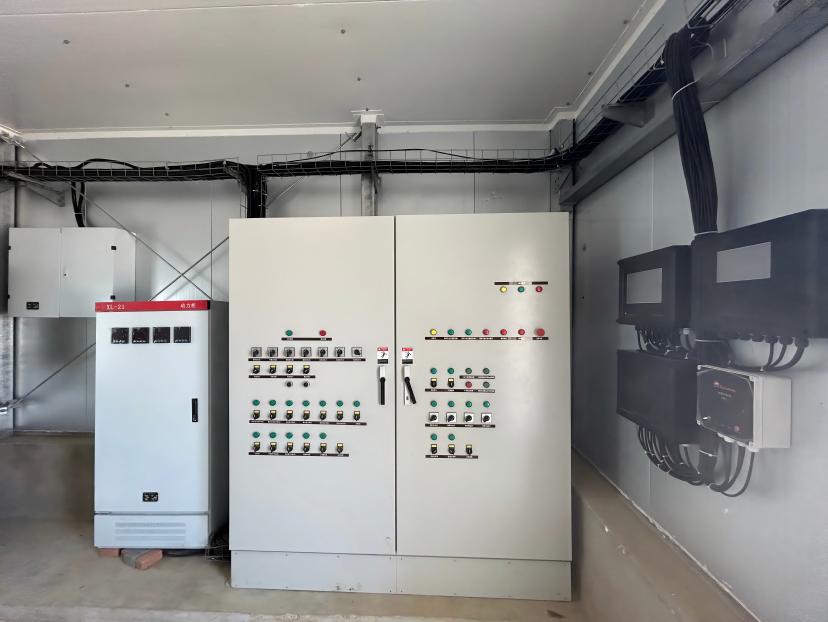
4. Conclusion: Core Direction of Modern Layer House Environmental Control
For stacked caged layer houses, airborne dust is the primary trigger for most poultry diseases. In future environmental control work, farmers do not need to monitor dozens of indicators. Focus on three core metrics: indoor humidity, airborne dust concentration and carbon dioxide level.
Once humidity, dust and carbon dioxide are kept within standard ranges, indoor temperature will stay stable naturally. To reiterate: The ultimate goal of poultry house environmental control is to manage airflow, while stable temperature is just a natural result of proper airflow regulation.
To achieve stable high yield and premium egg quality in commercial layer farming, integrate daily feeding management, scientific ventilation control and standardized disease immunization organically. Link every farming segment closely to continuously improve economic returns.
Related Guides & Projects
For more in-depth guidance, continue reading our related guide on layer farm egg production management guide.
For real-world application references, see our project case studies such as smart poultry feeding system for Malaysia farms.