Layer Farm Cost Reduction & Intelligent Ventilation Efficiency Solution
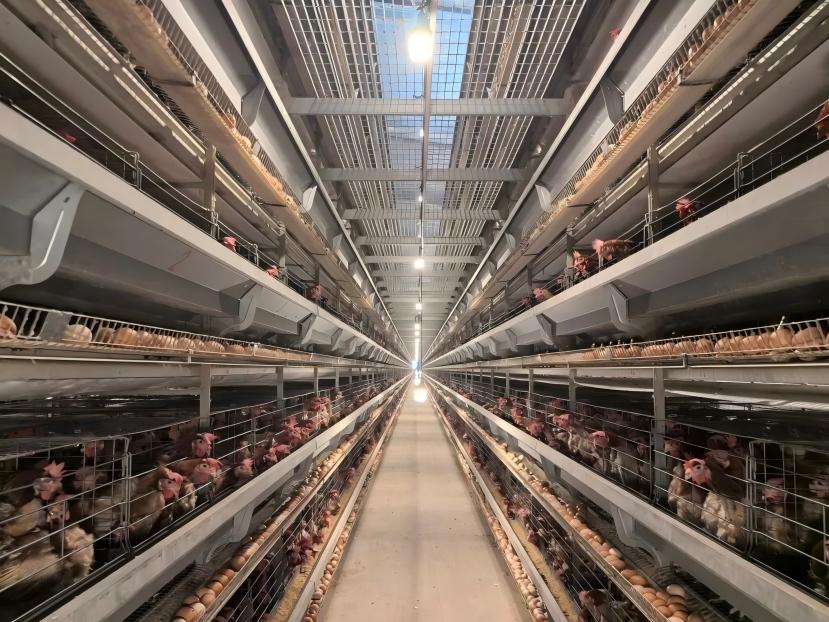
1. Precision Nutrition & Feed Expense Control (Core Cost-Cutting Module Matched With Automated Feeding Equipment)
Feed makes up 70% of all breeding outlay, so lowering feed conversion ratio (FCR) stands as the most direct profit booster. The industry average FCR sits at 2.2–2.4:1, and targeted technical upgrades can push this metric down to 2.0–2.1:1. Every kilogram of eggs produced saves 0.2–0.3kg feed, greatly trimming monthly grain purchase spending. Net energy feed formulation and low-protein balanced amino acid diets act as dual core technologies for precision nutrition, working hand in hand to shift feed design from rough basic nutrition supply to targeted precise nutrient matching.
1.1 Core Technology: Combined Net Energy System & Low-Protein Layer Diet Formulation
Traditional feed formulas rely on metabolizable energy and crude protein benchmarks, carrying obvious drawbacks. Metabolizable energy calculation ignores heat increment loss, creating large energy demand estimation errors; crude protein content only tracks total protein volume without balancing digestible amino acid ratios, leading to massive soybean meal waste. Net energy systems paired with low-protein rations perfectly resolve these pain points, serving as the primary technical path to slash feed bills for layer houses running tunnel ventilation systems with heavy-duty fiberglass exhaust fans.
(1) Full Application of Net Energy Feed Evaluation Framework
Net energy = Metabolizable energy − Heat increment, representing the real energy hens utilize for basic survival maintenance and egg-laying production. This evaluation standard delivers far more accurate nutritional matching, cuts overall feed formula costs and stabilizes flock laying performance — especially effective for layer barns facing summer heat stress where tunnel ventilation wet pad cooling runs daily.
Stage-Split Precision Feed Formulation & Dynamic Nutrition Adjustment
Break outdated rough three-stage feeding (brood, grower, laying) into seven fine-tuned growth cycles matching layer physiological development rules:
- Brooding Week 1–4 (Chick Adaptation Period)
- Brooding Week 5–8 (Fast Body Weight Gain Stage)
- Grower Week 9–15 (Bone & Reproductive Organ Development)
- Pre-Lay Week 16–17 (Transition To Egg Production)
- Early Laying Phase (Laying Rate 5%–60%)
- Peak Laying Period (Laying Rate 60%–95%)
- Late Laying Stage (Laying Rate Below 60%)
Farm managers need to record weekly flock body weight, daily feed intake and laying rate fluctuation curves, then adjust dietary net energy, crude protein, digestible lysine, methionine, calcium and phosphorus levels correspondingly. For instance, Week 5–8 brooder rations boost protein and energy concentration to guarantee standard body weight targets; late-lay diets raise calcium proportions to strengthen eggshell quality and lower broken egg rates.
Abandon single crude protein monitoring and fully adopt digestible amino acid balance technology. For peak-lay hens, cut dietary crude protein from conventional 16.5% to 15.5%, while supplementing synthetic methionine, lysine, valine and isoleucine to maintain balanced digestible amino acid proportions. Field trials on layer farms equipped with automatic feeding carts and 50-inch anti-corrosion fiberglass ventilation fans verify this method reduces soybean meal consumption by 1%–2%, trimming feed manufacturing costs by $2–3.6 per metric ton without damaging laying rate or average egg weight; many barns even record a 1%–2% rise in peak egg output.
Dynamic Net Energy Adjustment Based On Barn Environmental Ventilation Status
- Take net energy value as the core benchmark for feed ratio design, replacing old metabolizable energy standards to accurately match layer energy needs across all growth stages. Farms must build a complete raw material net energy database, then dynamically adjust dietary energy supply according to flock weight, real-time laying rate and barn temperature captured by climate sensors linked to PM inverter exhaust fan motors.
- In cold winter months with minimum ventilation running on 50 inch butterfly cone exhaust fan, slightly lift feed net energy to offset heat loss used for hen temperature maintenance. During hot summer spells with full tunnel ventilation and evaporative cooling pads, reduce ration net energy to minimize heat increment, eliminating 10%–15% energy waste caused by inaccurate energy estimation.
(2) Feed Raw Material Optimization & Local Low-Cost Ingredient Utilization
- Build Real-Time Raw Material Nutrition & Price Database
Create full nutrition profiles covering corn, soybean meal, cottonseed meal, DDGS and animal fats. Conduct monthly routine lab testing for crude protein, crude fiber, calcium and phosphorus; run quarterly near-infrared spectral scanning to track natural nutrient fluctuations of bulk feed ingredients. Assign dedicated purchasing staff to monitor daily grain market pricing, synchronize nutrition test data and market costs into linear programming software, then generate minimum-cost balanced feed formulas automatically. Medium-scale layer farms utilizing this system report average feed cost drops of $0.3–0.45 per ton monthly.
- Tap Safe, Local Unconventional Feed Resources
Under strict feed safety inspection protocols, leverage region-specific alternative raw materials to cut reliance on costly corn and soybean meal, fully compatible with automated chain feeding systems paired with negative pressure ventilation ventilation fans:
- Detoxified miscellaneous meals: Heat or enzyme-treated cottonseed meal and rapeseed meal to remove gossypol and glucosinolate anti-nutritional factors;
- Food industry byproducts: Bread crumbs, soy sauce residue and brewer’s grains with high energy or protein content and favorable cost performance;
- Insect protein additives: Black soldier fly larva powder with 50%–60% crude protein and balanced amino acid composition.
Critical operational rules: Complete full nutrition and toxin detection before adding any non-traditional raw materials, limit total addition dosage to 5%–8%, and match compound enzyme preparations (cellulase, phytase) to boost digestion efficiency, avoiding flock diarrhea and laying rate drops.
Customized Specialized Premix Formulation
Discard generic one-size-fits-all premix products that create nutrition surplus or deficiency. Cooperate with professional animal nutrition labs to tailor core premixes based on your farm’s local raw material test results. Nutrition engineers precisely calibrate vitamin, trace mineral, enzyme and probiotic addition ratios matching each layer growth phase, eliminating waste from universal premix mismatches while cutting premix procurement expenses by 5%–8%.
(3) Feed Processing Upgrades & Precision Automated Feeding Management
- Optimize Grain Grinding Granularity & Pellet Production Technology
Tweak feed mill processing parameters to raise raw material digestibility. For corn and cereal grains, target average grinding particle size of 700–900 microns — this range maximizes contact between feed particles and digestive juices without triggering respiratory irritation or reduced feed intake from overly fine powder. Heat-treat soybean protein materials via high temperature & pressure processing to deactivate trypsin inhibitors, lifting protein digestibility by 10%–15%. Large commercial layer facilities can install post-pellet liquid spraying equipment to coat thermal-sensitive additives (enzyme complexes, vitamins, vegetable oil) after high-heat pelleting, preventing active ingredient deactivation and boosting enzyme utilization efficiency by over 30%.
- Automated Feeding System Matching & Targeted Calcium Supplement Control
Replace labor-intensive manual feeding with motorized chain feeding lines or traveling trolley feeding equipment, supporting 3–4 fixed quantitative feeding cycles per day to guarantee uniform feed access for every hen and eliminate uneven body weight distribution across flocks.
Targeting laying hens’ special calcium demand, distribute large-particle calcium supplements (3–5mm limestone grit or oyster shell fragments) between 3 PM and 4 PM daily. Blood calcium levels hit their daily low during this window, maximizing calcium absorption efficiency, improving eggshell integrity and cutting broken egg volume by 5%–8%. Maintain feed trough material level at 1/3–2/3 capacity at all times: overfilled troughs trigger feed spillage and mold growth, while insufficient feed causes competitive feeding. This simple management tweak cuts overall feed waste by 2%–3%.
- Daily Digital Feed & Production Data Tracking Mechanism
Deploy farm production management software linked to environmental control panels for unified data recording. Assign farm staff to log daily barn feed consumption, total egg output, average egg weight, cracked egg count and flock mortality; compile weekly reports to calculate real-time FCR, feed intake per bird and egg yield per hen. Compare actual operational indicators against preset performance benchmarks. If FCR rises sharply by over 0.05 or laying rate drops more than 1% for three consecutive days, immediately inspect feed quality, ventilation fan operating status, barn ammonia levels and flock health to resolve hidden losses early.
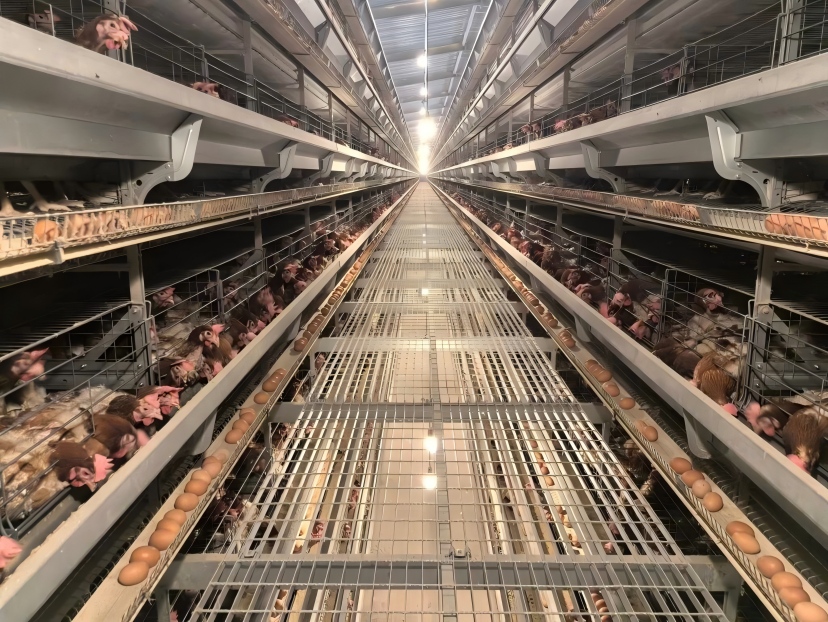
2. Premium Layer Breed Selection & Flock Production Performance Improvement
2.1 Adopt High Feed Conversion Genetic Layer Strains
Genetic breed performance forms the foundational factor determining feed efficiency and egg output. Farms should prioritize genetically stable, high-FCR commercial layer varieties including Hy-Line Brown, Lohmann LSL-Lite and ISA Brown. Top-tier strains deliver peak laying FCR as low as 1.9–2.0:1, sustain 8–10 month peak laying windows and cap annual flock mortality below 10%. Compared to outdated generic breeds, premium genetics lift annual egg production per hen by 1–2kg and reduce feed cost expenditure by $11–14 per bird. Always source day-old chicks from certified breeding farms and verify official breed performance test reports to fully unlock genetic advantages alongside optimized ventilation housing environmental control.
2.2 Precise Body Weight & Flock Uniformity Management During Brood & Grower Stages
Brooding and rearing cycles directly define laying-cycle production potential. Core management target: hit standard breed body weight (±5% tolerance) at three critical checkpoints — Week 5, Week 12 and Week 18 — while maintaining flock uniformity above 85%. Uniformity is calculated as the percentage of sampled hens with body weight within ±10% of average flock weight. Flocks hitting 85%+ uniformity reach peak laying 1–2 weeks earlier, sustain longer high-production cycles and display minimal laying rate fluctuation even with variable ventilation fan operation.
Standard implementation workflow: Conduct weekly random weighing with 2%–5% flock sampling ratio (minimum 2% for large-scale barns) using digital weighing scales, record individual hen weight data and compute average weight plus uniformity metrics. If uniformity falls below 85%, split flocks into separate housing zones: boost feed nutrition and daily ration for underweight hens (10% below average), limit feed intake for overweight birds to avoid obesity-induced laying decline. Ensure evenly distributed feed troughs and nipple drinkers across all barn zones to eliminate weight gaps caused by unequal feeding or water access.
2.3 Extend Peak Laying Period Through Stable Barn Environmental Control
Peak egg production creates the main profit margin for layer farms; scientific environmental management can extend the 90%+ laying rate cycle from traditional 6–8 months to 9–10 months, drastically boosting total annual egg output per bird. Key actionable steps paired with smart poultry climate control systems and variable speed PM exhaust fans:
- Raise high-quality pullets to hit target Week 18 body weight, uniformity and fully developed reproductive systems;
- Implement gradual light stimulation starting Week 18: increase daily light duration by 0.5–1 hour weekly until reaching stable 16-hour light cycles, avoiding sudden light changes that trigger stress;
- Stabilize indoor climate via automatic ventilation controllers linked to 50/57-inch butterfly exhaust fans, maintaining consistent temperature, humidity and ammonia concentration to eliminate environmental stress;
- Deploy dynamic precision nutrition matching real-time laying rate shifts, balancing energy, protein and digestible amino acid supply to meet egg production demands year-round.
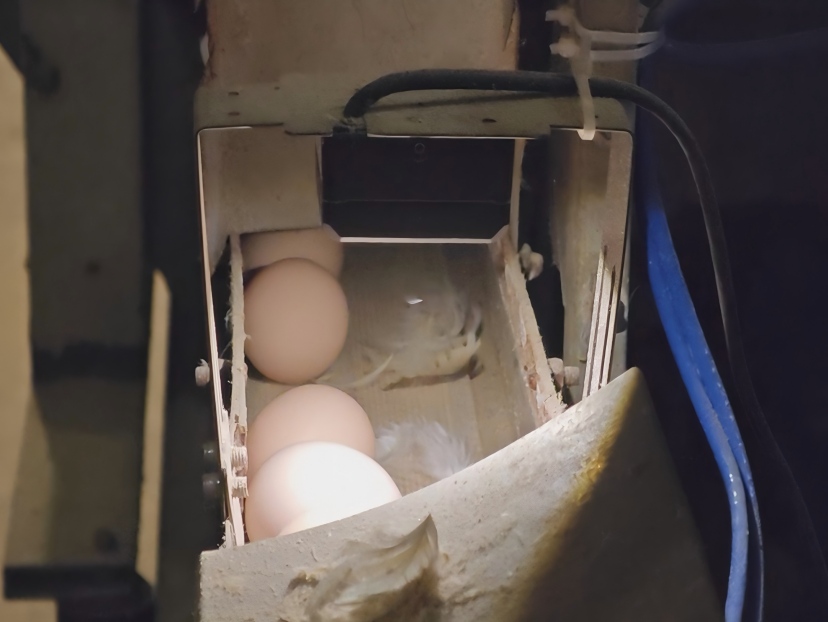
cage-level egg production monitoring system
3. Precision Poultry House Environmental Control & Ventilation Energy Saving
Unstable barn climate acts as an invisible driver of poor feed conversion efficiency.
3.1 Dynamic Temperature Regulation With Variable Speed Ventilation Fans
The optimal production temperature range for laying hens sits at 18–24°C; within this band, feed intake stays consistent, nutrient digestion rates peak and egg performance remains stable. Temperature deviation directly damages FCR and laying output: every 1°C rise above optimal range cuts daily feed intake by 1–1.5g and reduces laying rate by 0.5%–1%; each 1°C drop below baseline increases daily feed consumption by 1–1.5g, generating pure feed waste.
- Summer High-Temperature Heat Stress Solution: Tunnel Ventilation + Evaporative Cooling Pad System
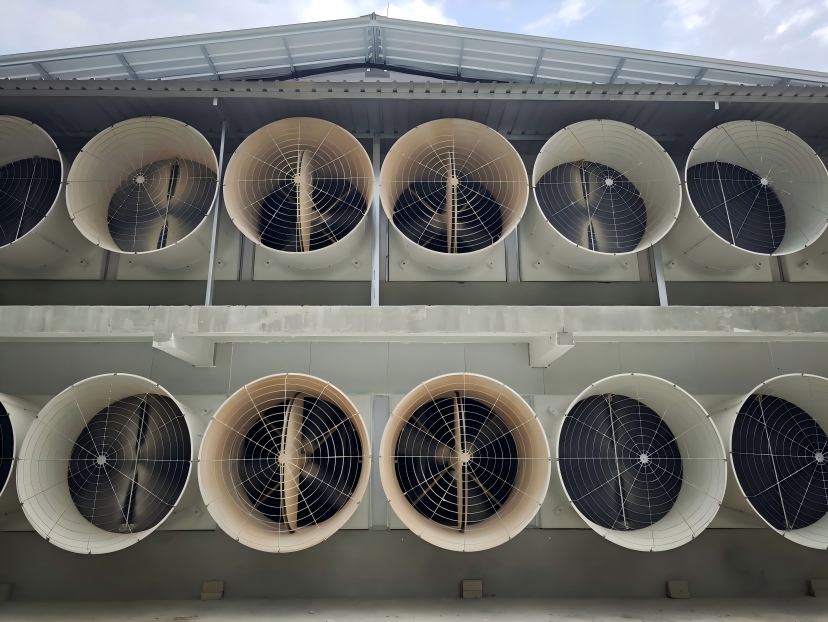
Activate wet pad cooling once barn temperature hits 28°C, paired with 50-inch medium-load butterfly exhaust fans or 57-inch heavy-duty high-airflow cone fans to build complete negative pressure ventilation tunnel airflow. This integrated ventilation solution keeps indoor temperature under 28°C during hot seasons, eliminating heat stress-related egg yield drops and feed intake spikes. Our PM variable frequency fan motors support 0–10V analog signal stepless speed adjustment, automatically lowering fan rotation speed during mild midday hours to cut power draw.
- Winter Low-Temperature Minimum Ventilation Strategy
Run minimum ventilation logic via intelligent climate controllers to adjust fan operation frequency according to flock age and real-time ammonia sensor readings. Maintain indoor ammonia concentration under 20ppm while minimizing heat loss, slashing heating equipment running costs in cold months. The fully sealed aluminum butterfly shutter assemblies on our ventilation fans block cold outdoor reverse airflow when units shut down, preventing indoor temperature loss and reducing extra heating fuel expenditure.
LN-9900 intelligent environmental controller
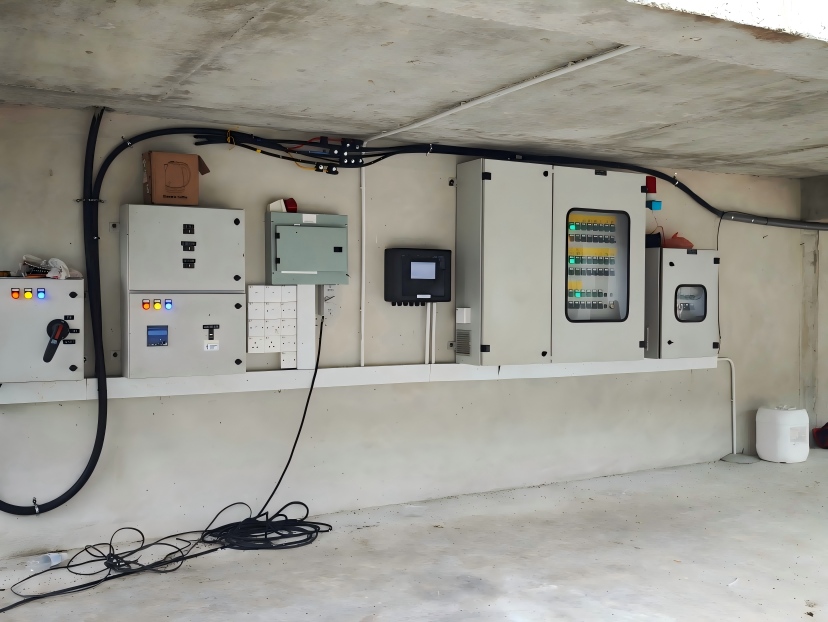
3.2 Scientific LED Lighting Management Controlled By Smart Climate Panels
A fixed 16-hour lighting cycle serves as the core lighting strategy to sustain stable high laying rates. The core lighting management principle is consistent, evenly distributed light intensity across all cage tiers. Install automatic timing relays integrated with poultry environmental controllers to eliminate random light duration fluctuations. Maintain barn light intensity at 10–20 lux (3–4W per square meter); measure illumination at front, middle and rear barn zones with lux meters to guarantee uniform light coverage.
Replace outdated incandescent and fluorescent lamps with energy-saving LED poultry lights. LED fixtures feature stable spectral output, cut power consumption by over 60% compared to incandescent alternatives, and their blue light spectrum supports hen reproductive physiology — verified to lift overall laying rate by 1%–2% when matched with properly sized negative pressure ventilation ventilation fans.
3.3 Standardized Nipple Waterline Management For Stable Feed Conversion
Water acts as the core carrier for layer digestion and metabolic regulation; water supply quality and delivery directly impact feed intake and egg output. Laying hens consume roughly twice their daily feed intake in drinking water; a 12-hour water shortage triggers a 10%–15% laying rate drop with slow recovery cycles. Farms must enforce three core water management rules compatible with automated climate-controlled layer houses equipped with fiberglass exhaust ventilation systems:
- Weekly waterline flushing, monthly disinfection with peroxyacetic acid to eliminate bacterial biofilm buildup inside drinking pipelines;
- Stabilize nipple drinker outlet water flow at 20–25ml per minute via pressure regulators, ensuring easy hen access while avoiding excess water waste and barn floor moisture buildup;
- Regular water quality lab testing: zero detectable E. coli, nitrate content below 45mg/L, pH value maintained between 6.5–8.0 to prevent intestinal health issues that degrade feed utilization.
4. Biosecurity & Flock Health Management To Cut Mortality & Production Loss
Flock disease outbreaks represent the single largest source of hidden farm operational costs. Integrated biosecurity protocols paired with stable ventilation air quality control from anti-corrosion exhaust fan systems lower disease pressure and annual mortality rates drastically.
4.1 Full-Loop Layer Farm Biosecurity System Construction
Build all-round, full-process disease prevention protocols to block pathogen transmission channels, working alongside tunnel ventilation air inlet filters to reduce dust and wild pathogen entry:
- Personnel access control: Mandatory full disinfection workflow — change farm uniform, shower, chemical sanitization and isolated waiting period before entering breeding zones; dedicated work clothes and boots for separate barn areas with regular high-temperature disinfection cycles;
- Vehicle traffic management: Forbid external delivery trucks from entering core breeding zones; segregate internal farm vehicles by barn function, all vehicles pass through disinfection pools with regularly replaced effective sanitizer solutions;
- Material disinfection rules: All incoming supplies including feed bags, vaccine packaging and maintenance hardware receive UV or spray disinfection before barn entry;
- Physical zoning separation: Strictly divide clean walkways (feed transport, staff movement) and dirty passageways (manure removal, dead hen disposal) to eliminate cross-contamination risks;
- Rodent & wild bird control: Install permanent bird-proof netting on ventilation air inlets, deploy regular rodent bait stations to stop disease vector transmission via wild animals.
4.2 Targeted Core Disease Vaccination & Routine Antibody Monitoring
Focus prevention on four high-risk disease categories currently plaguing commercial layer facilities, all worsened by poor ventilation and excess ammonia buildup from underperforming exhaust fans:
- Highly pathogenic viral diseases: H5/H7 avian influenza, Newcastle disease — fast-spreading viruses causing massive flock mortality, requiring strict scheduled vaccination programs;
- Respiratory viral pathogens: Infectious bronchitis, infectious laryngotracheitis — trigger sharp laying rate declines and poor eggshell quality;
- Reproductive system disorders: Egg drop syndrome, leading to sudden massive production slumps in peak-lay flocks;
- Bacterial infectious diseases: Mycoplasma synoviae, infectious coryza — slow flock growth and raise monthly mortality percentages.
Implement biweekly antibody testing cycles with 2% flock serum sampling to assess vaccine protection efficiency. If antibody titers drop below protective thresholds (Newcastle disease log2 ≥7 benchmark), arrange supplementary vaccination immediately to block wild virus infection pressure. Climate control systems linked to ammonia and CO₂ sensors automatically boost ventilation fan runtime when toxic gas levels rise, lowering respiratory disease incidence long-term.
4.3 Effective Mortality Reduction Strategies
Every 1% rise in flock mortality increases fixed production cost allocation per surviving hen and erases future egg revenue streams. Balanced precision nutrition, stable intelligent ventilation climate control and regular flock inspection can cap monthly laying-cycle mortality at 0.8%–1.2% (10%–15% annual total mortality). Core execution steps:
- Maintain fully balanced rations to prevent low-nutrition induced weak hen physical condition;
- Eliminate temperature, humidity and ammonia environmental stress via PM variable speed exhaust fan automatic regulation;
- Weekly full-barn flock patrols to cull lethargic, low-feed-intake and physically disabled hens promptly, cutting within-flock disease transmission risks;
- Preventative daily care for common intestinal and respiratory illnesses to reduce disease-triggered hen deaths.
57-inch high-capacity ventilation fan
5. Digital Precision Farming & Intelligent Ventilation Equipment Deployment
Paper logbooks and manual Excel data tracking fail to deliver real-time farm operation insight; deploying integrated poultry house smart hardware including multi-channel environmental controllers, automatic weighing systems, egg grading sorting machines and variable speed ventilation fan assemblies enables full digital data management and data-driven decision making.
5.1 Deploy Professional Layer Farm Digital Production Management Software
Replace manual record-keeping with cloud-based poultry production data platforms featuring three core functional modules fully compatible with LN9900 ventilation fan control communication ports:
- Multi-dimensional data entry module: One-click input of daily flock inventory, mortality, feed consumption, egg volume, broken egg count plus real-time barn temperature, humidity and ammonia sensor readings synced from climate controllers;
- Automatic cost accounting module: Aggregate feed, vaccine, veterinary medicine and labor expenses to calculate precise egg production cost per kilogram without manual spreadsheet calculation;
- Historical data query dashboard: Daily, weekly and monthly trend analysis reports to benchmark current performance against past farm data and industry efficiency standards.
5.2 Real-Time KPI Monitoring With Automatic System Alerts
Build a core performance indicator dashboard within farm management software to track live FCR, laying rate, egg yield per hen and individual feed consumption metrics. Customize threshold warning triggers: the system sends instant alerts if laying rate drops over 1% for three consecutive days or FCR climbs above preset limits, reminding farm managers to inspect ventilation fan operation, feed quality or flock health without delay. Monthly auto-generated operational analysis reports summarize cost control performance and production efficiency gaps, providing clear data support for feed formula and ventilation schedule adjustments.
5.3 High-Efficiency Intelligent Poultry Equipment Matching Our Ventilation Product Line
1.Automatic Flock Weight Monitoring System
Replace error-prone manual weekly weighing with digital intelligent weighing equipment. The system auto-captures, records and stores individual hen weight data, generating real-time flock average weight and uniformity curves with 50% faster sampling efficiency and zero human reading bias. The platform triggers early warnings when body weight deviates from breed standards, guiding precision feed ration adjustments alongside variable speed PM exhaust fan ventilation scheduling.
2.Automated Egg Grading & Counting Machine
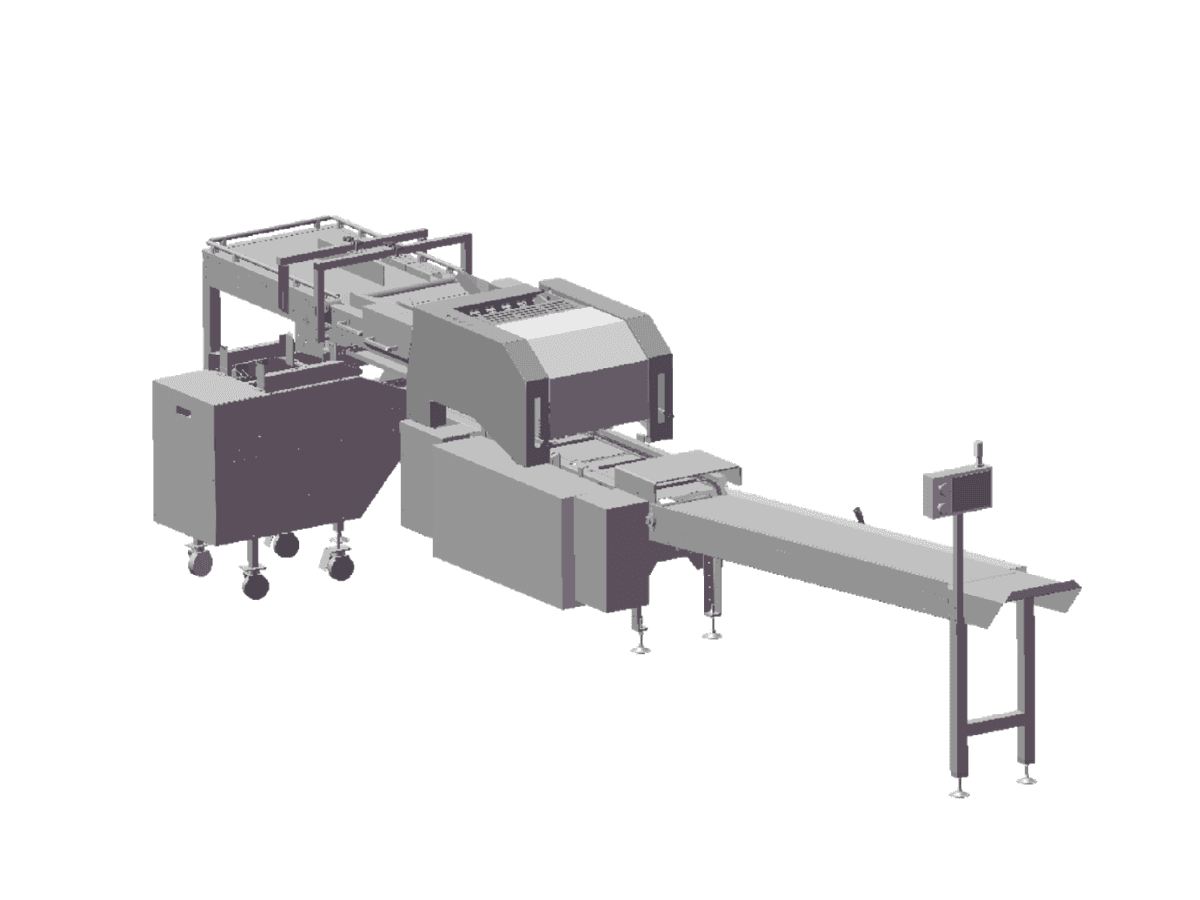
Achieve fully automatic egg sorting, counting and weight classification for large, medium and small egg sizes, eliminating slow manual grading labor and data recording errors. Machine output data syncs directly to farm production management software, supporting targeted sales pricing strategies based on large egg volume ratios to maximize egg product added value.
3.Multi-Zone Intelligent Poultry House Climate Controller
The flagship matching control hardware for our 50-inch medium barn and 57-inch large-scale farm butterfly cone ventilation fans. This integrated controller collects real-time indoor/outdoor temperature, humidity and ammonia concentration sensor data, then automatically adjusts fan rotation speed, wet pad water pump operation, heater startup and side air inlet opening angles according to flock age and preset environmental standards. Compared to manual daily ventilation adjustments, this smart panel delivers ultra-fast response and ultra-precise climate stabilization, eliminating egg production losses from frequent environmental fluctuations while cutting daily ventilation system power consumption significantly.
Related Guides & Projects
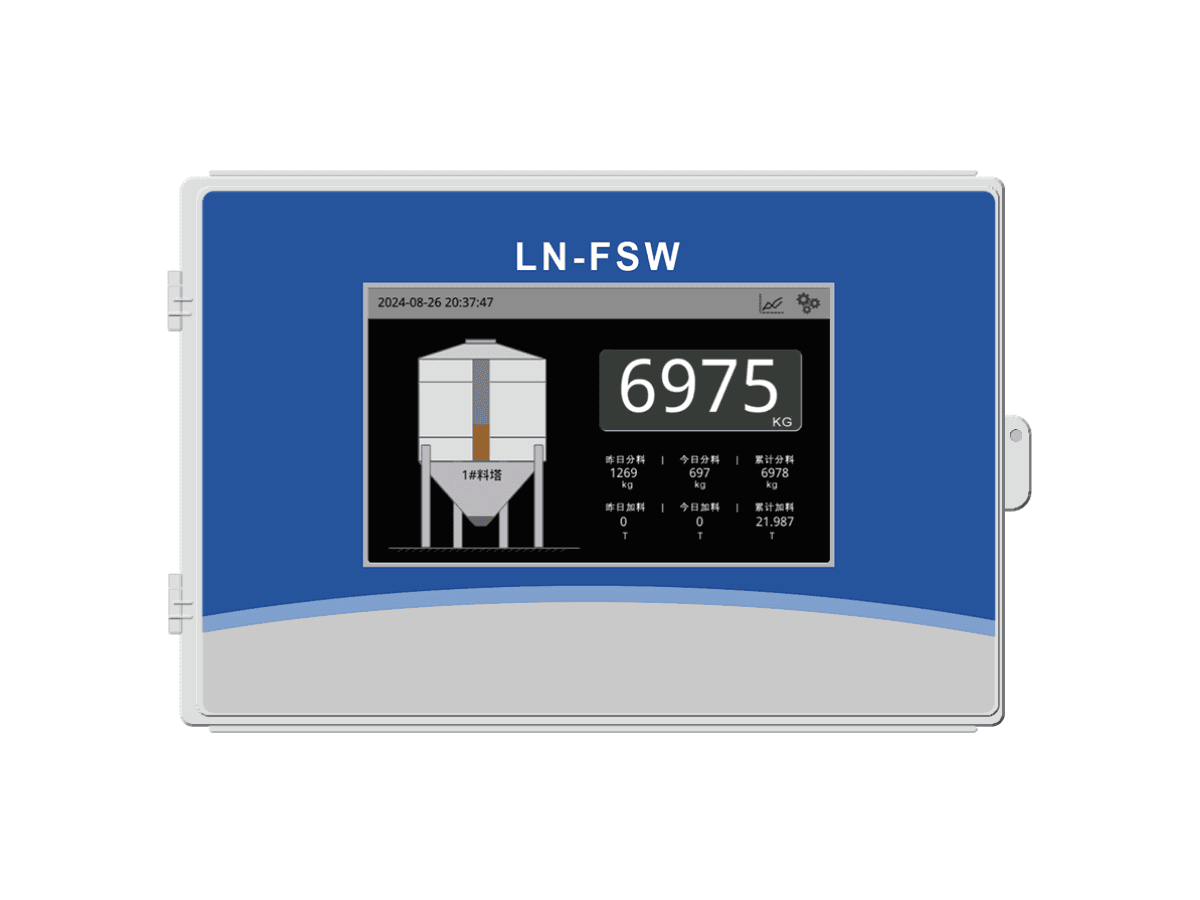
For more on the equipment that supports layer farm cost reduction, explore our LN-FSW feed silo weighing system and LN-FC06 layer bird weight monitoring system.
For real-world application references, see our project case studies such as Malaysia smart poultry feeding system case.